Convert raster images into

Drag and drop your files here!
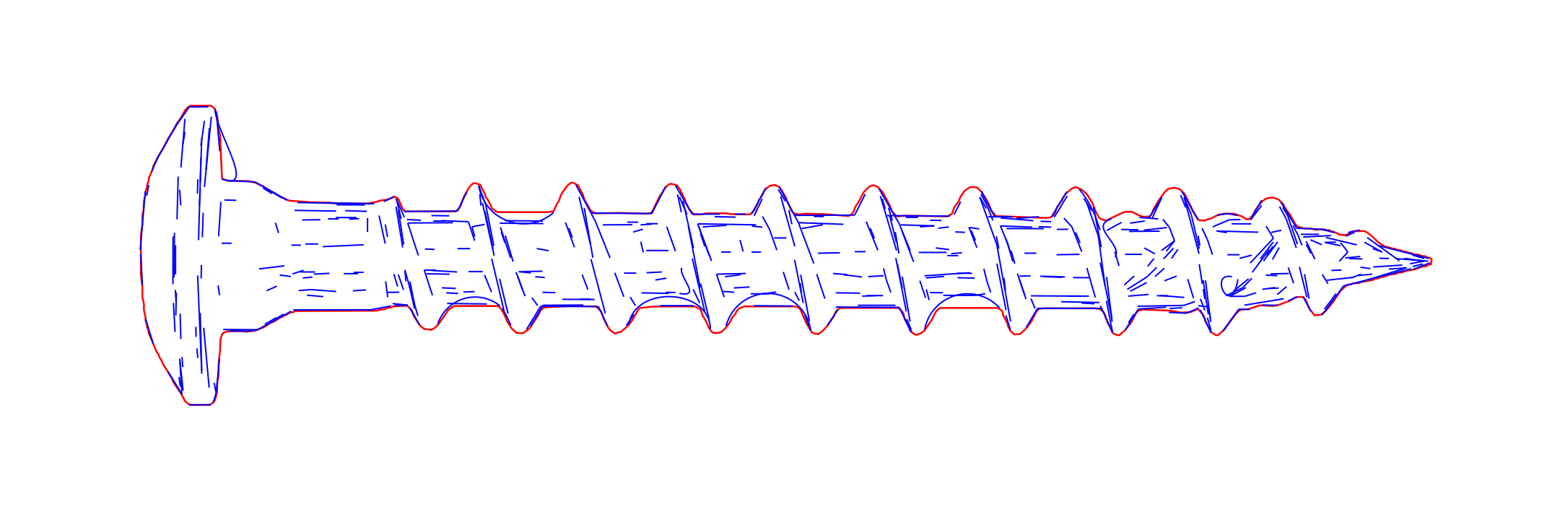
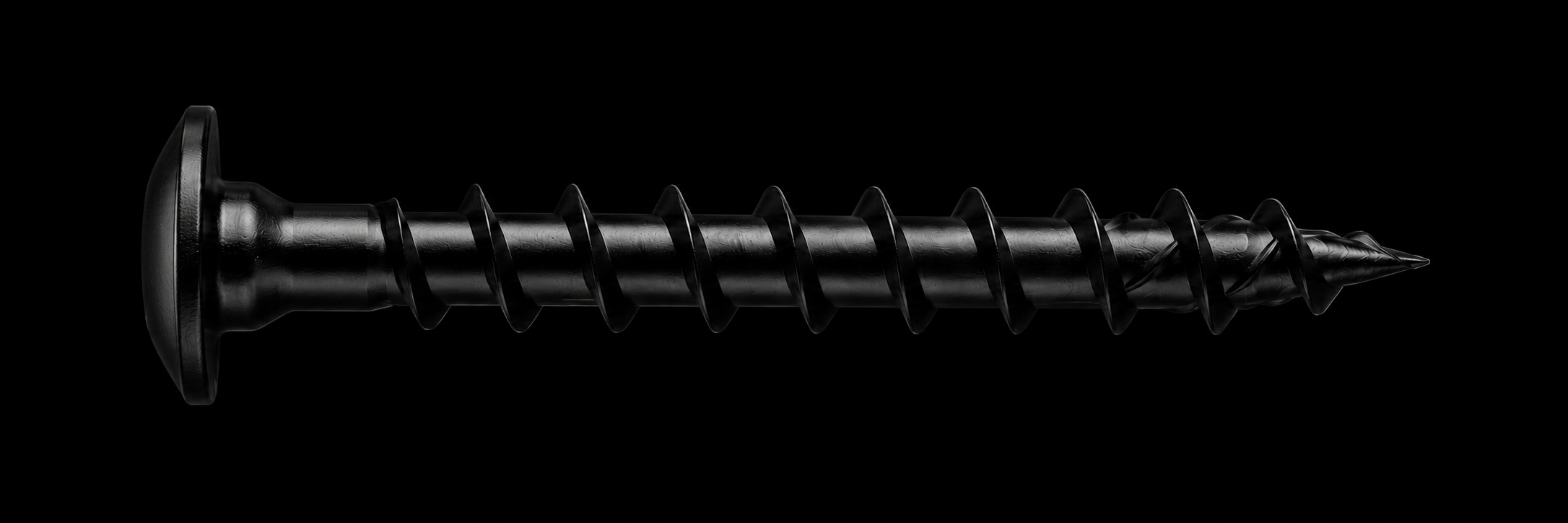
Raster to Line Graphic Vectorization
Clean line-based vector output for professional design and fabrication workflows
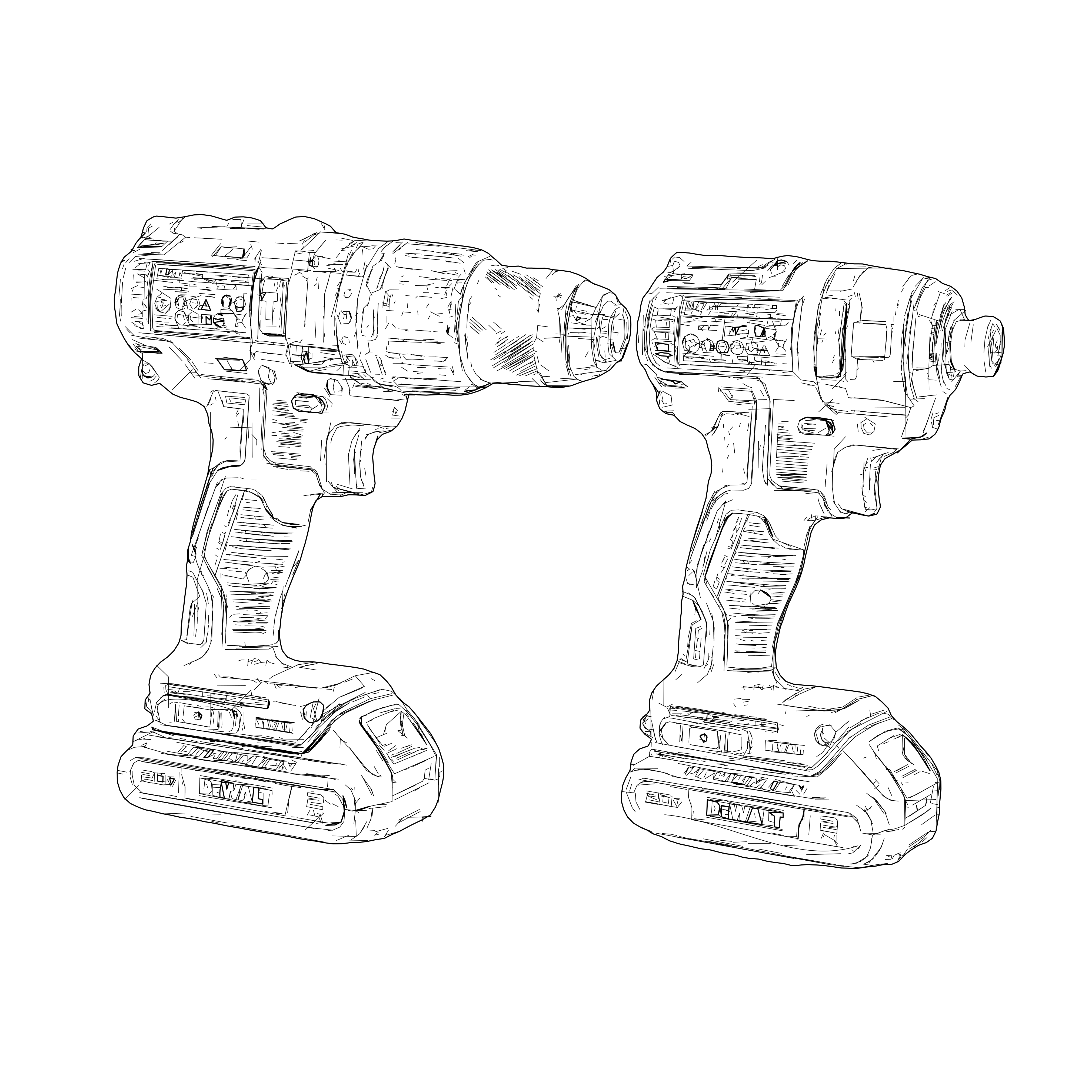
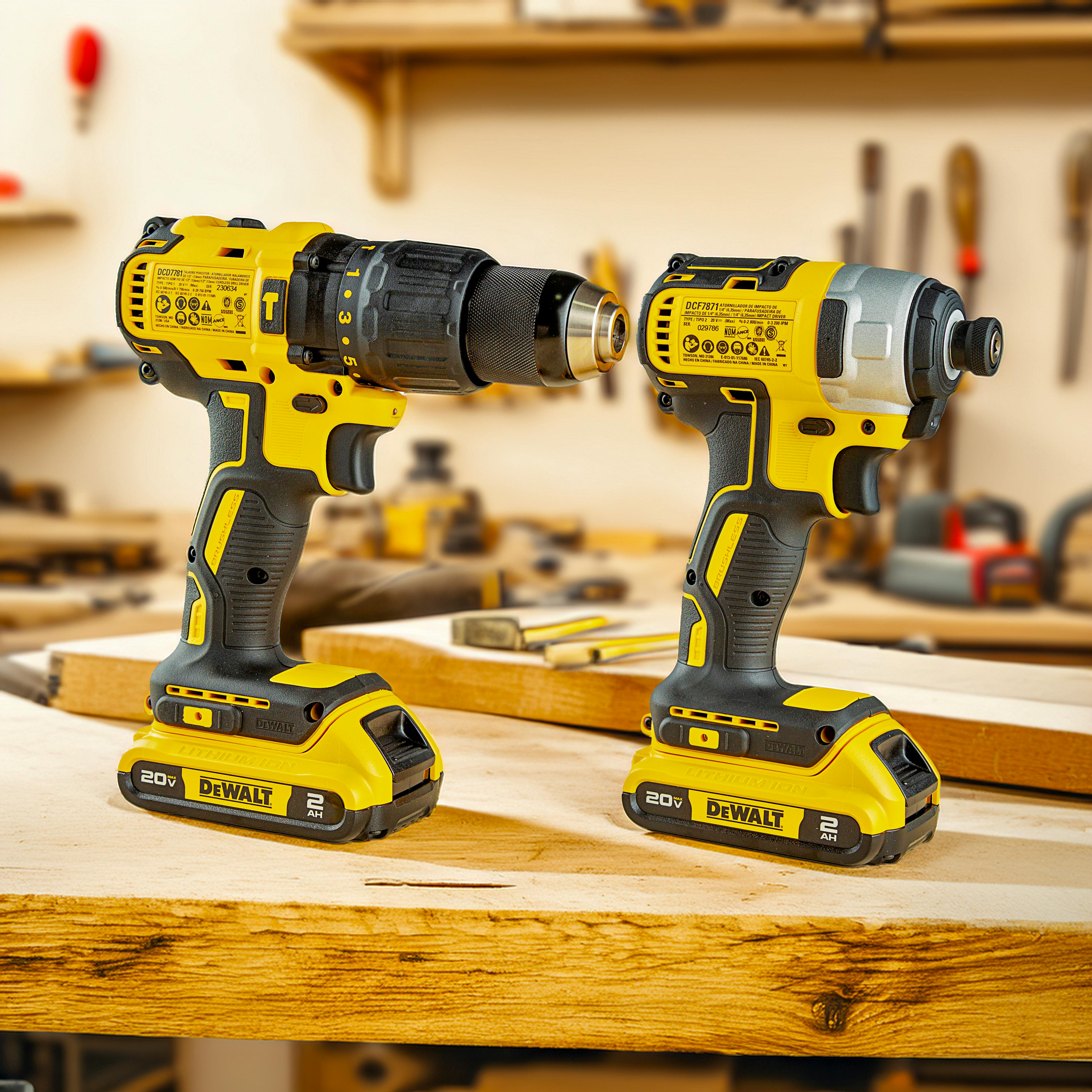
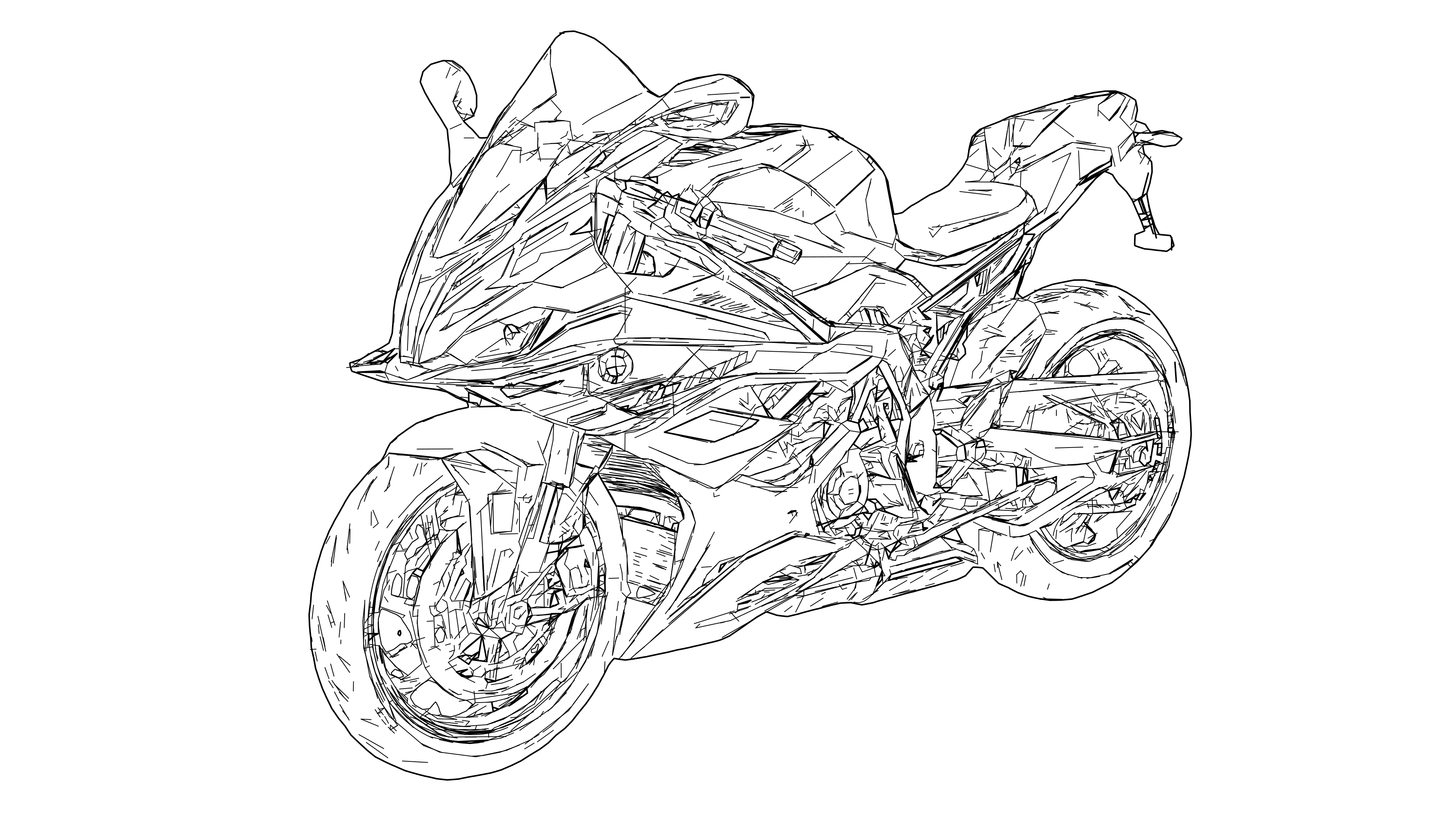
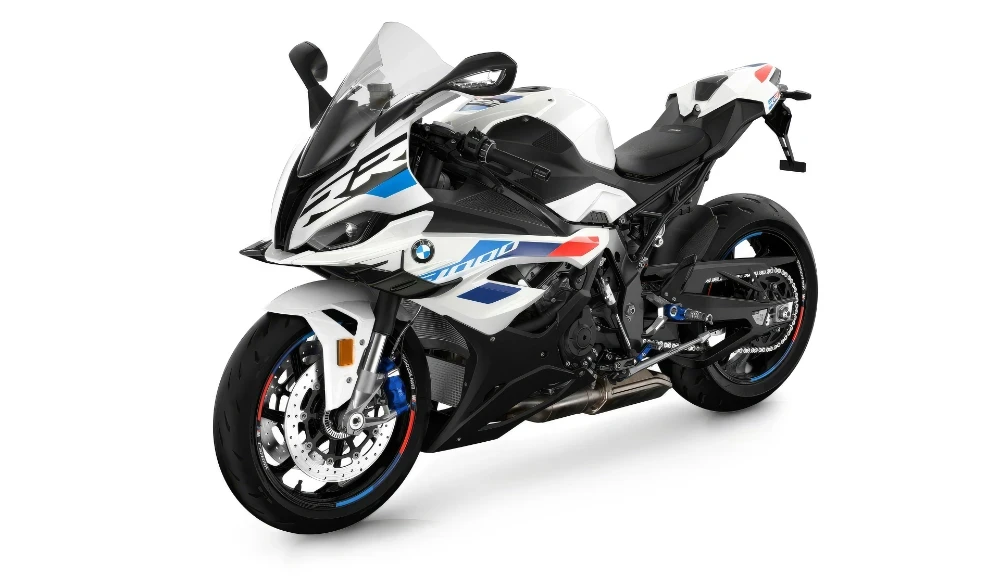
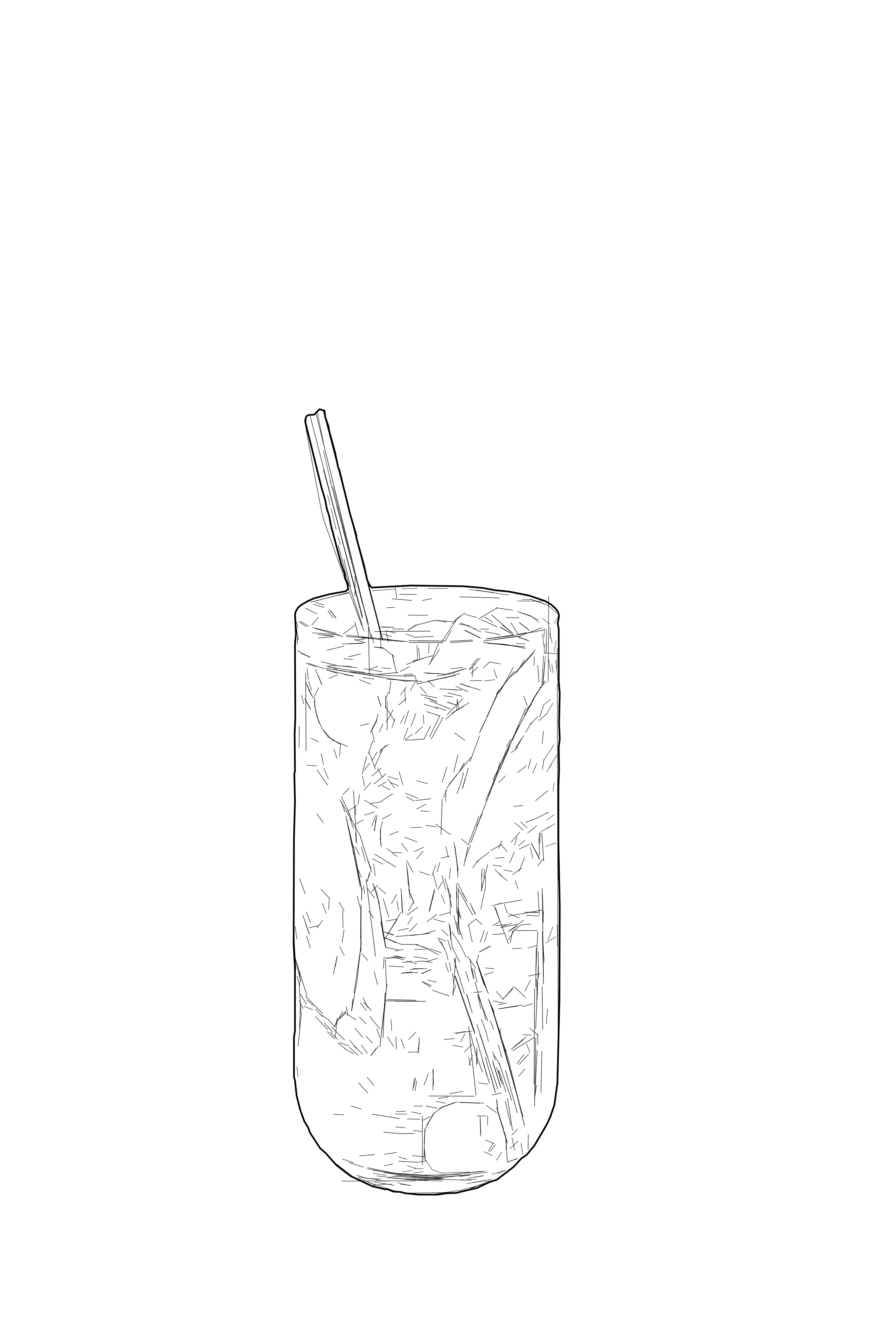
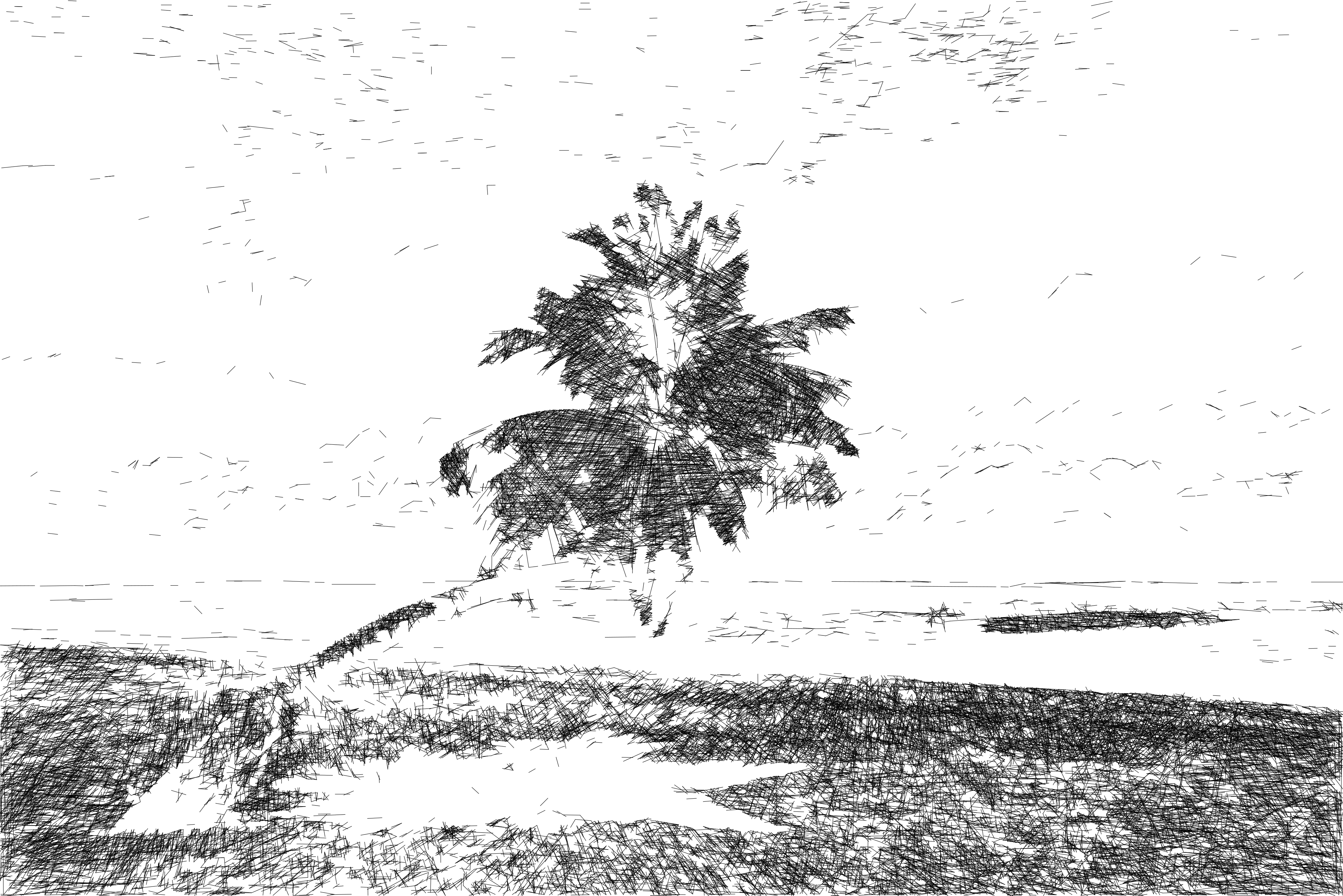
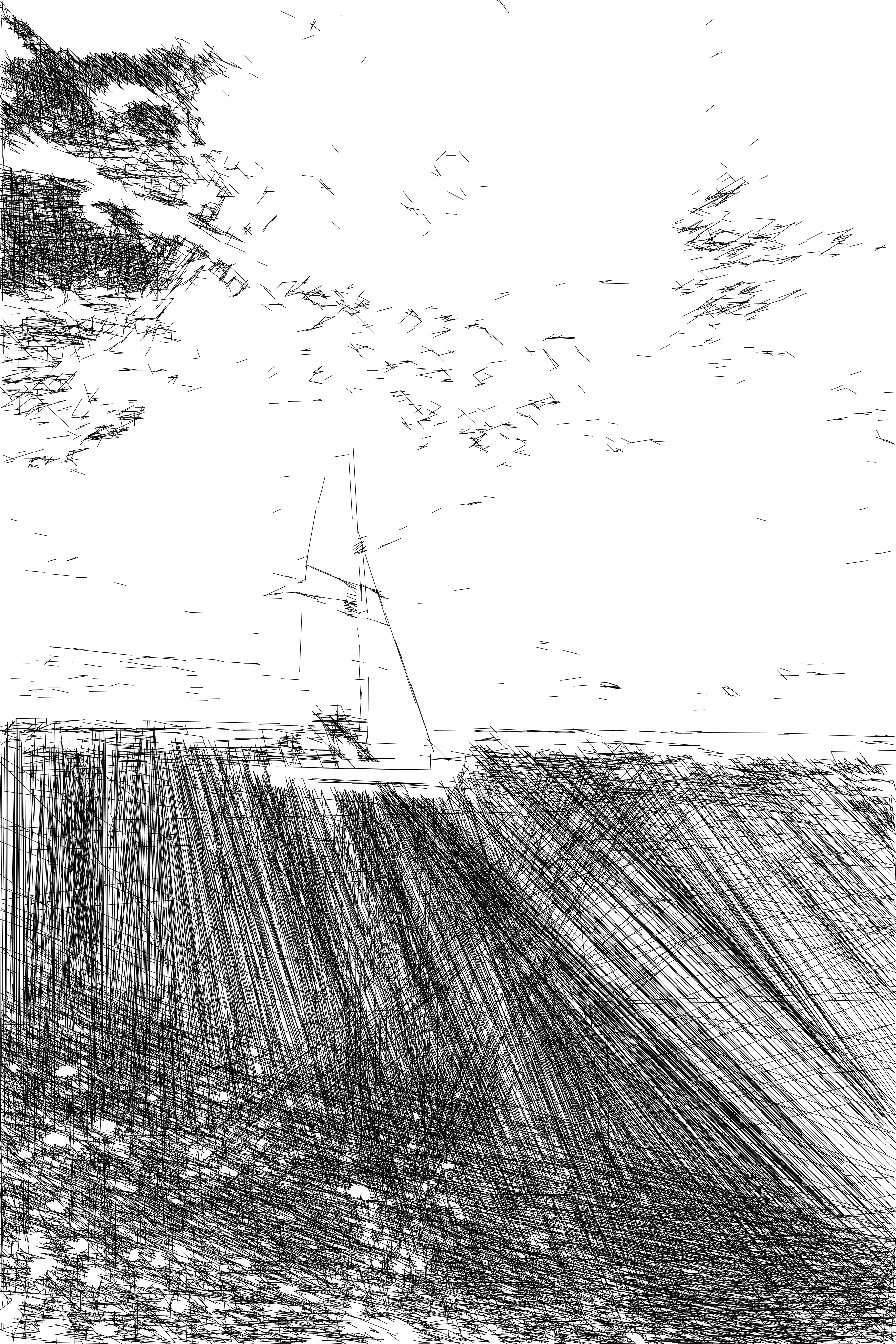
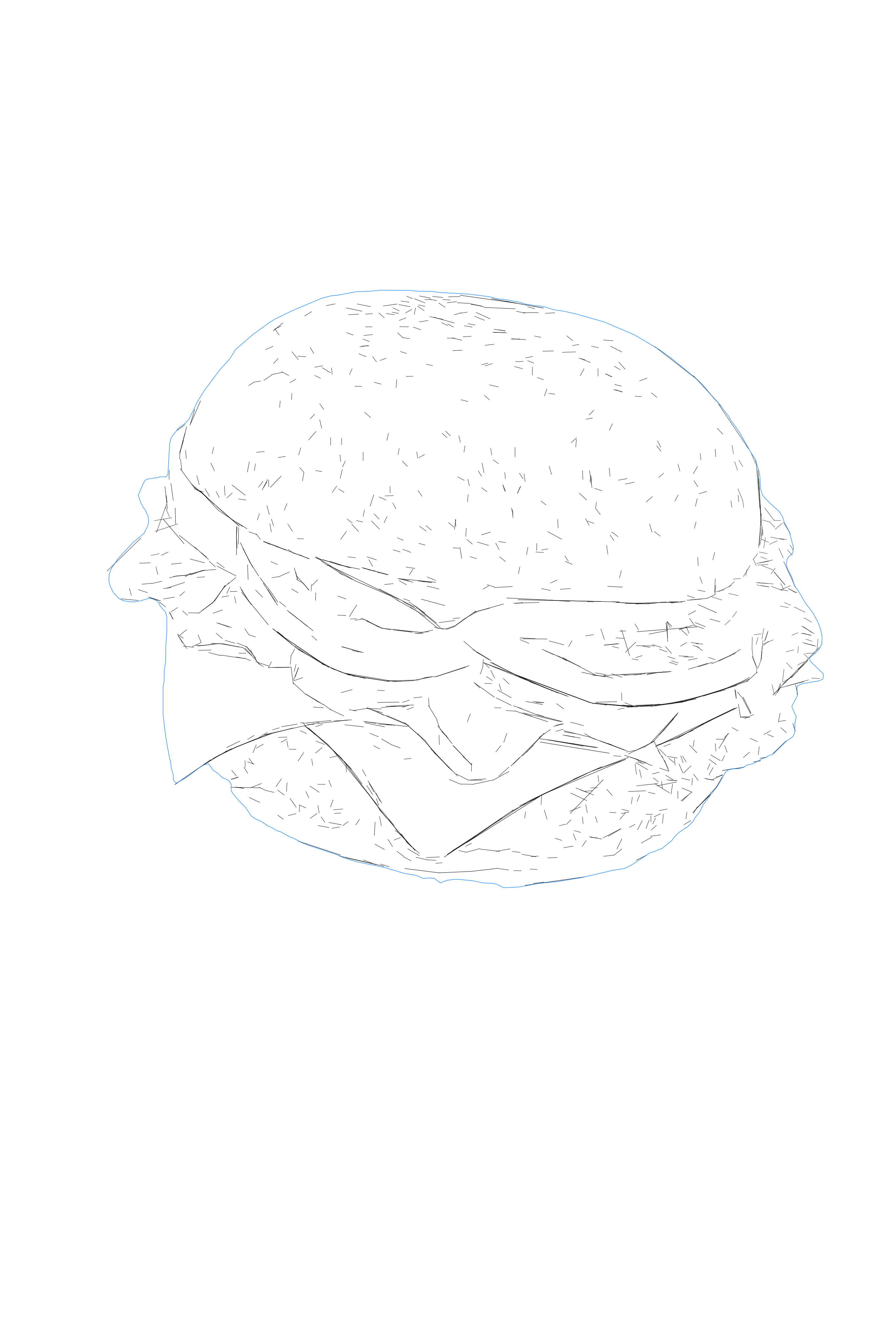
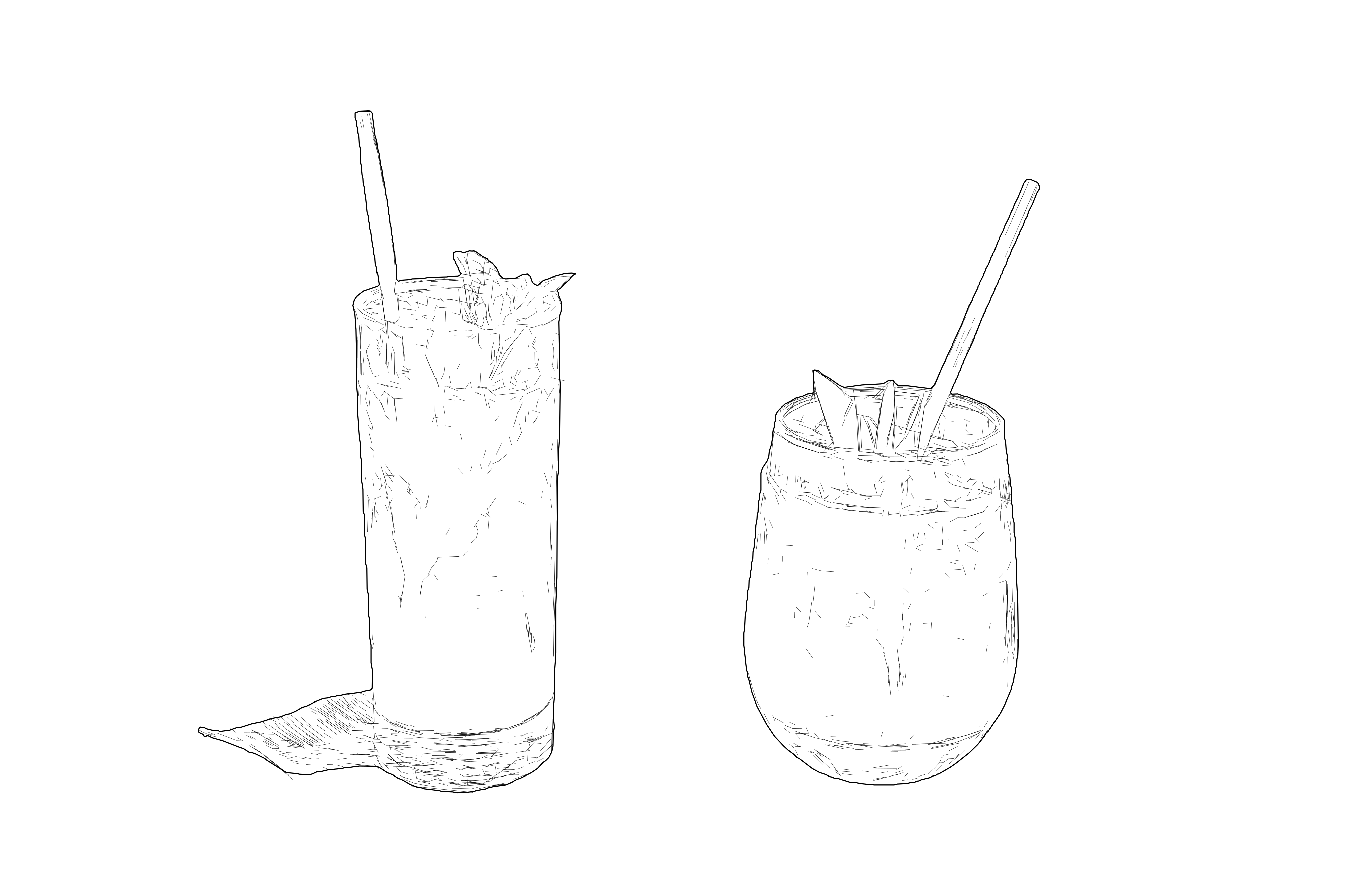
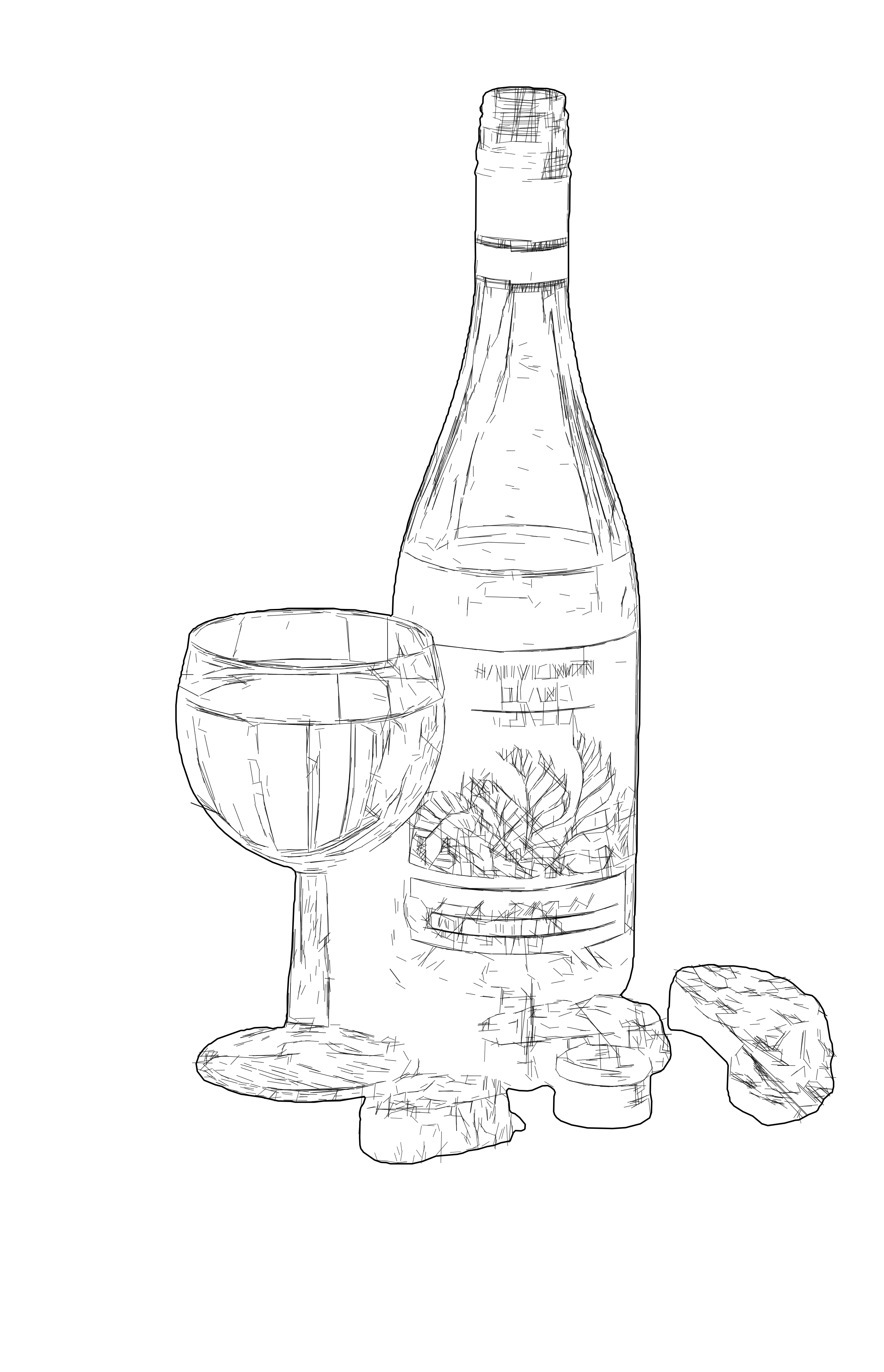
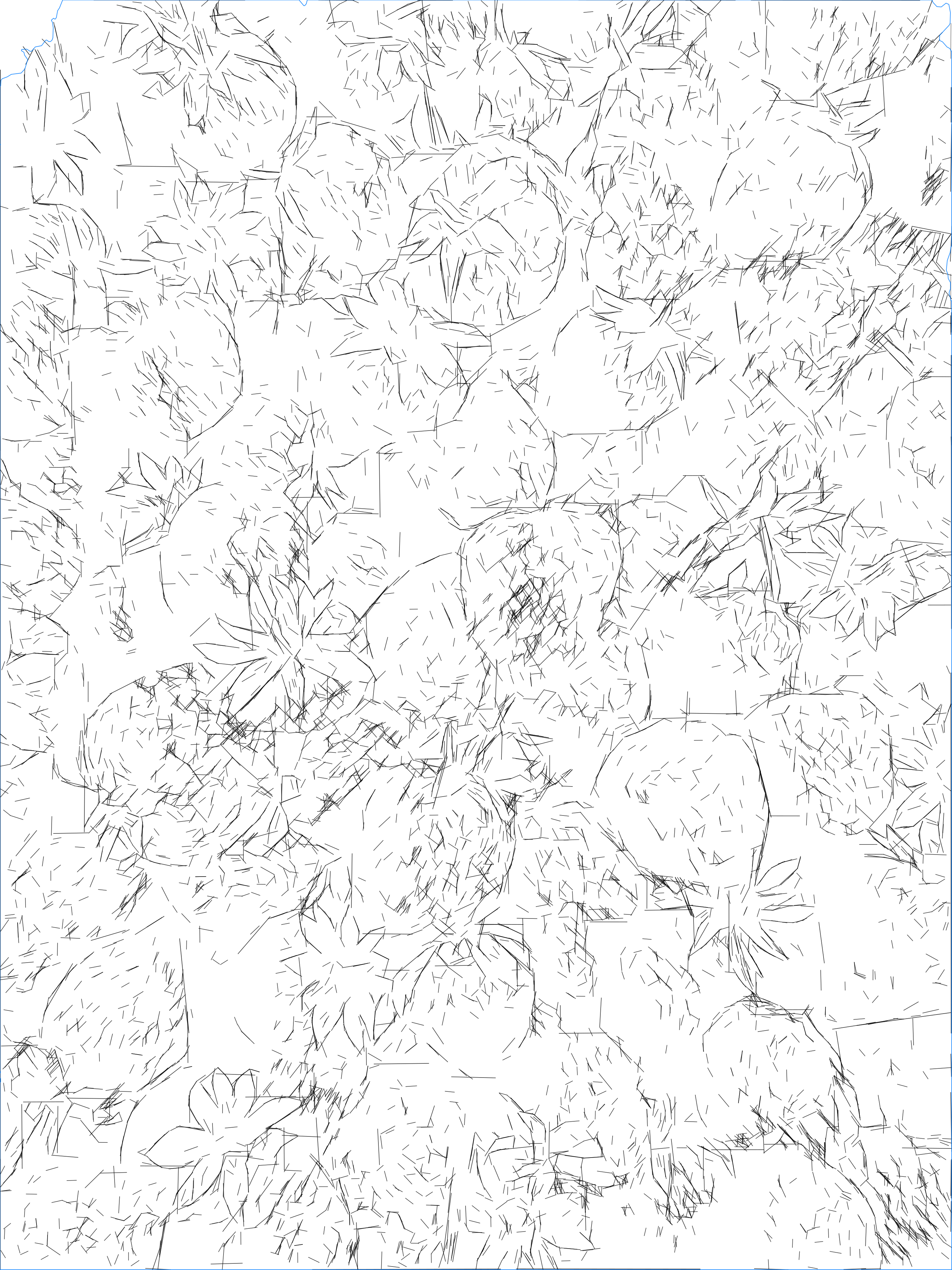
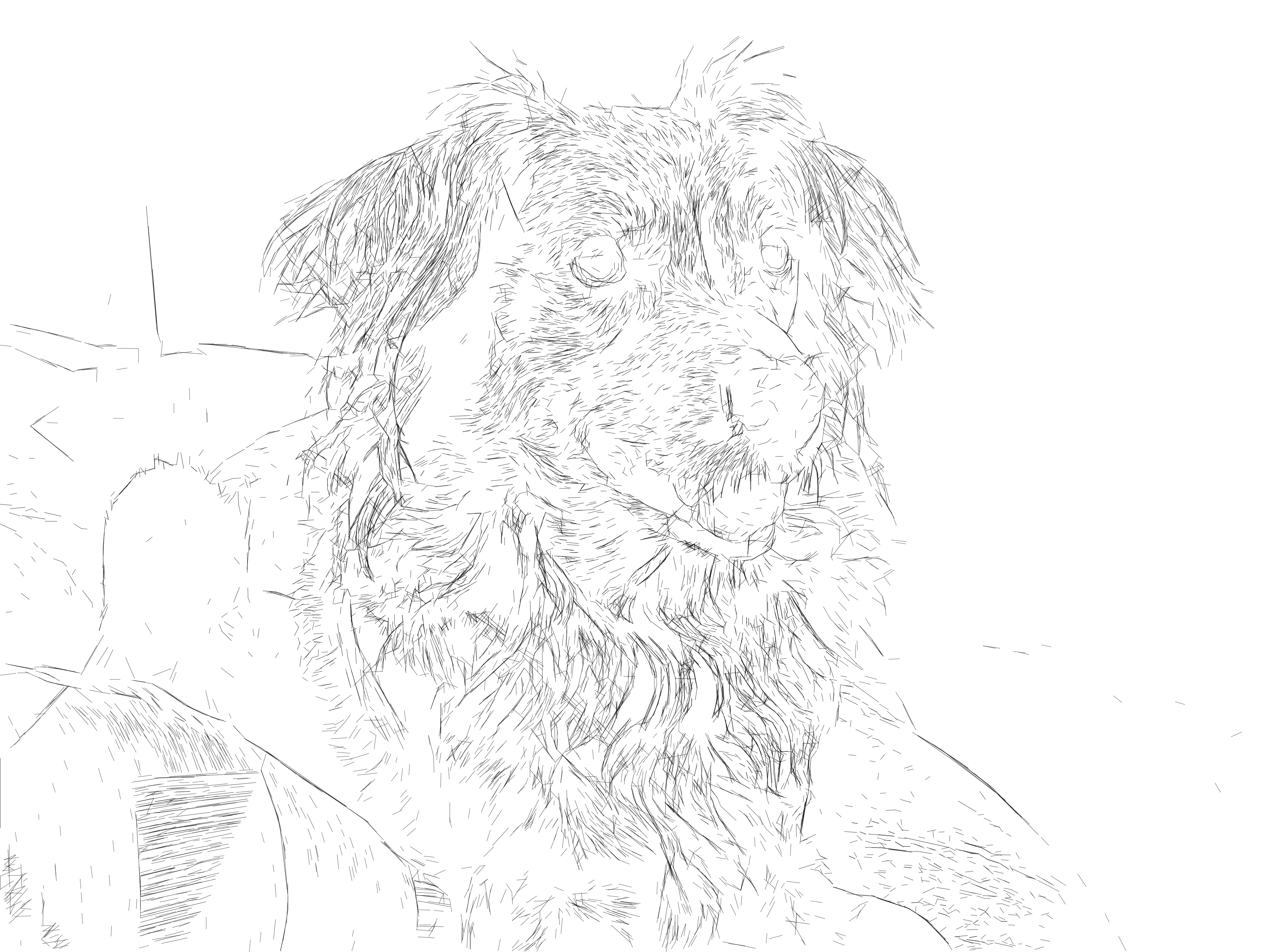
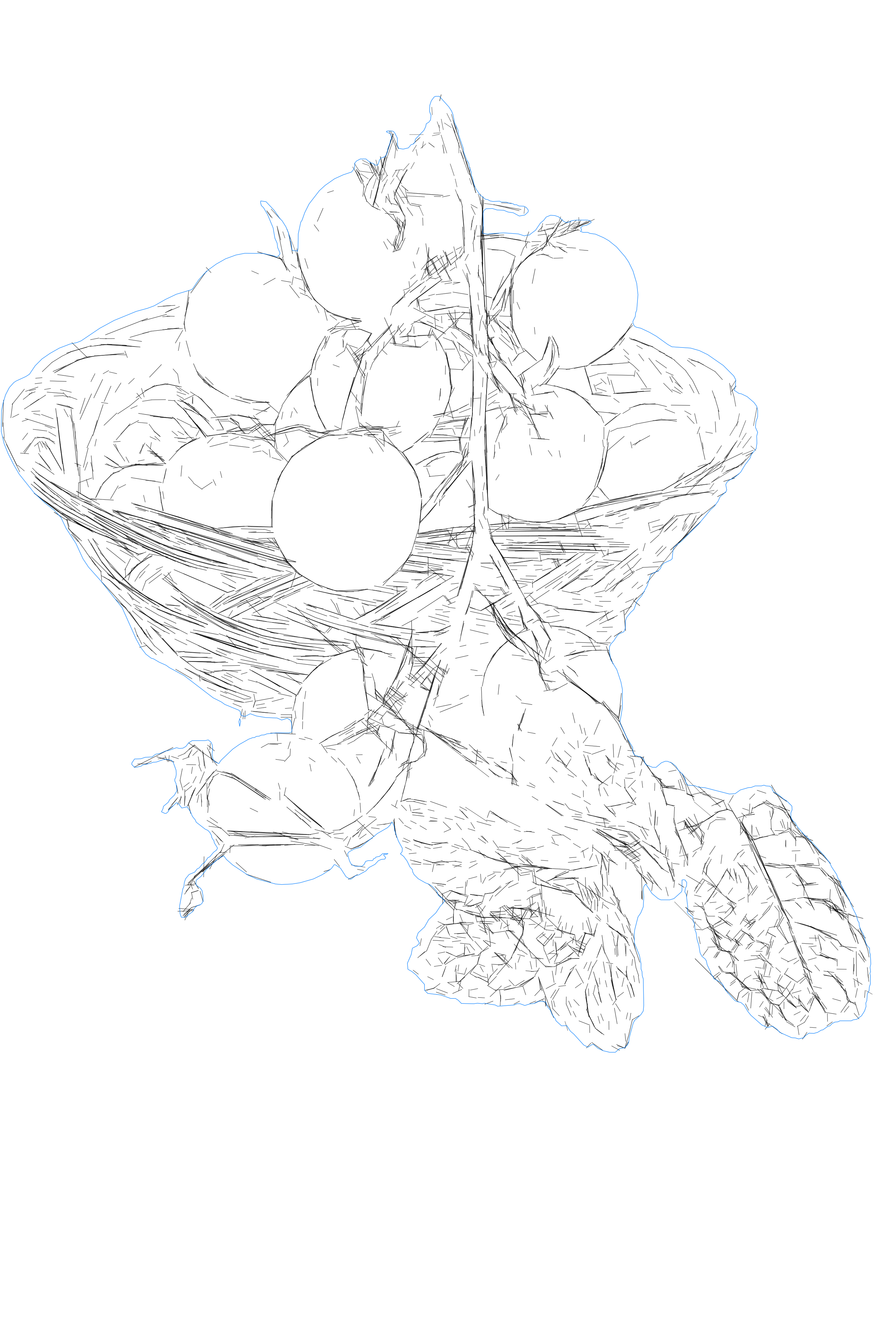
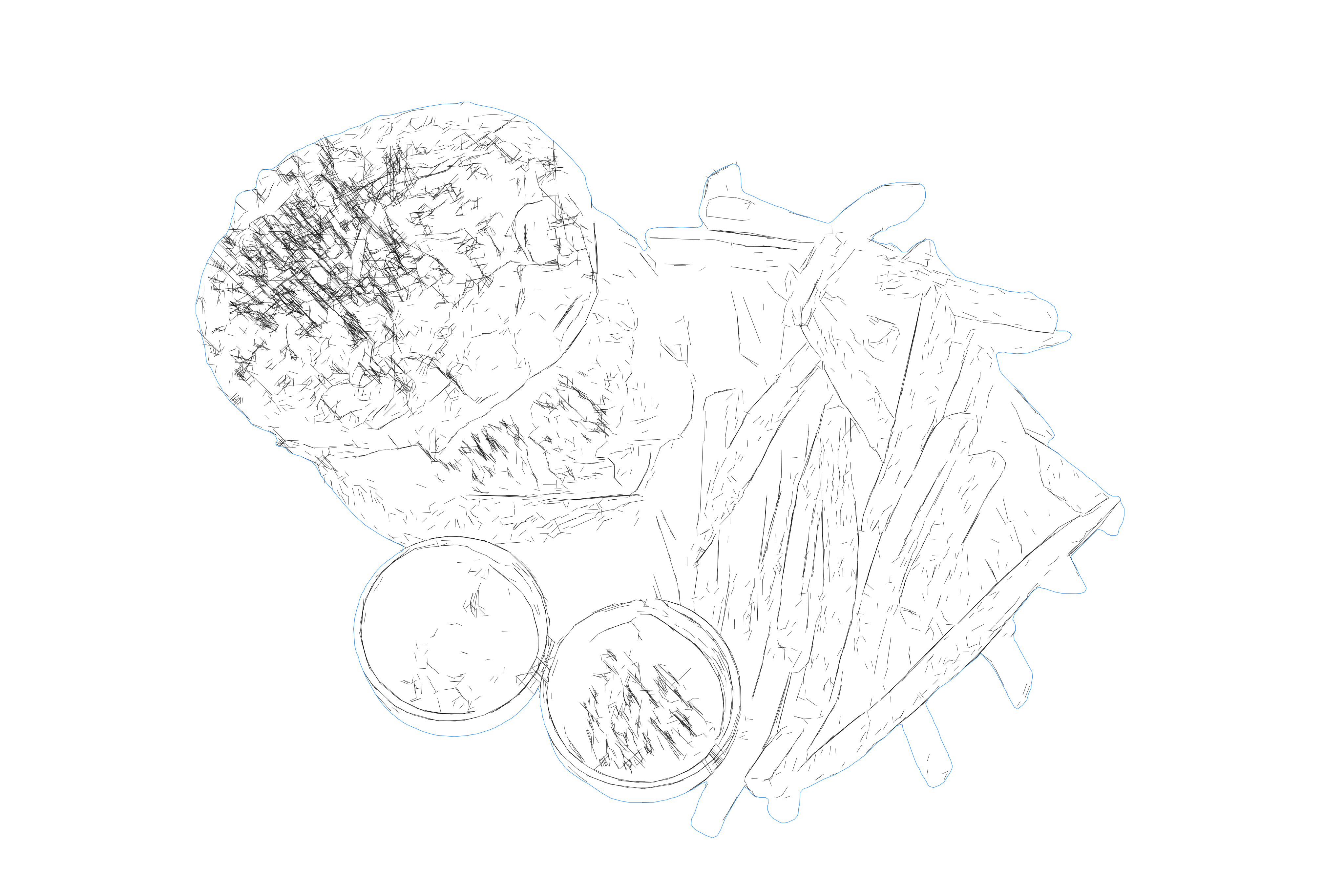
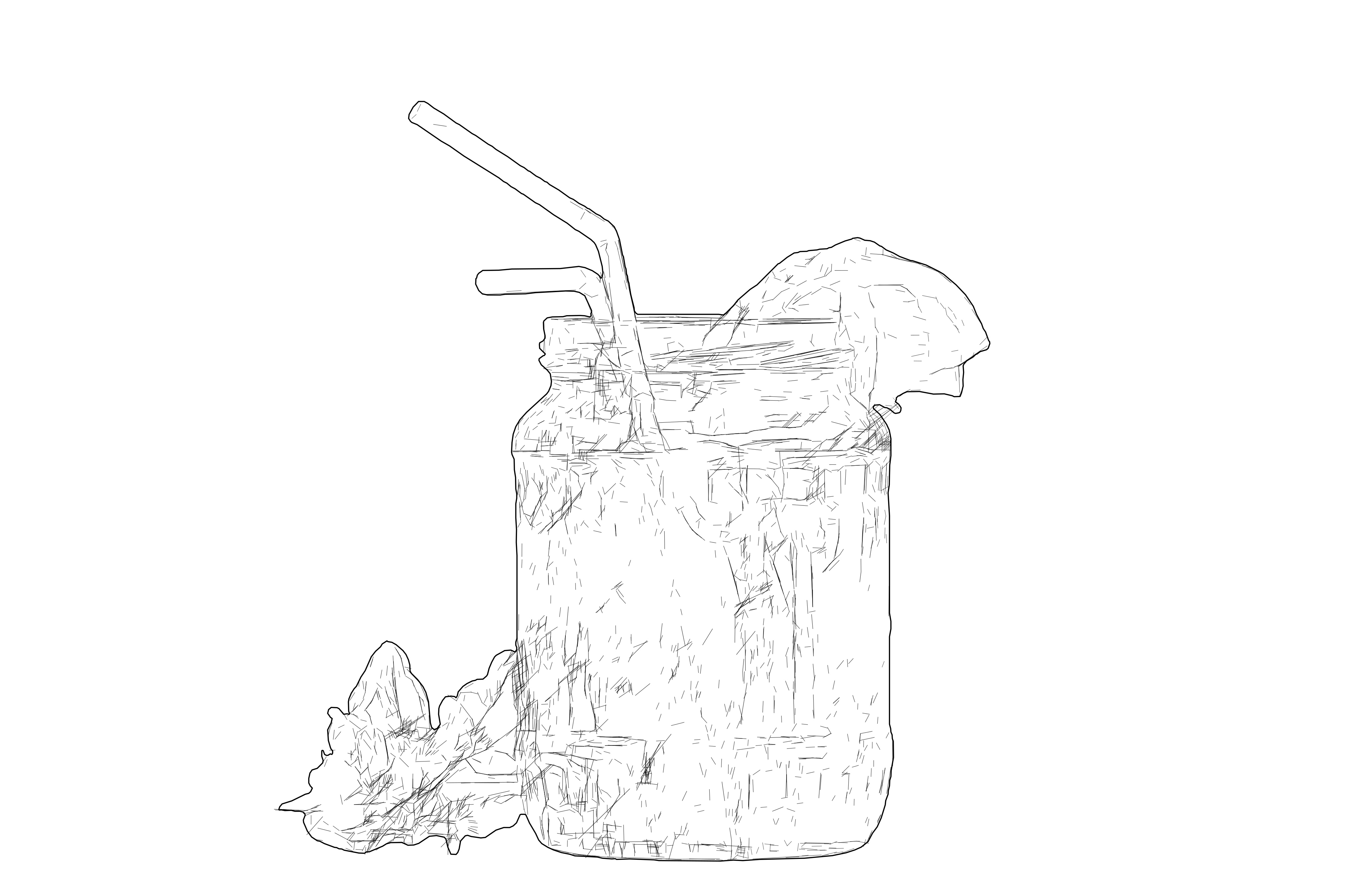
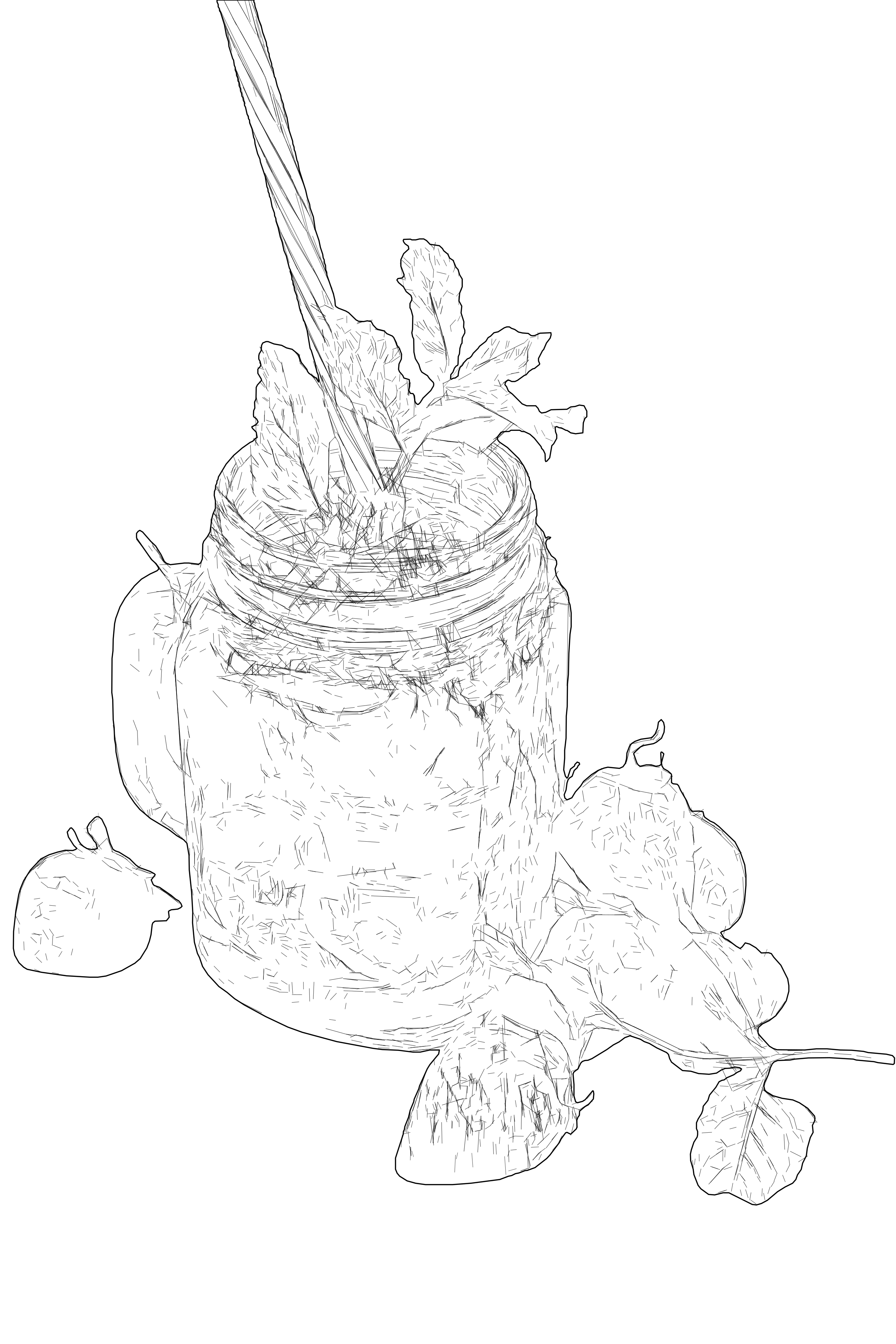
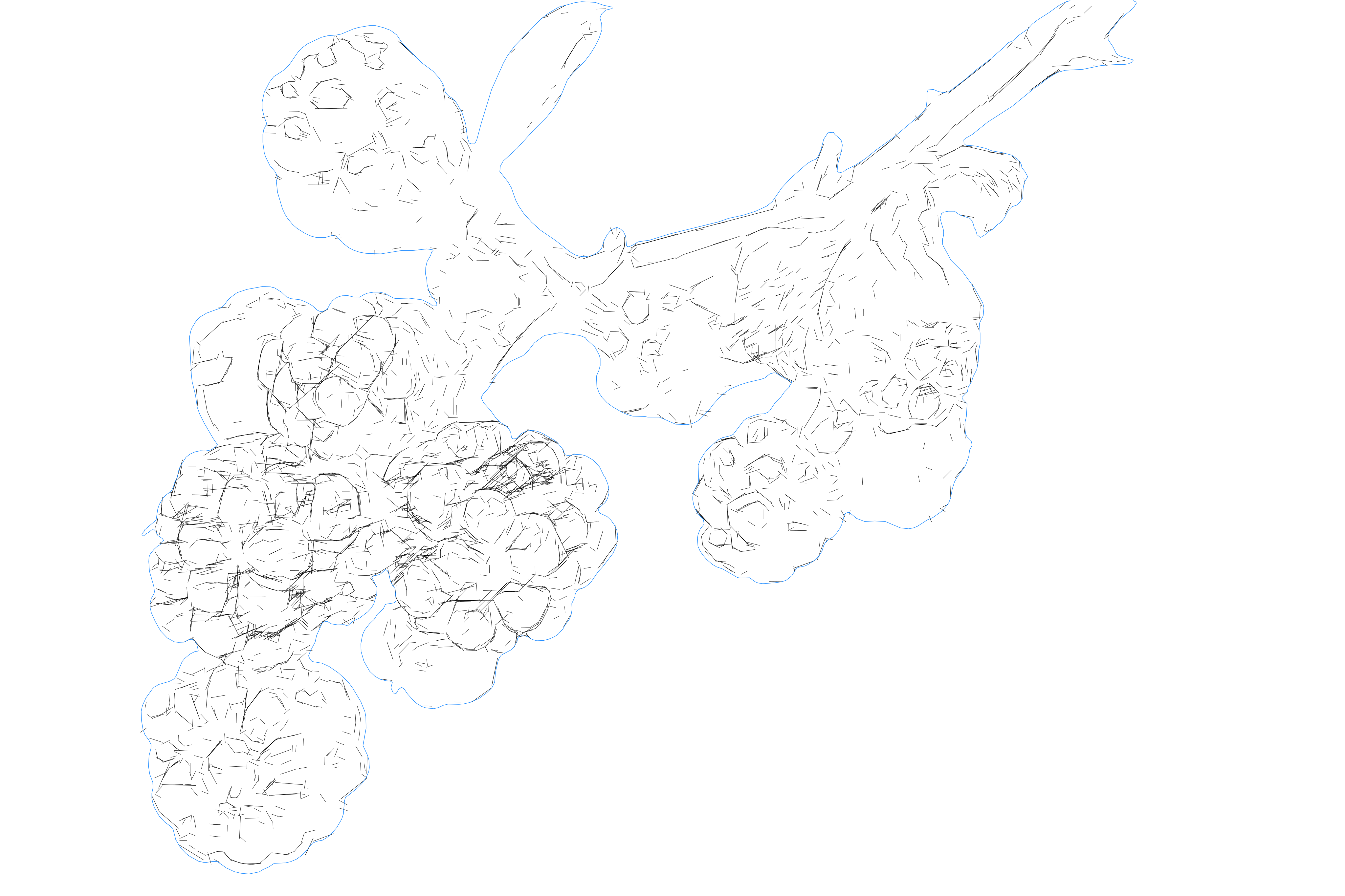
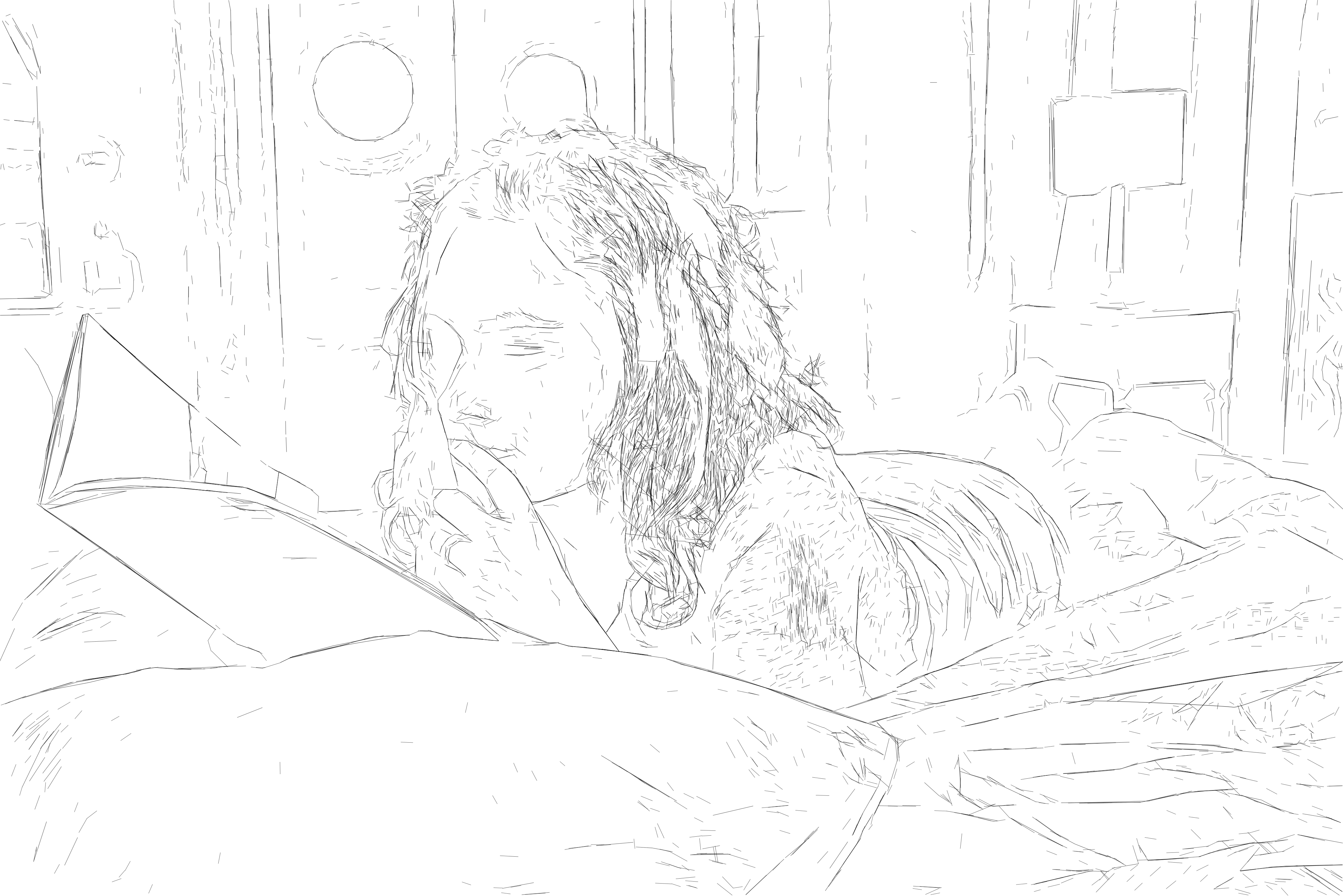
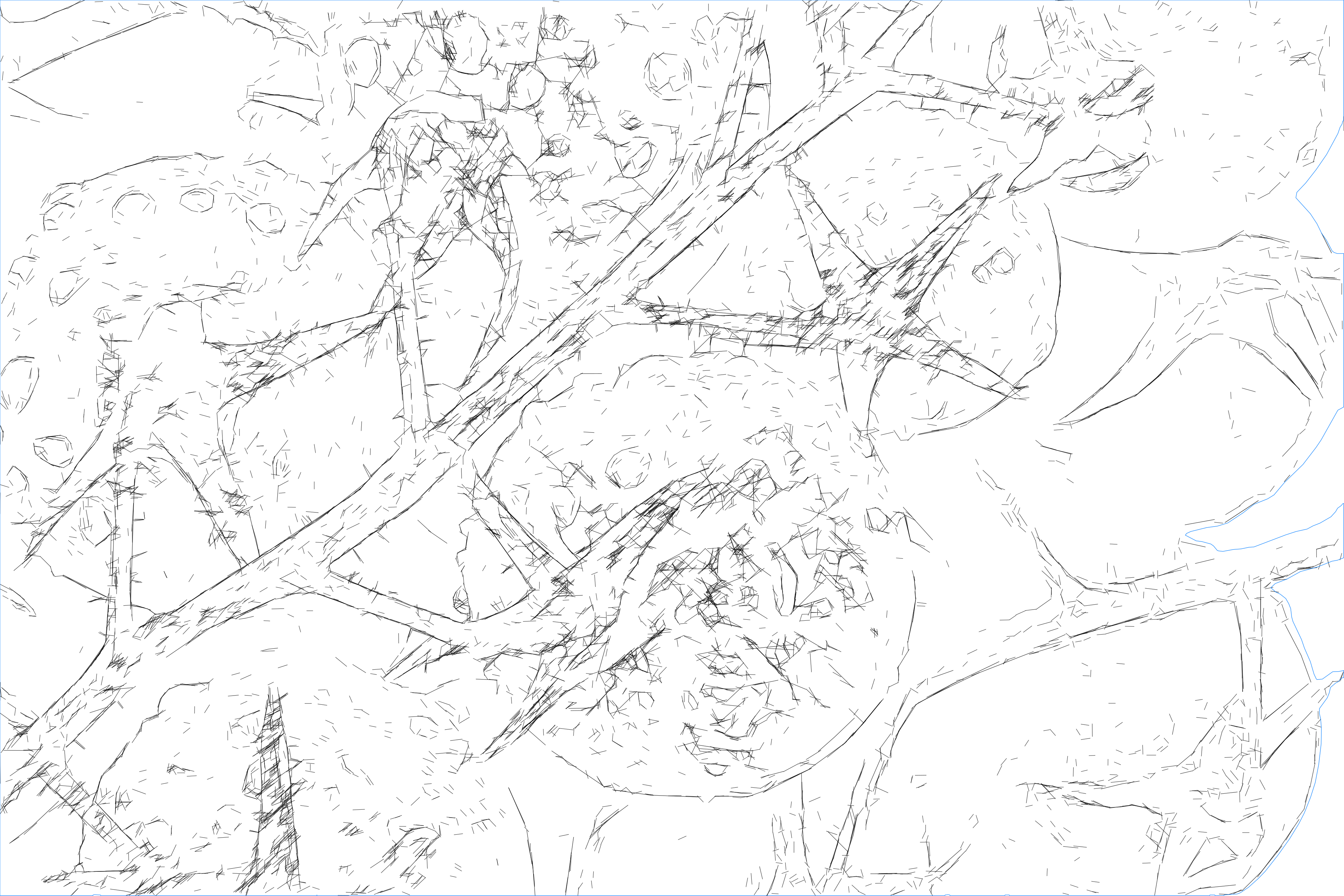
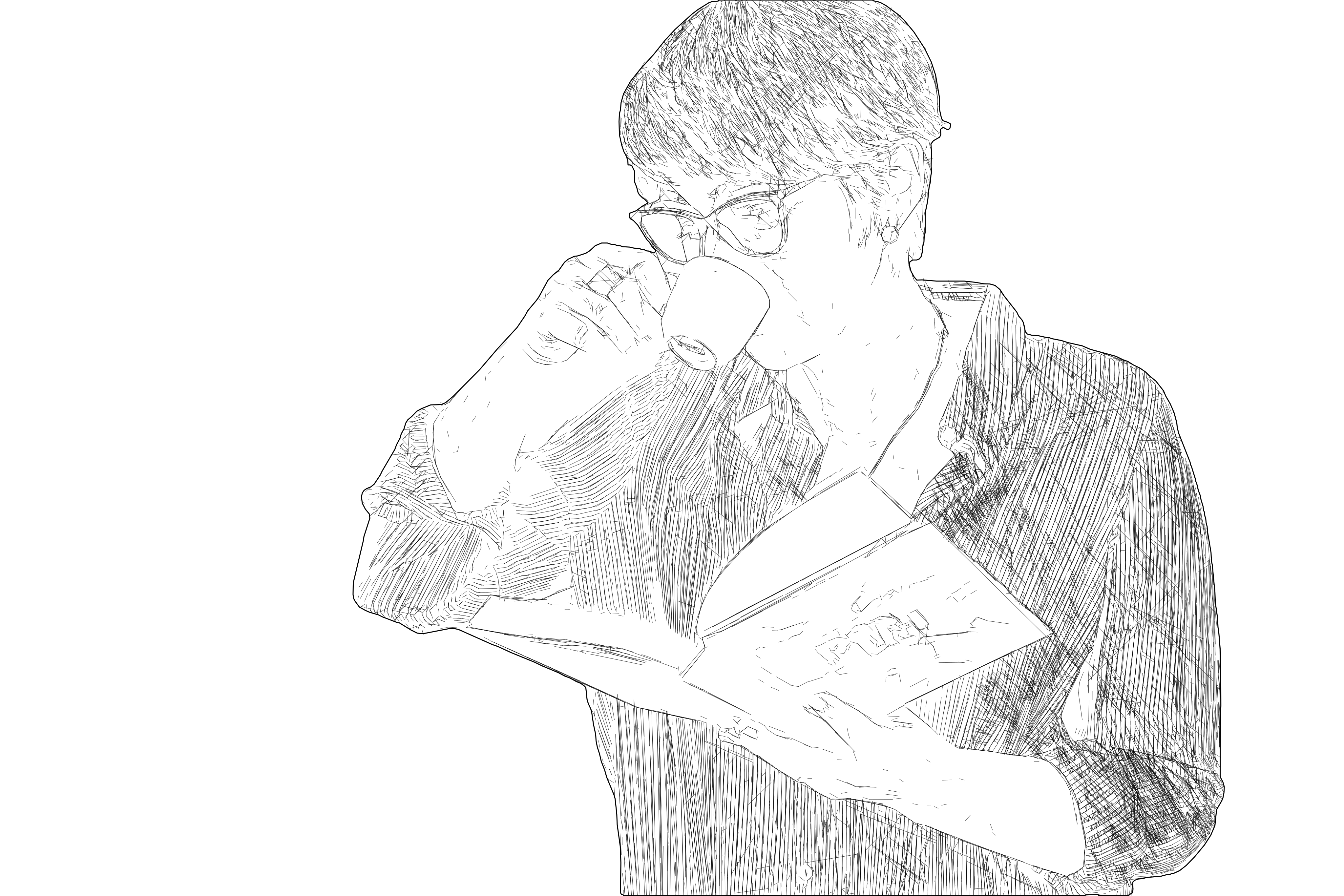
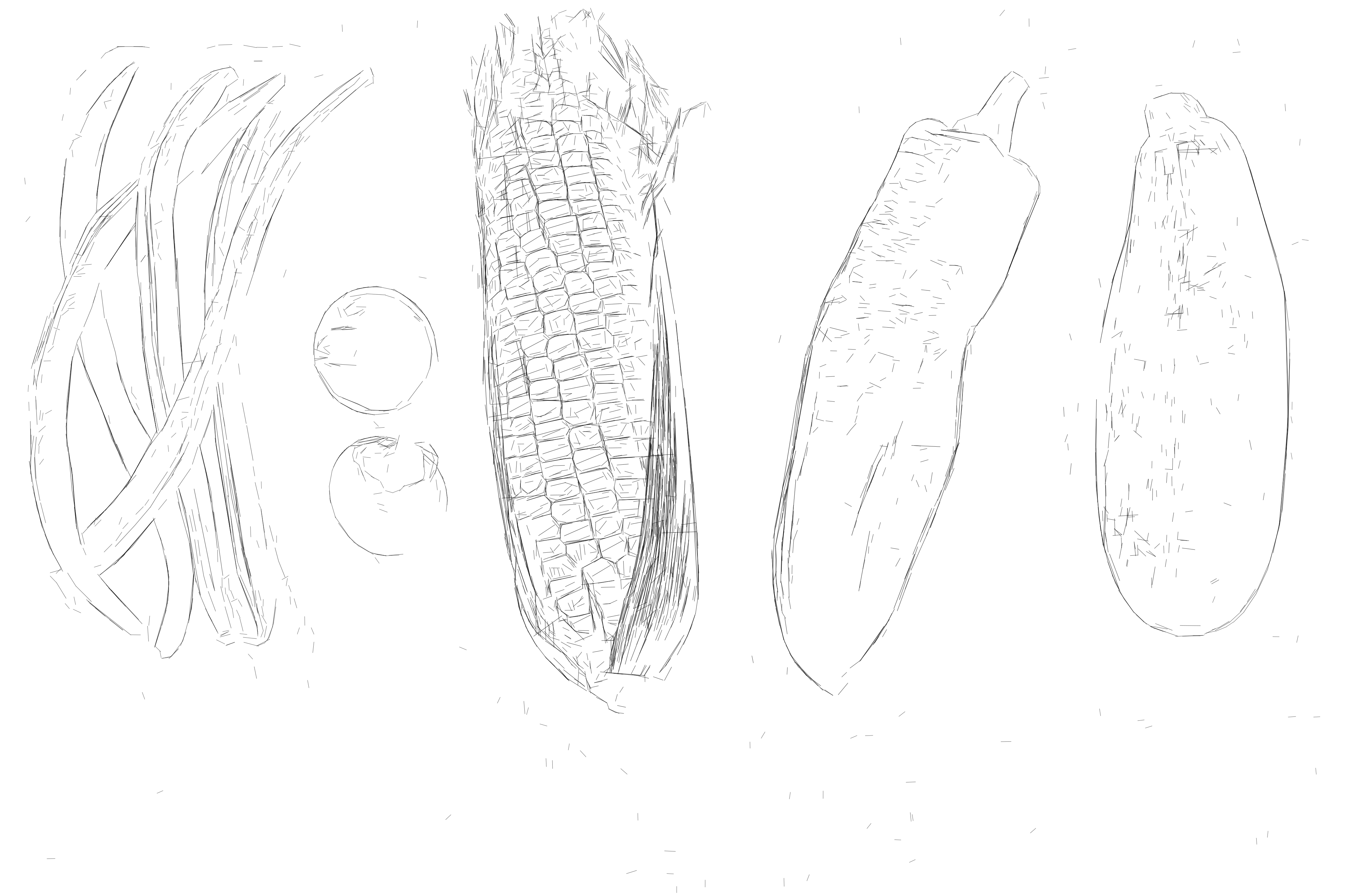
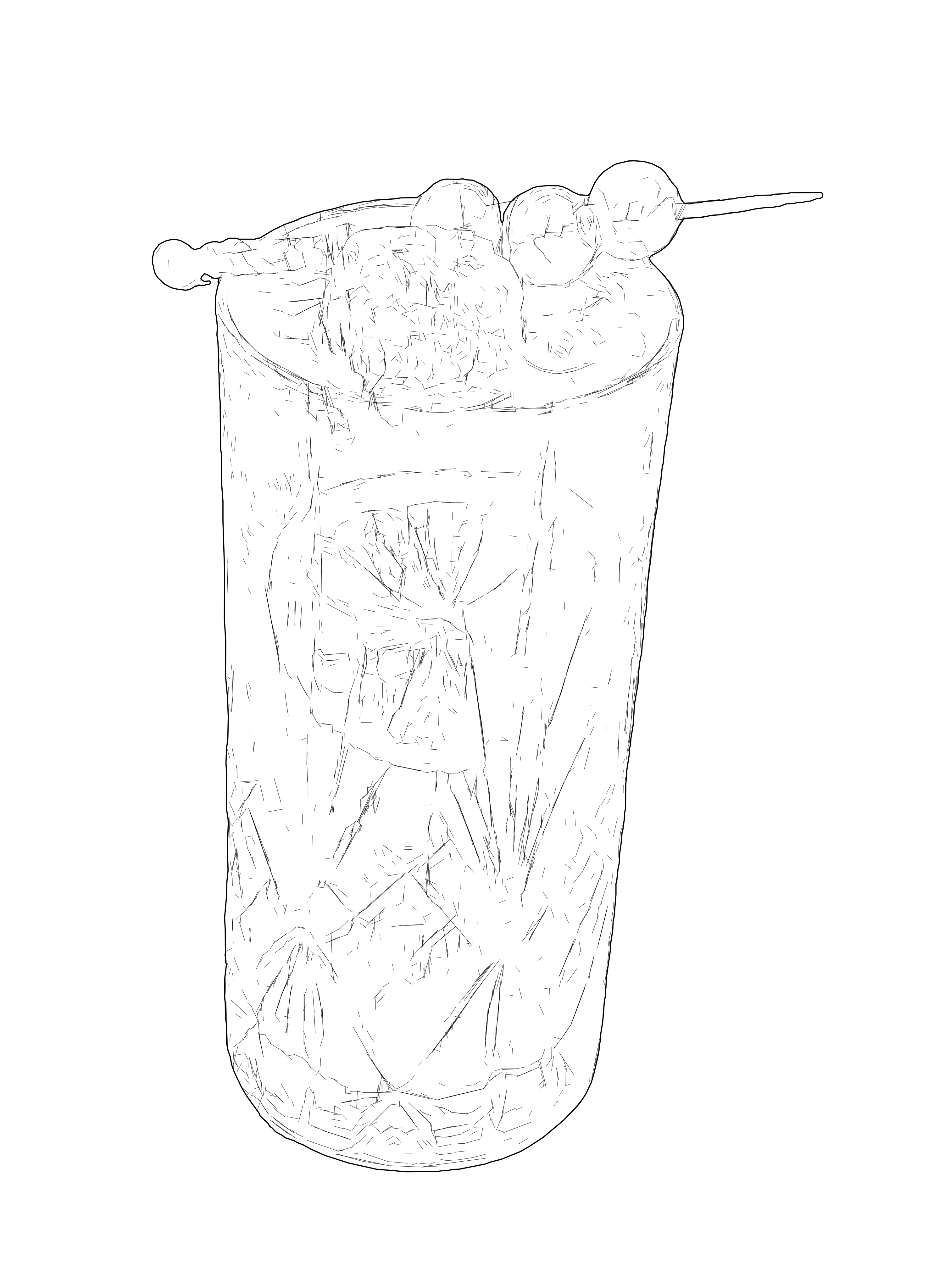
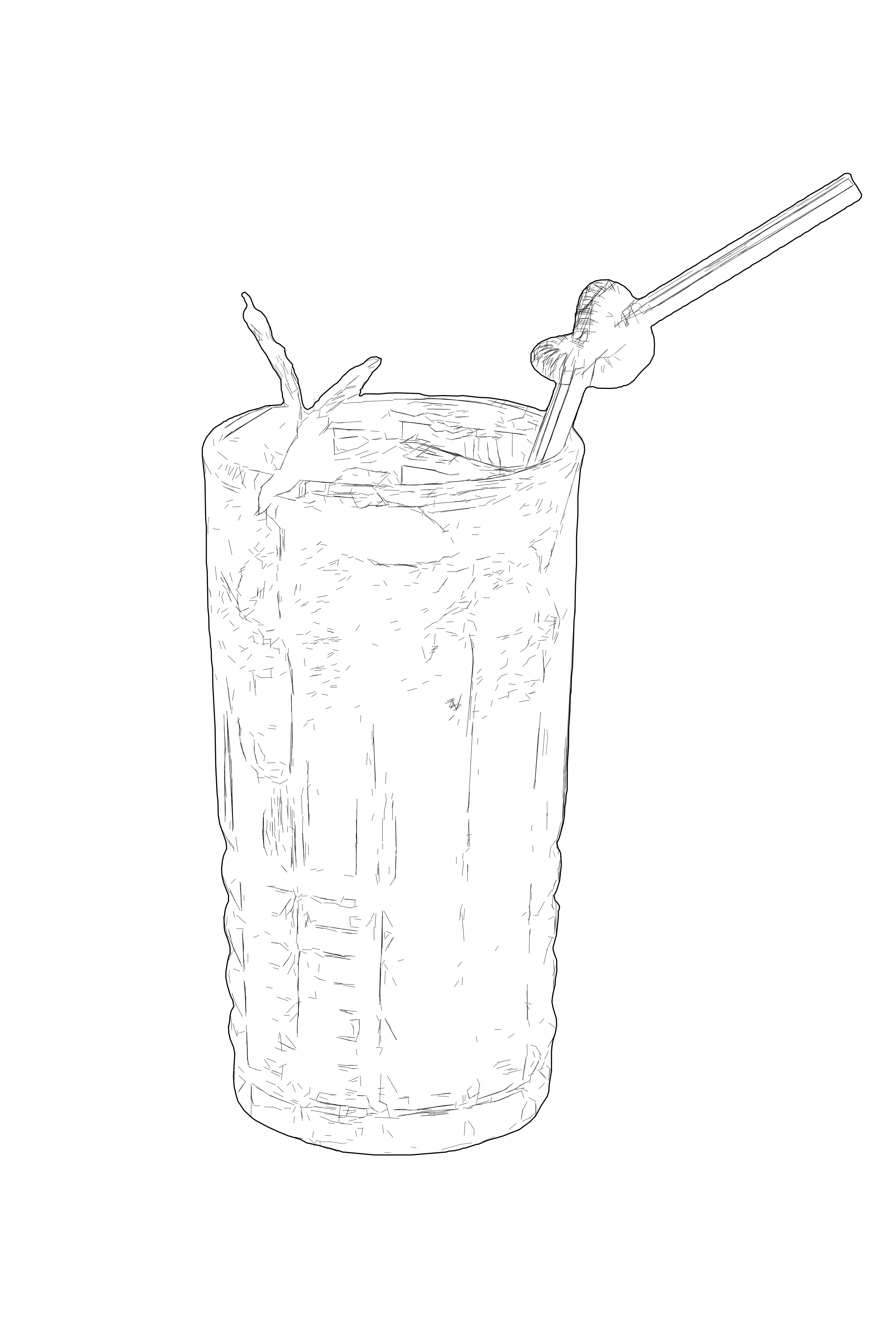
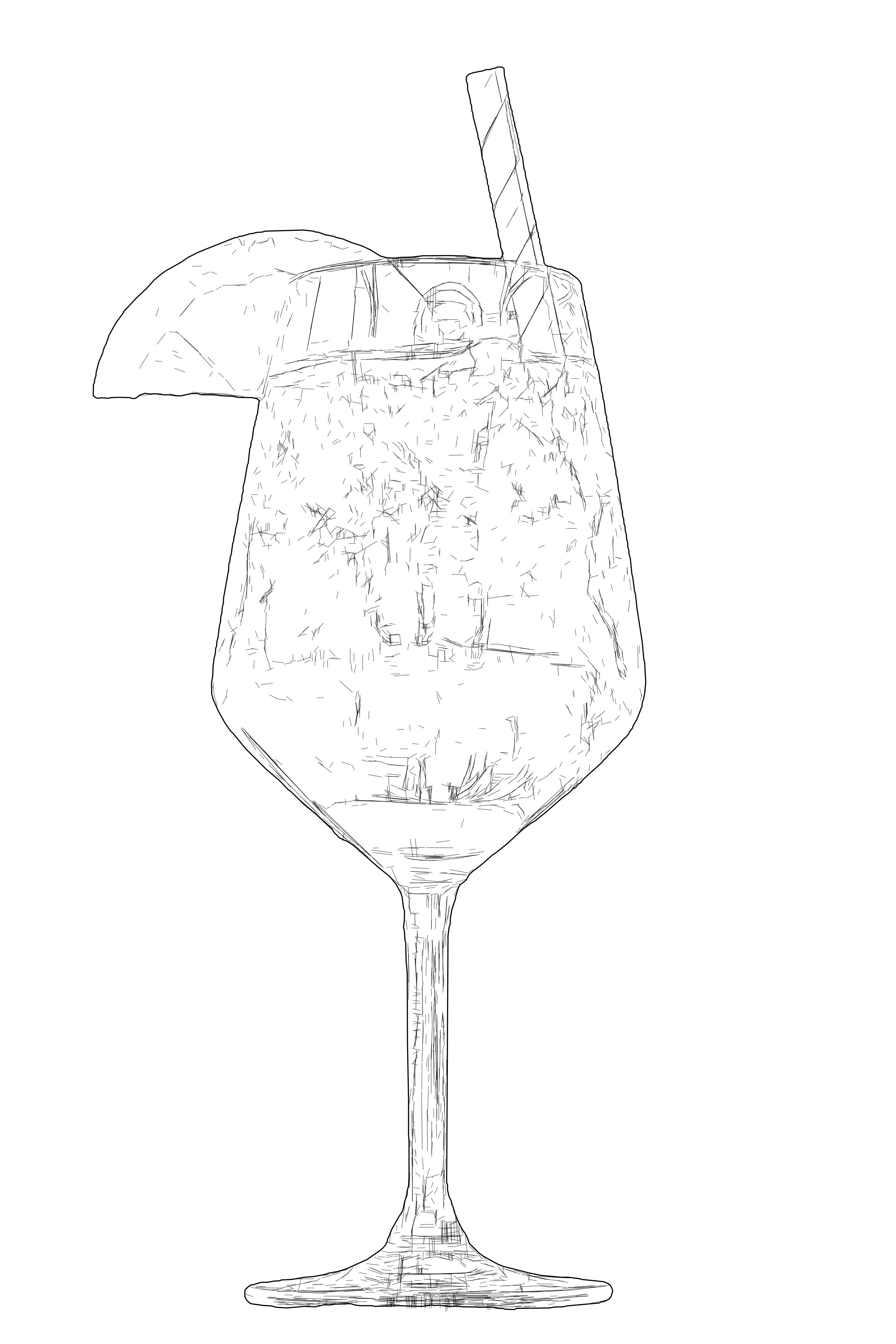
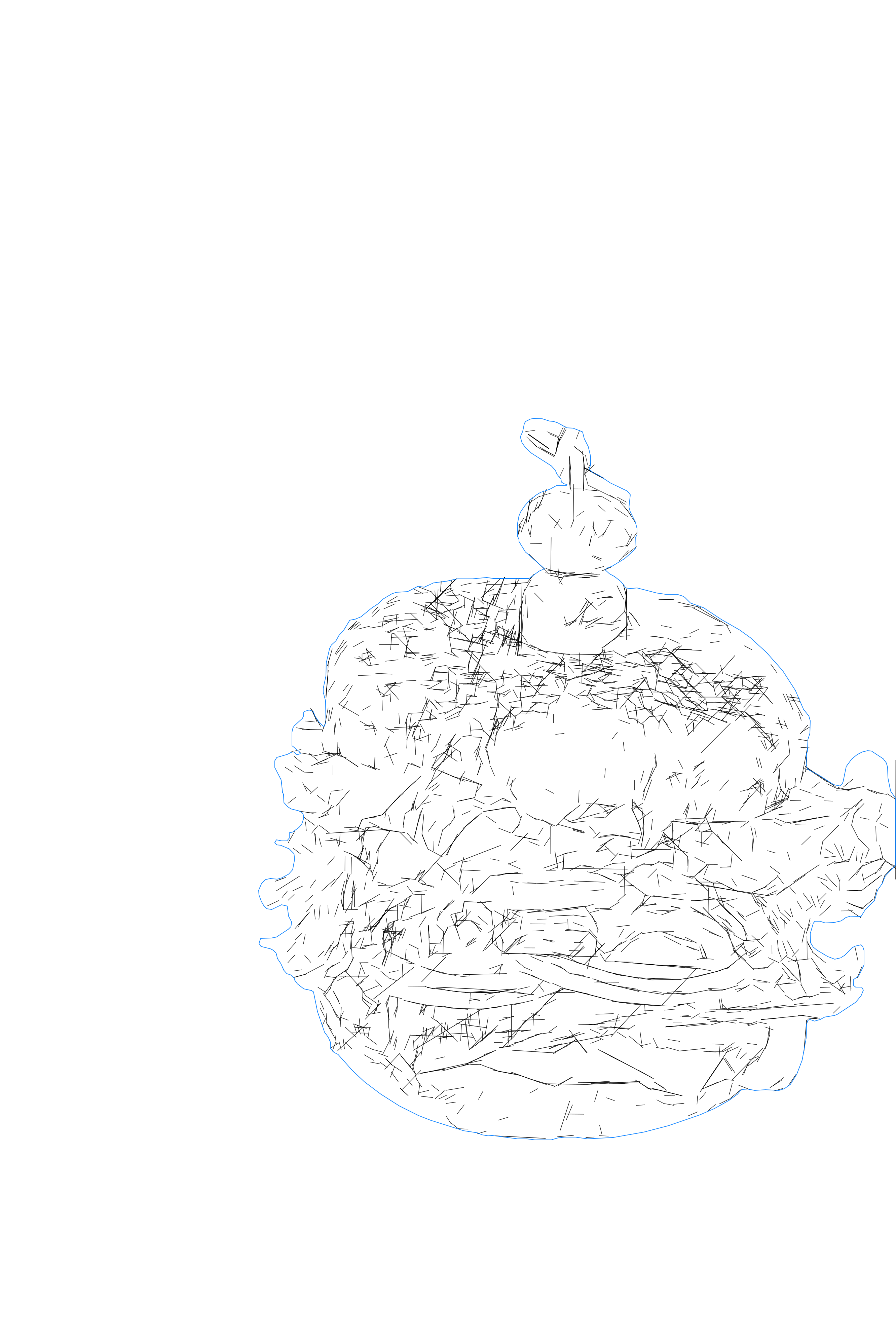
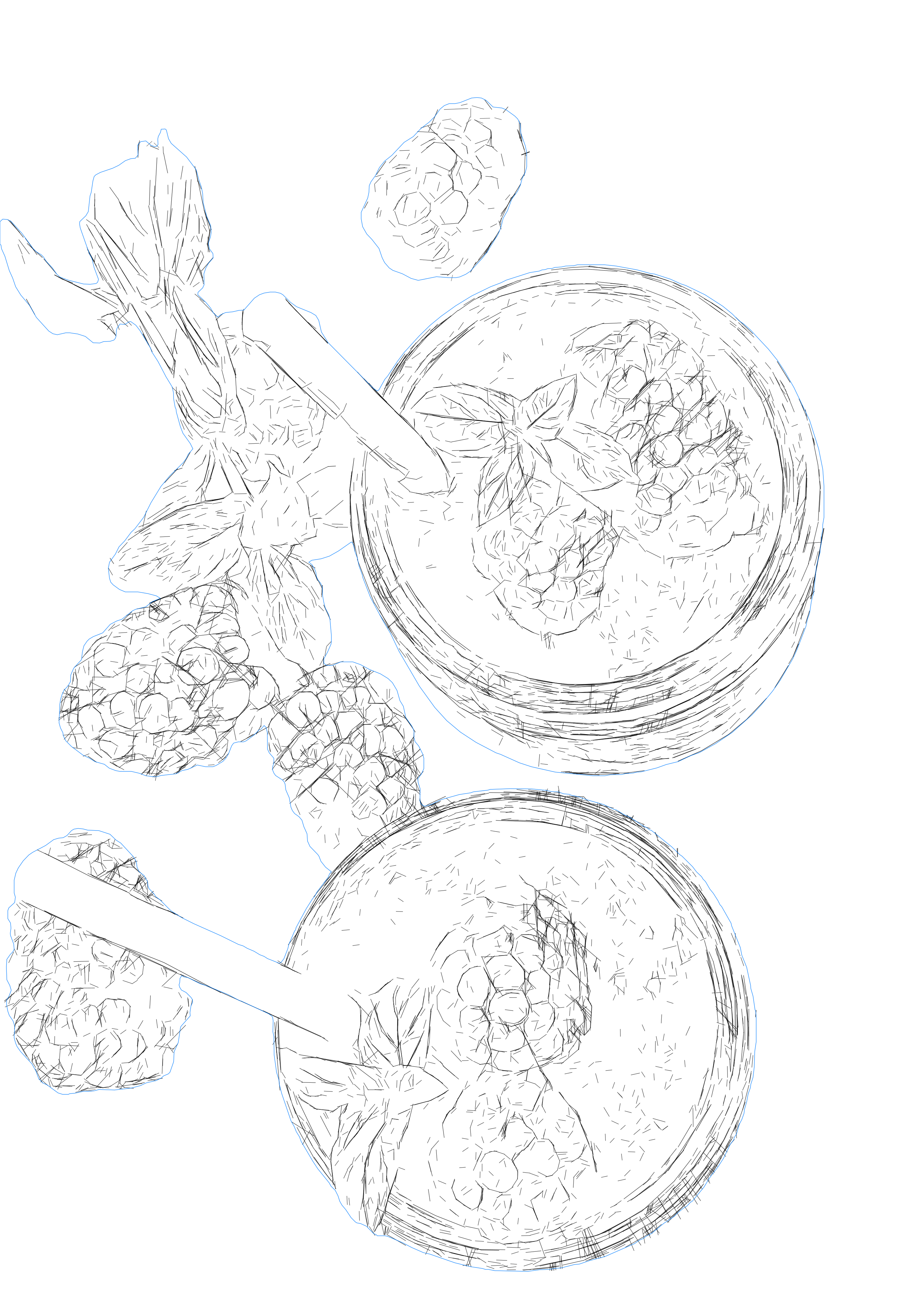
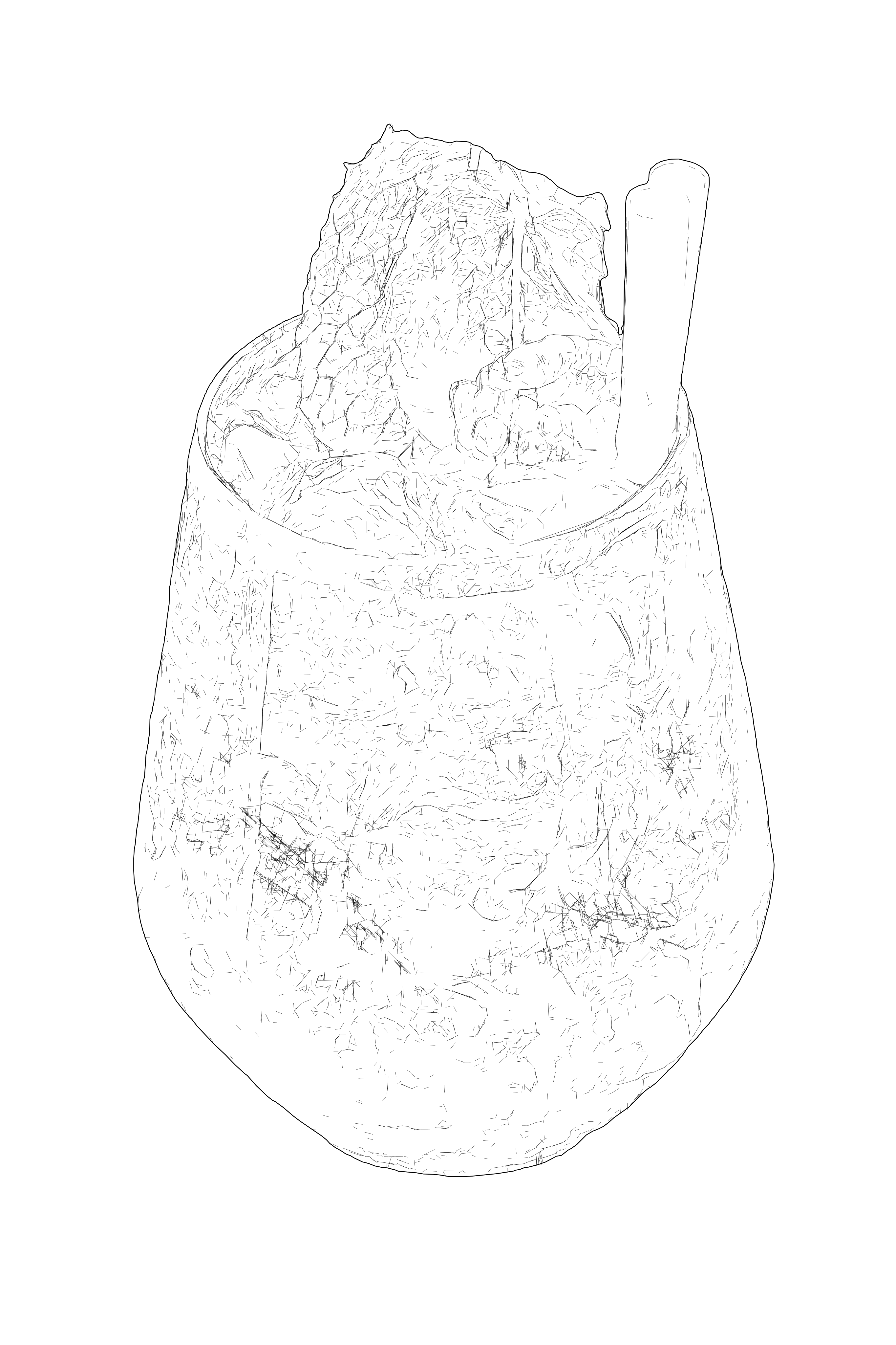
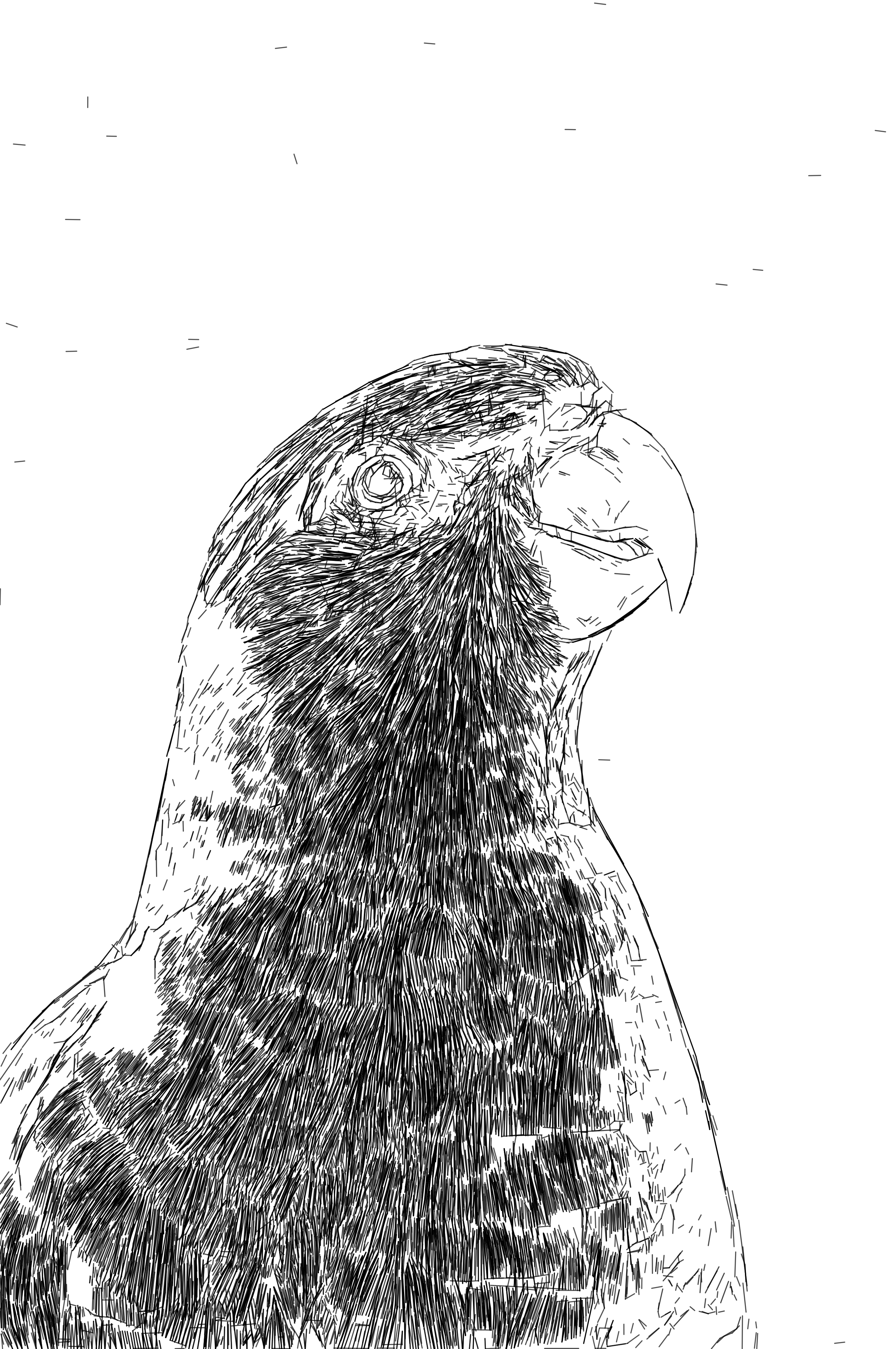
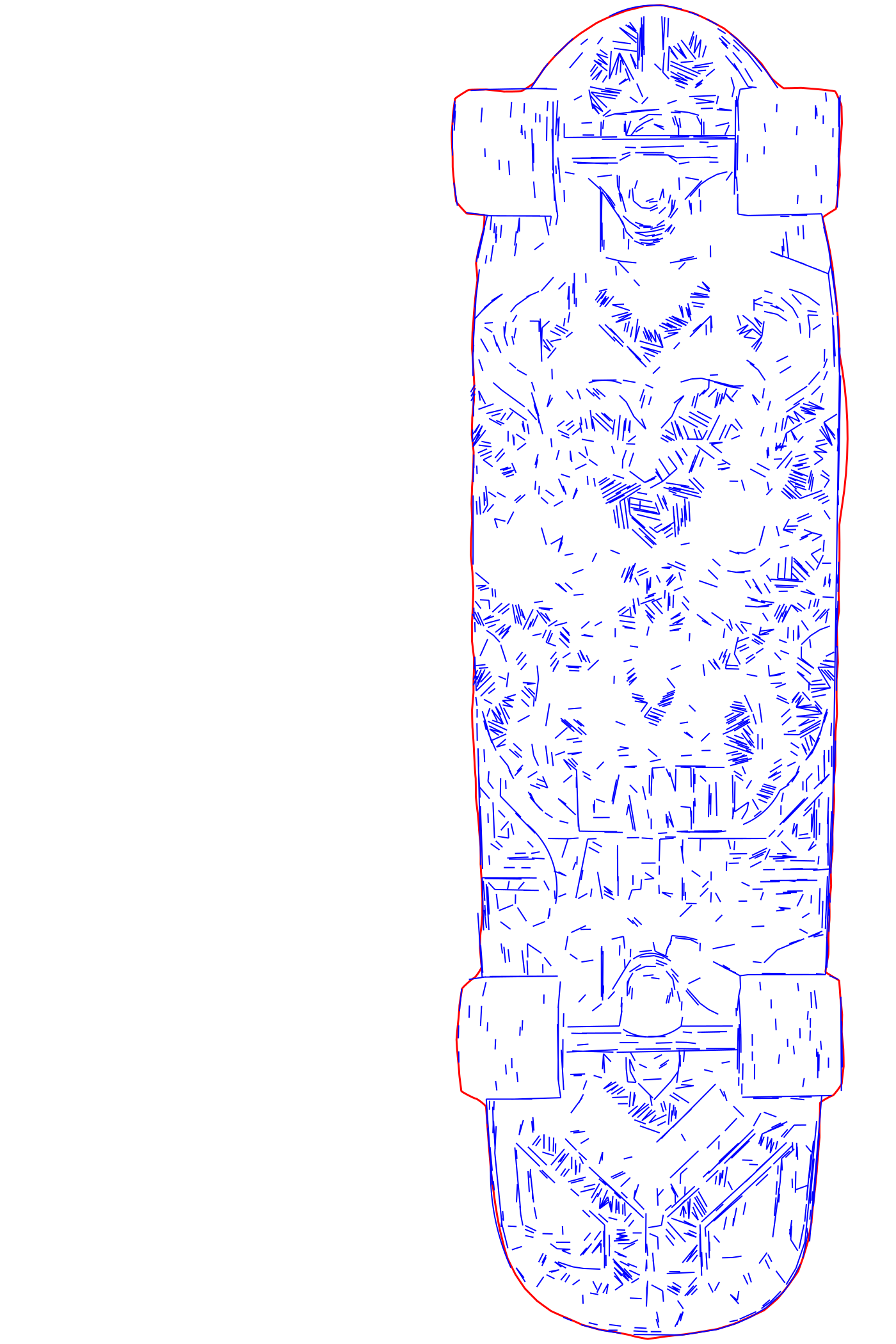
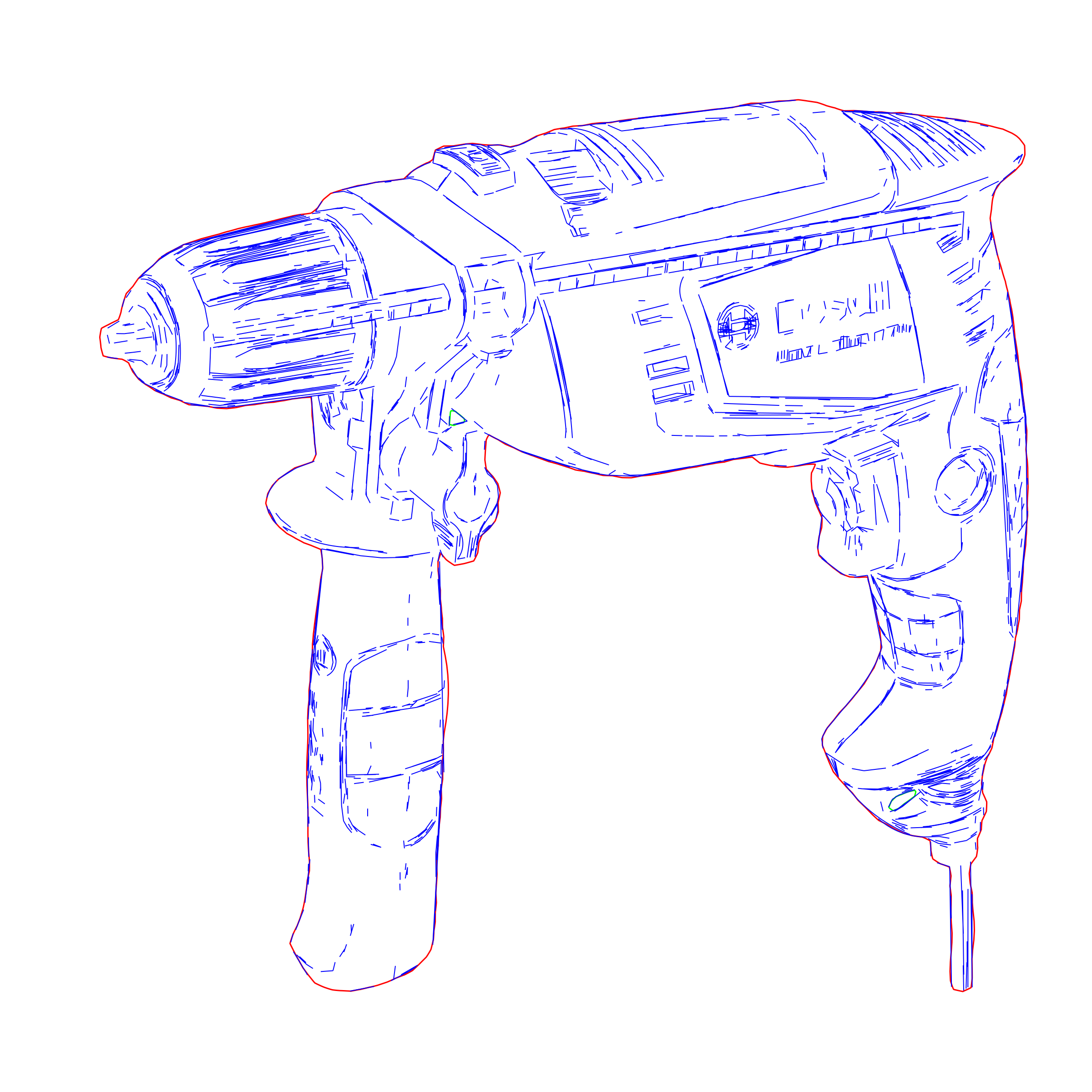
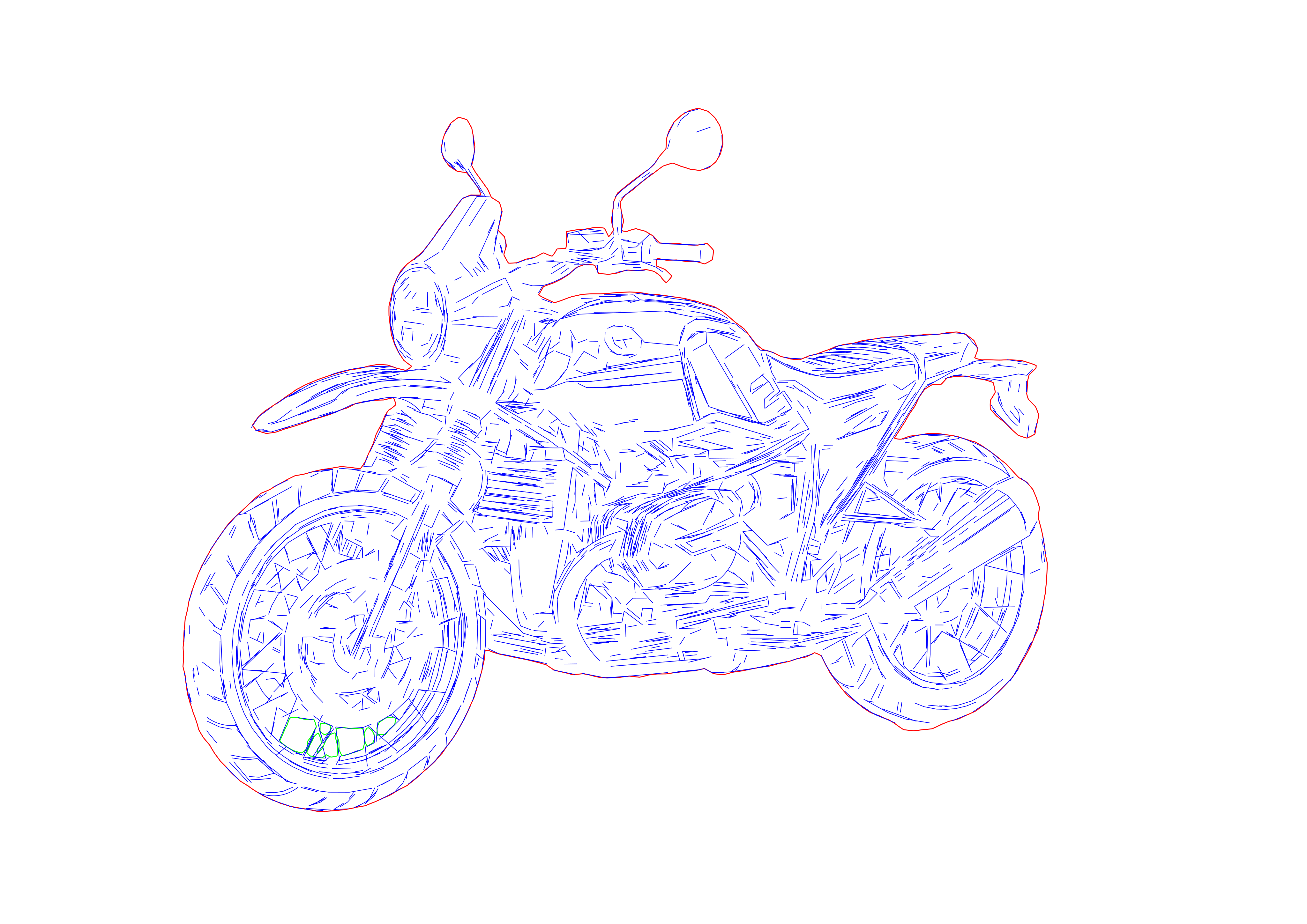
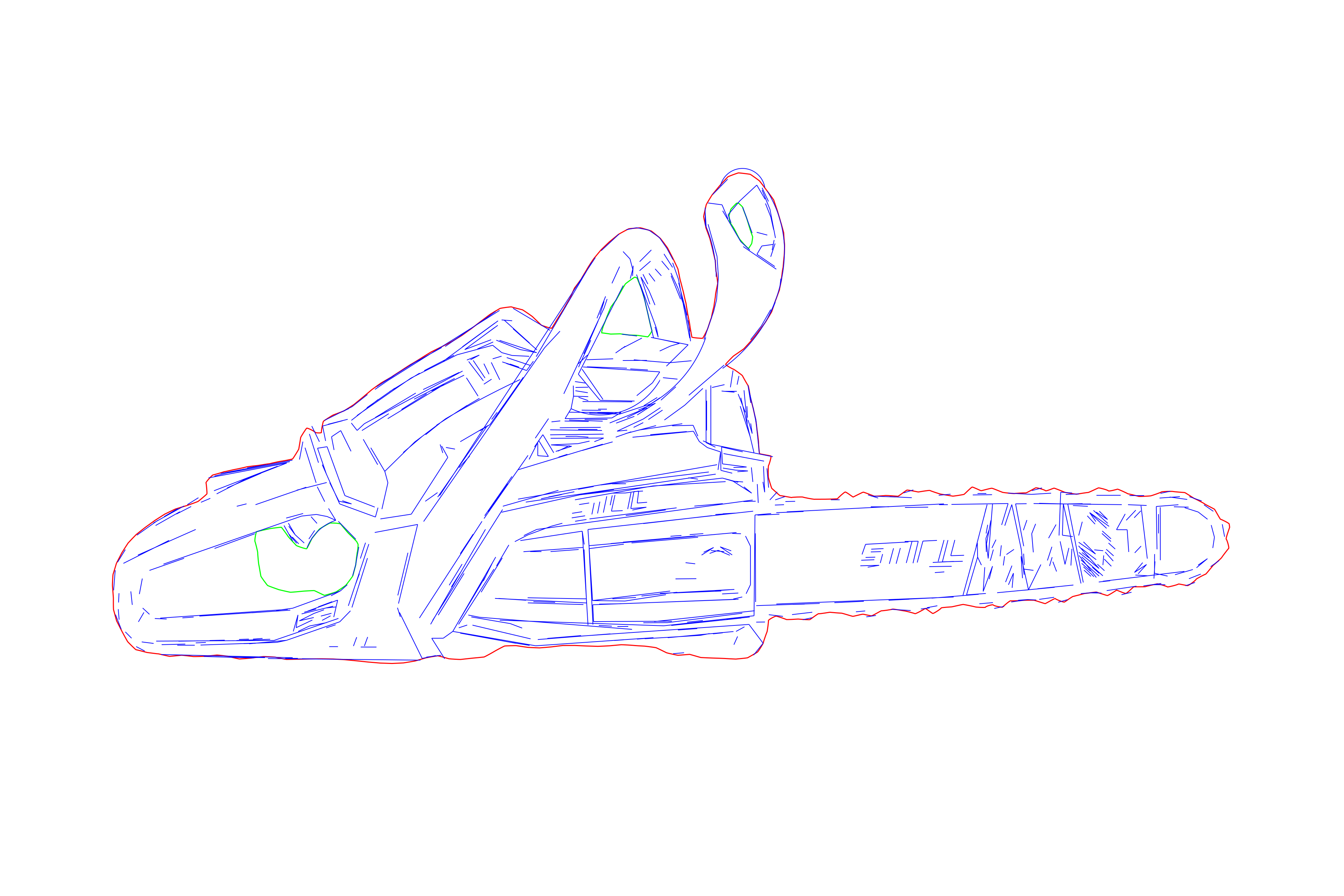
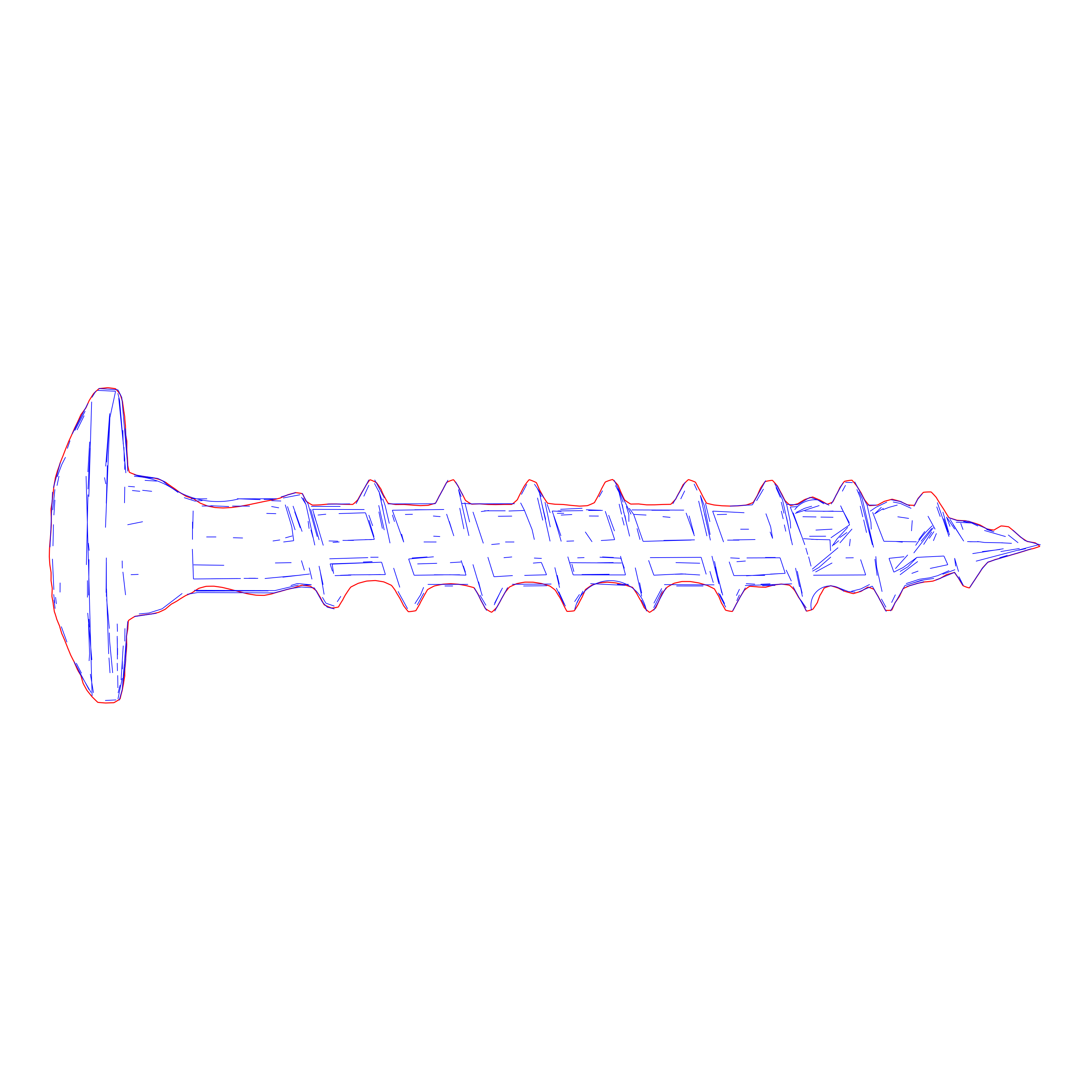
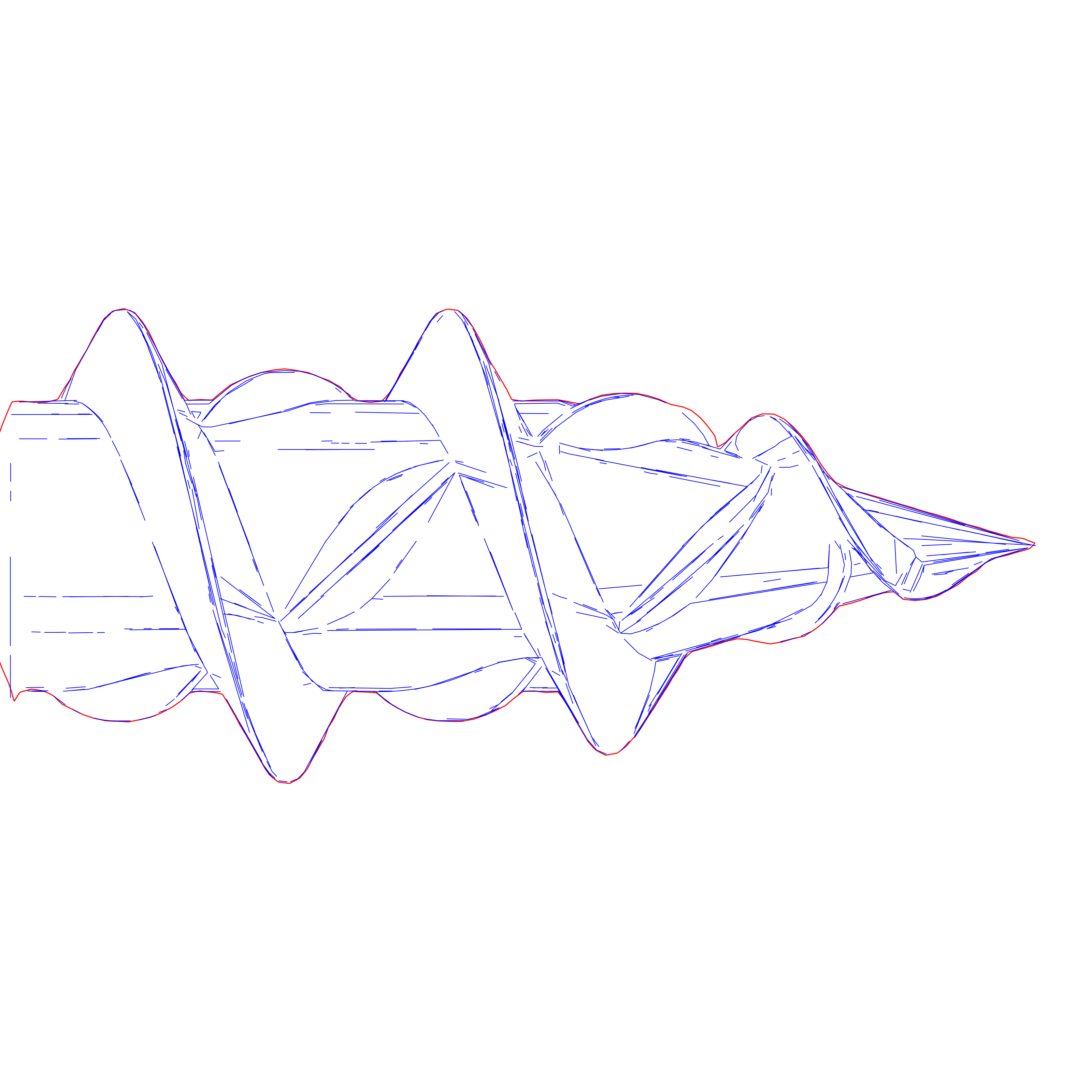
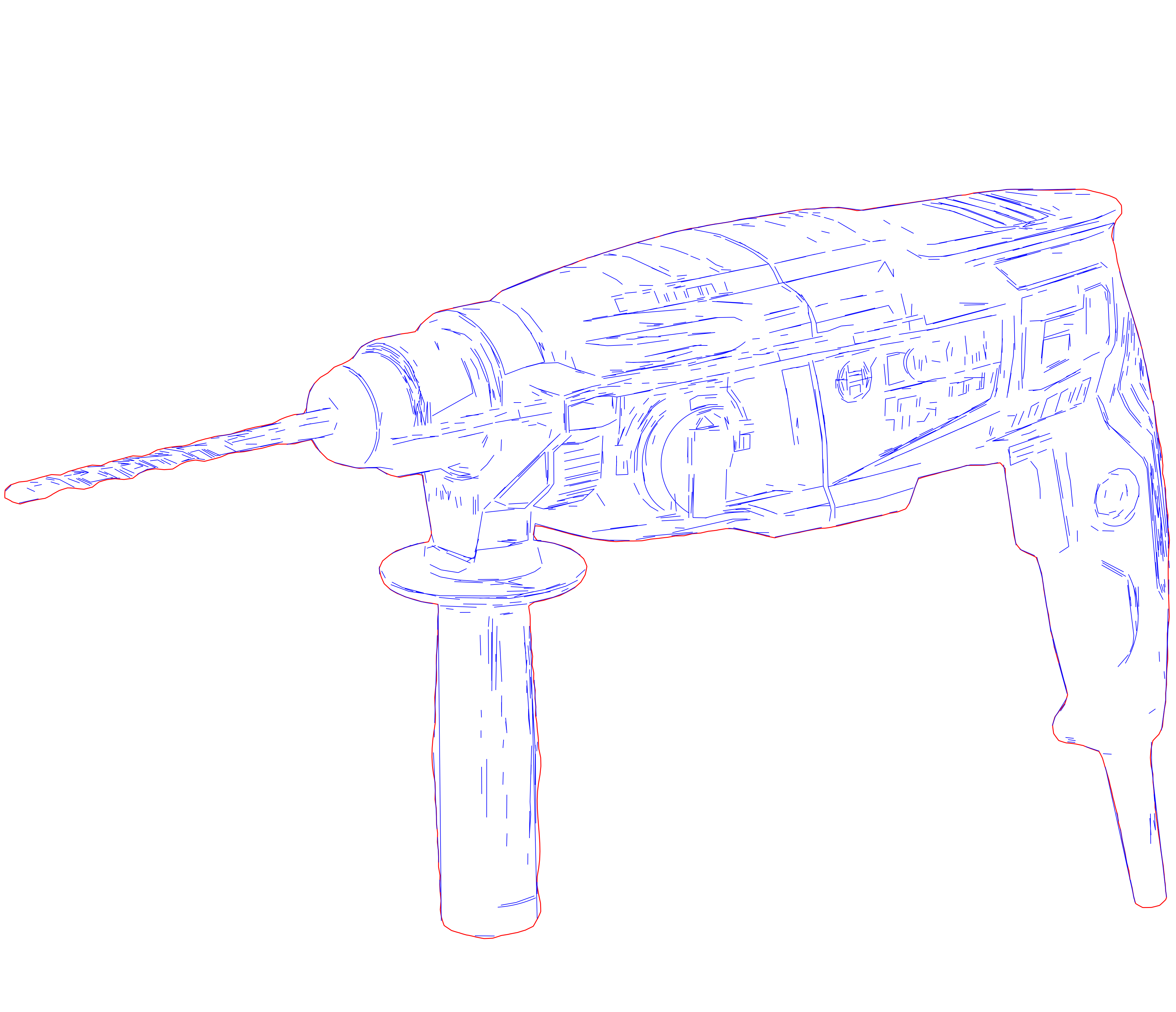
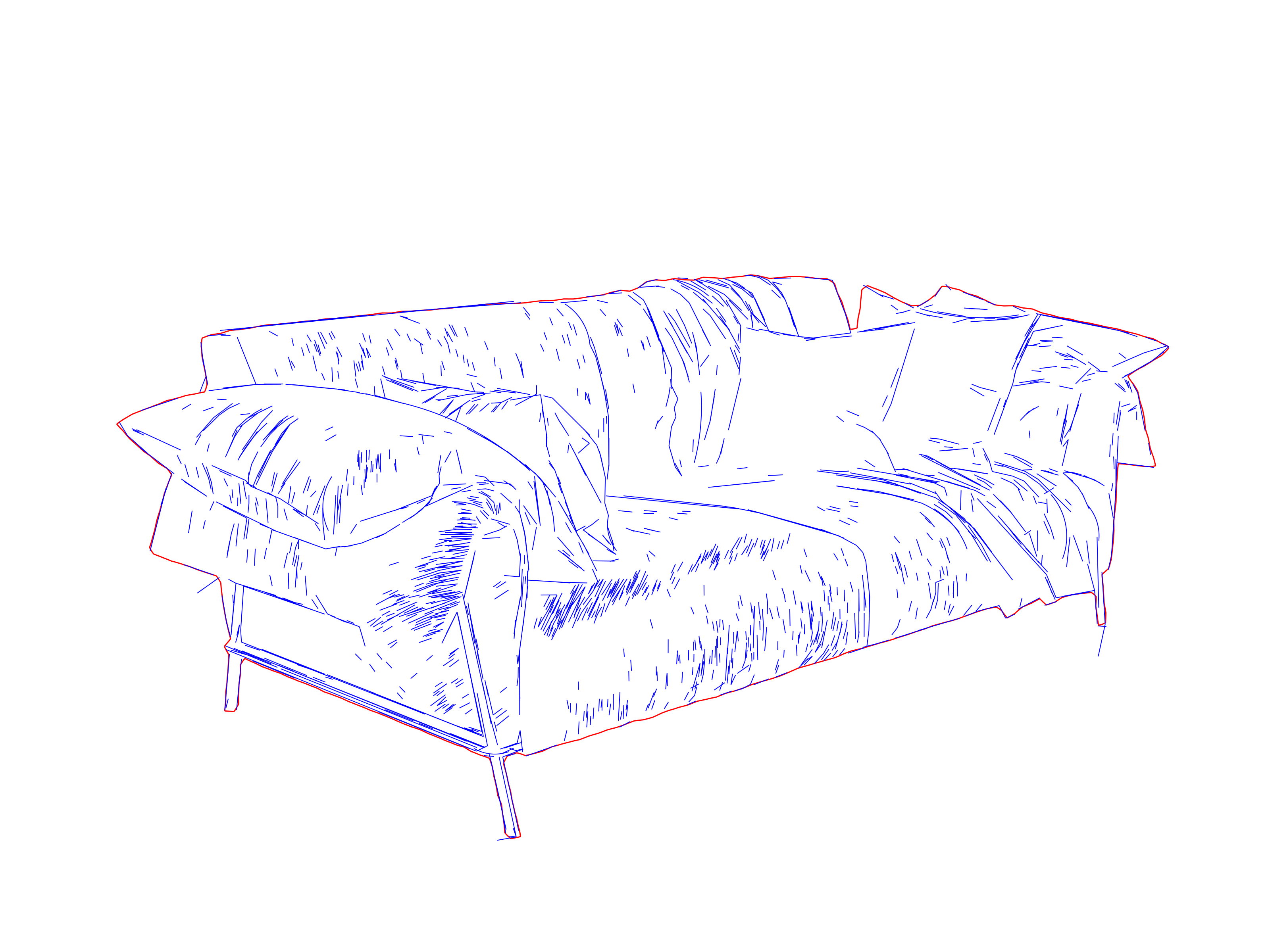
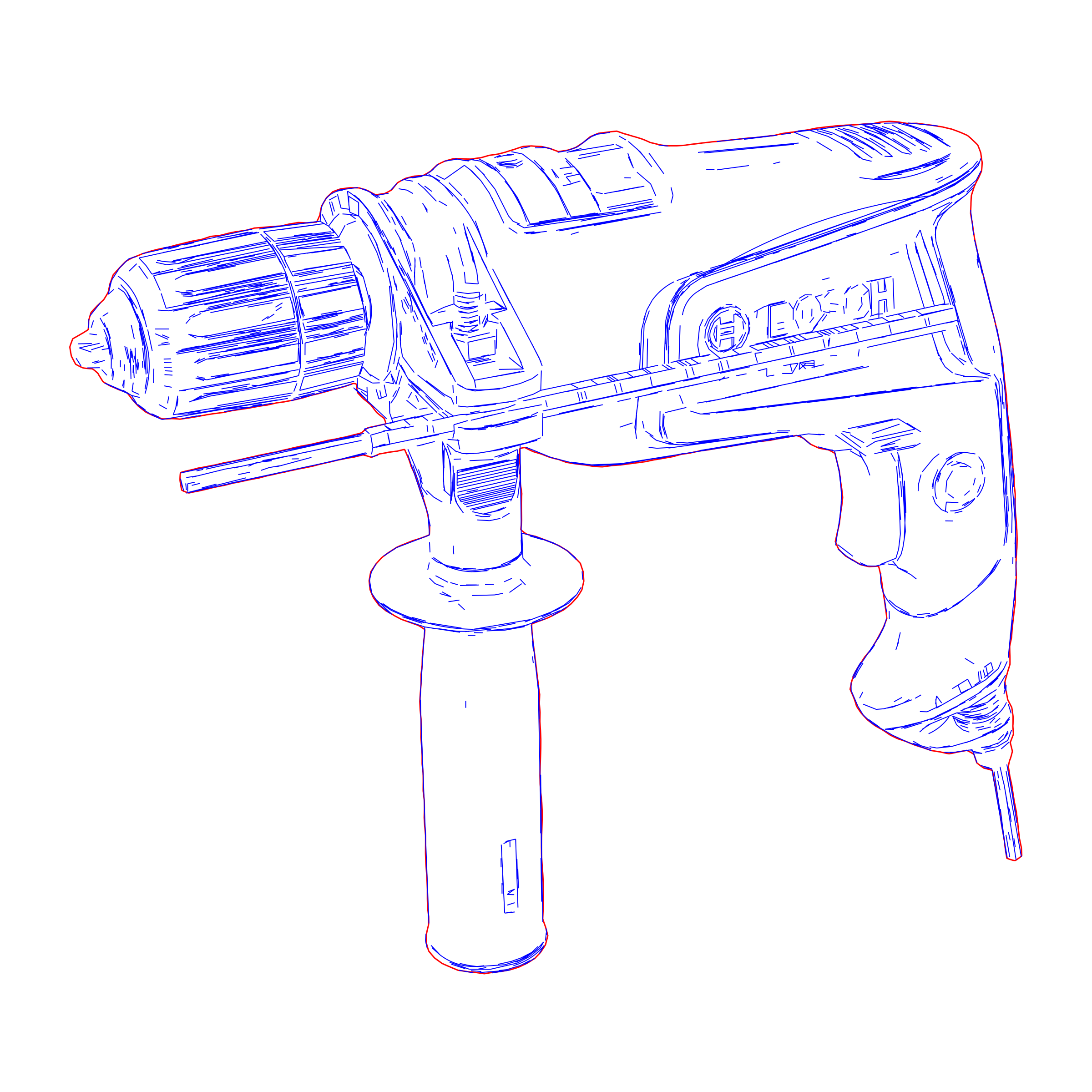
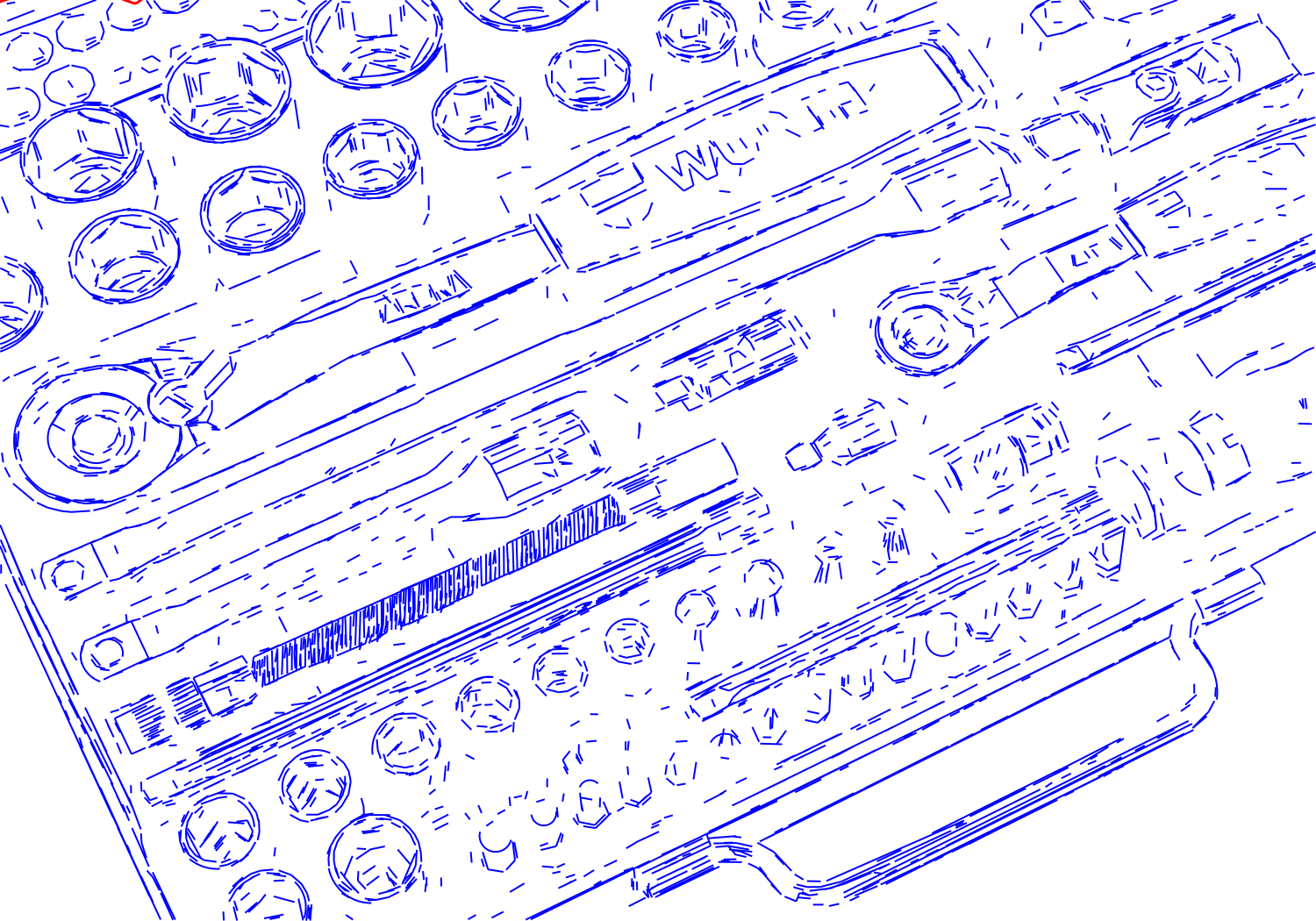
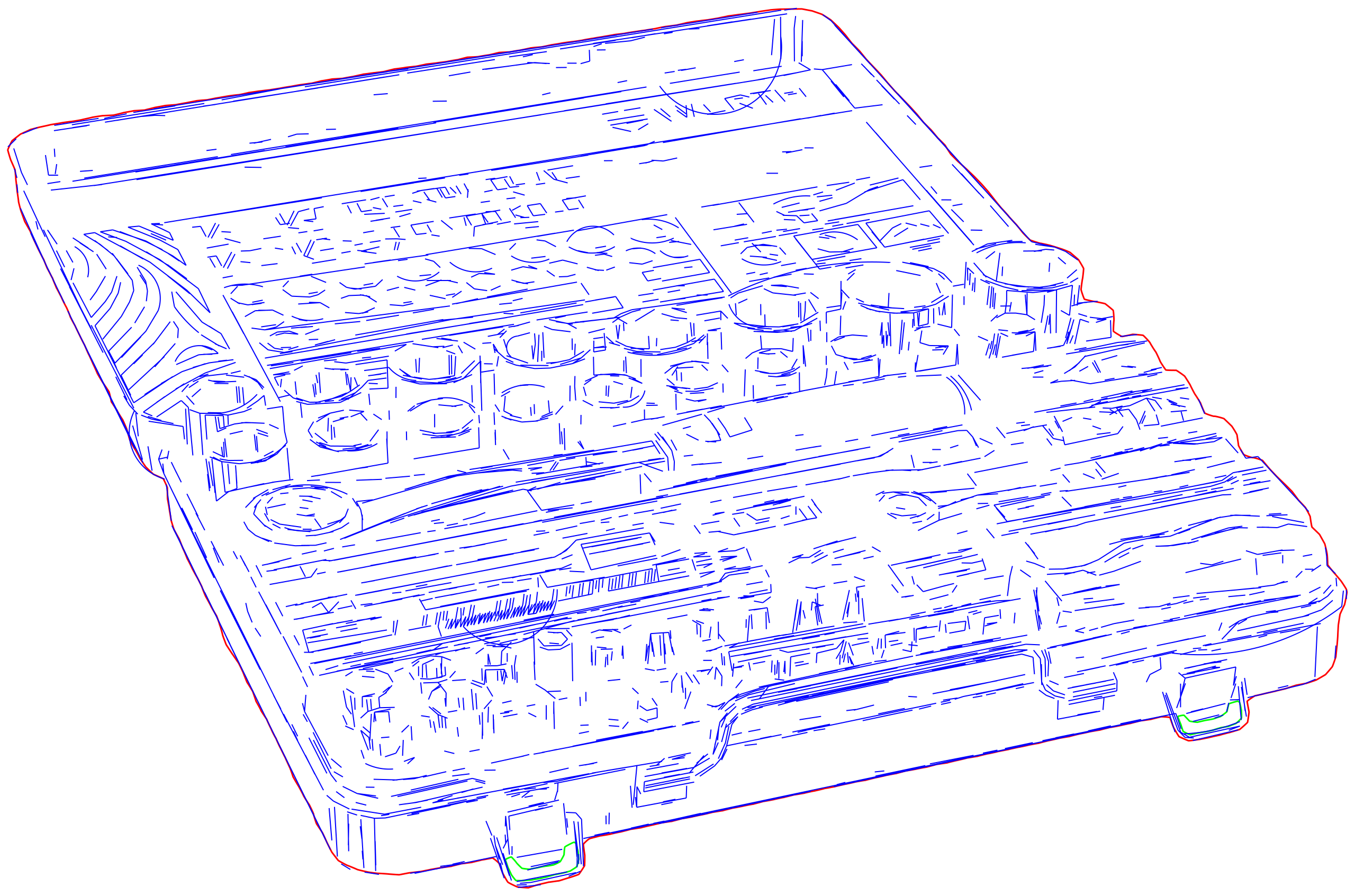
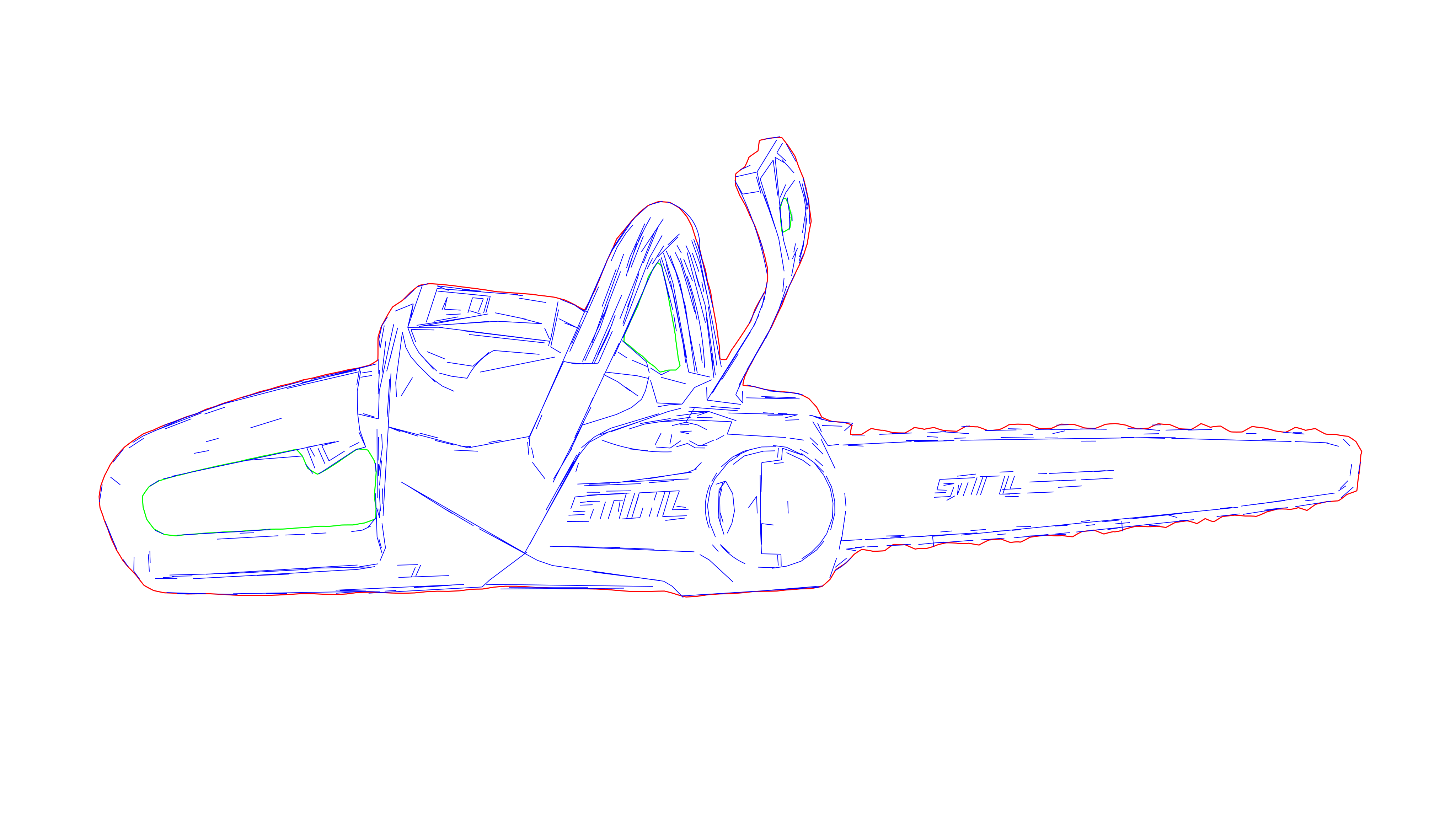
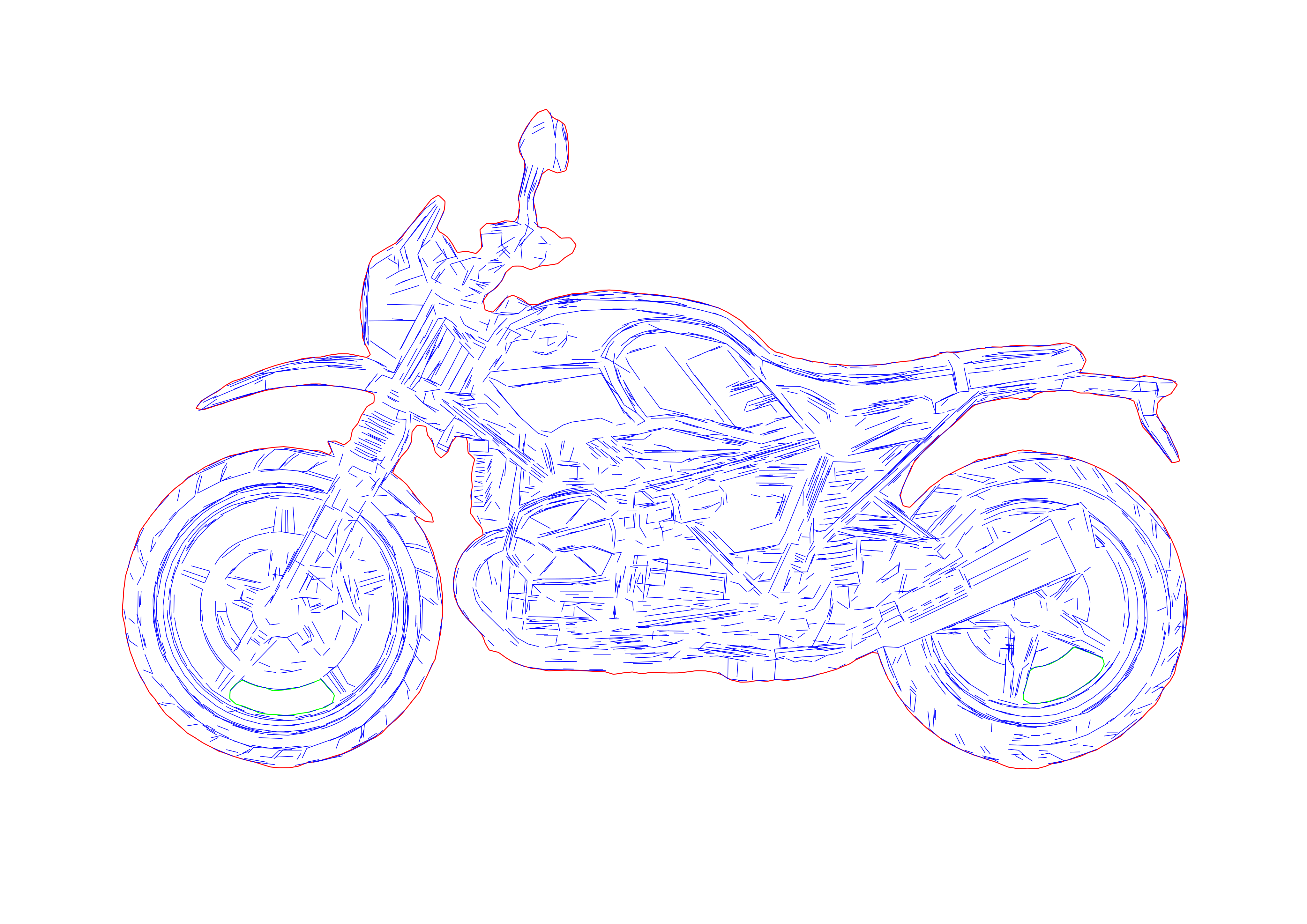
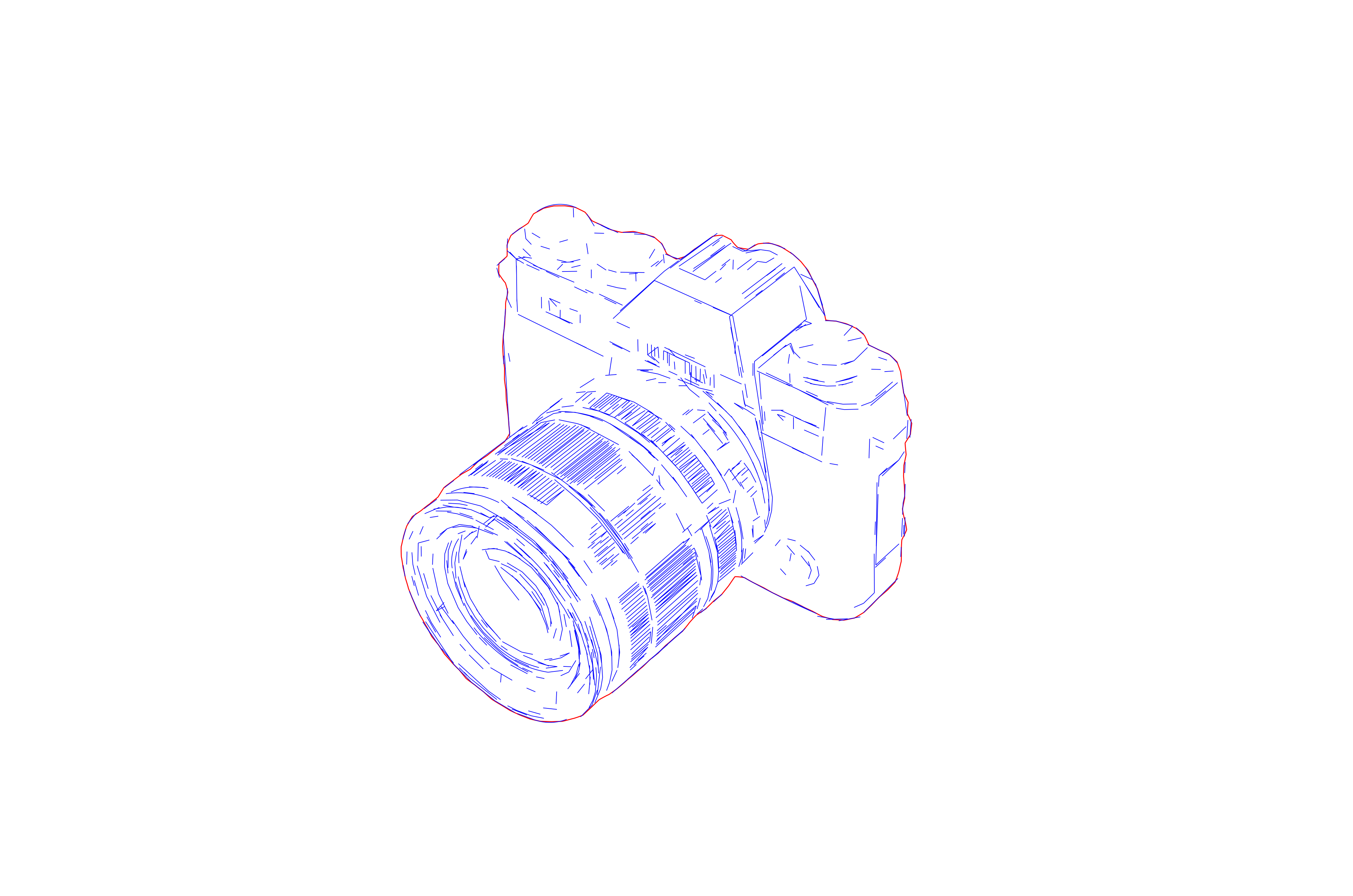
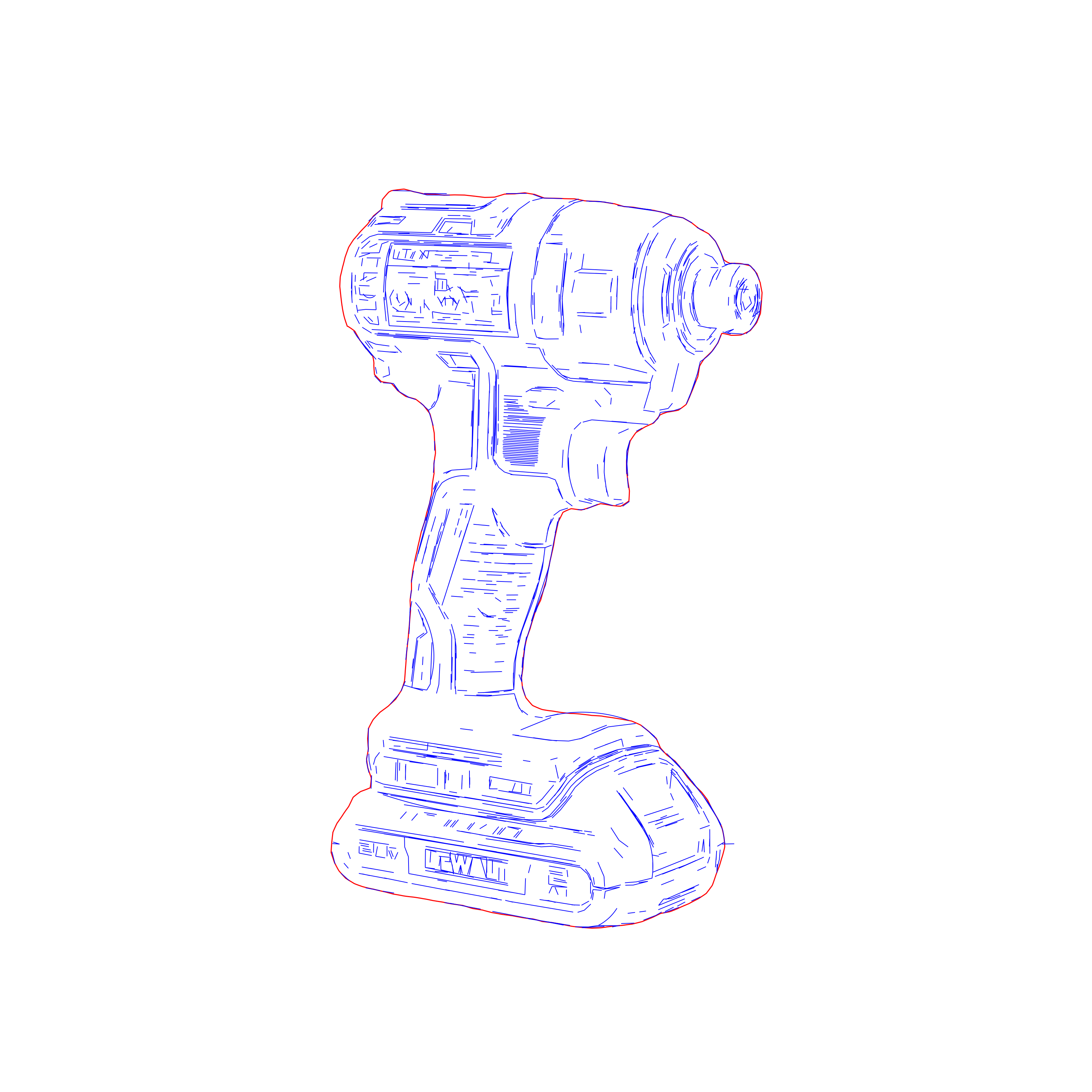
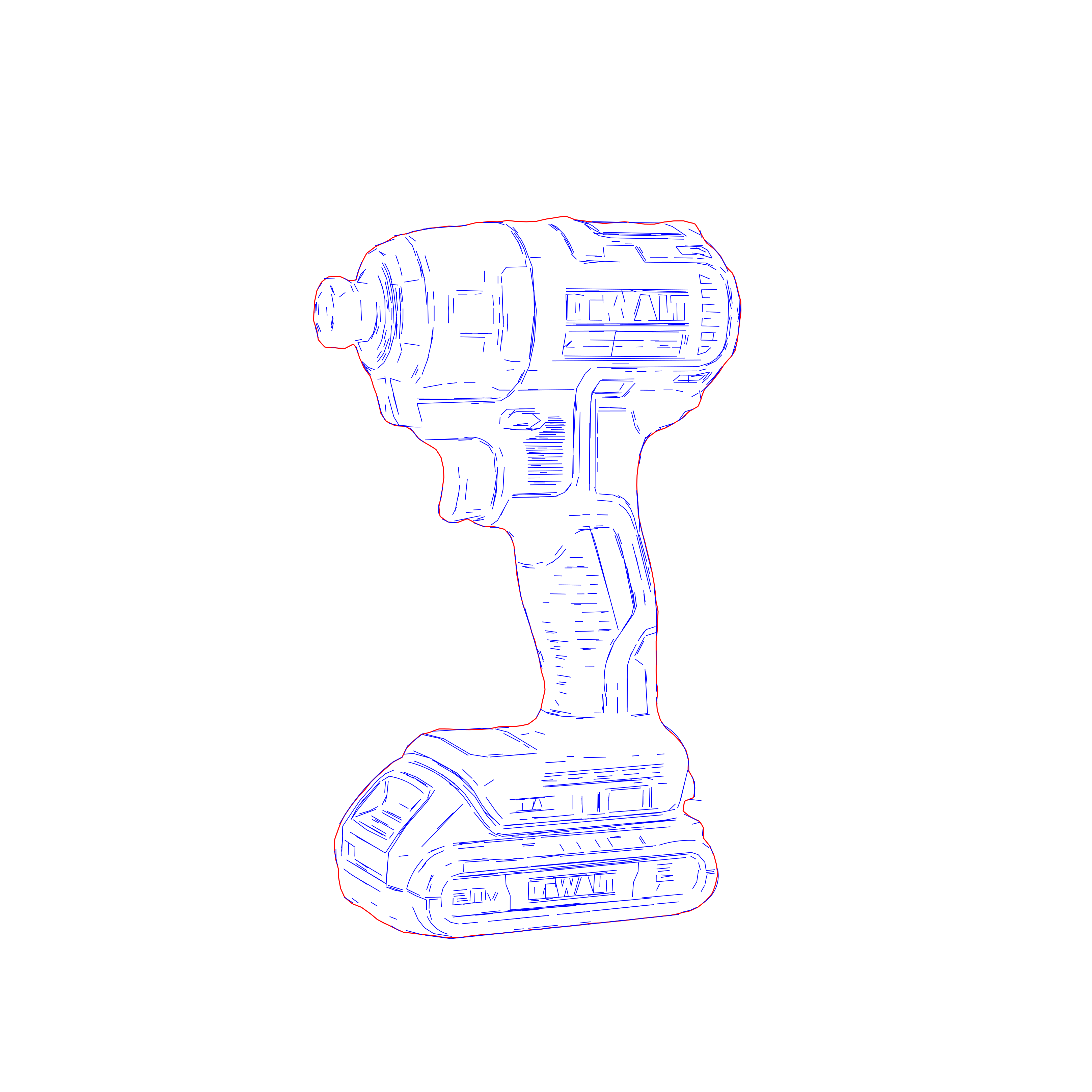
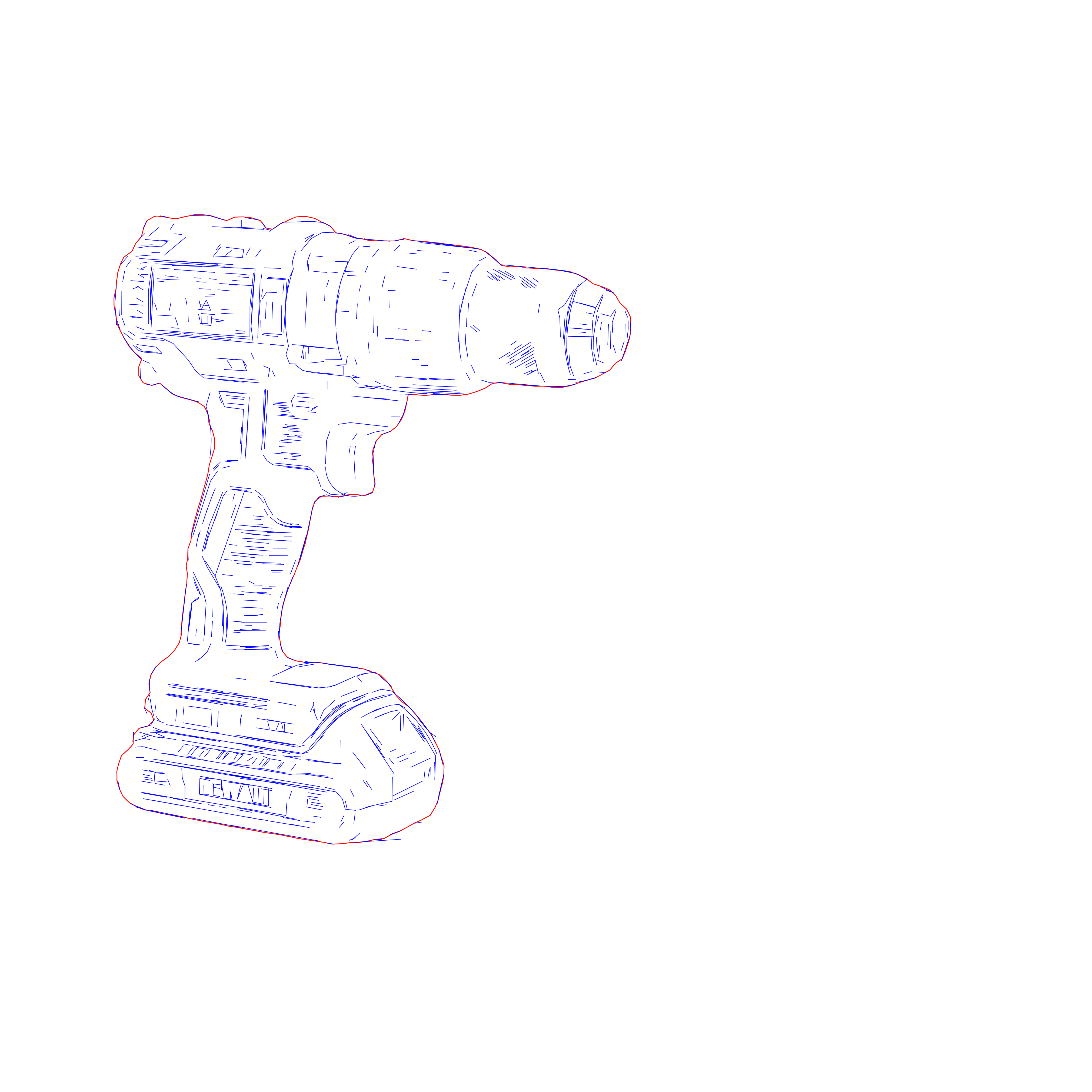
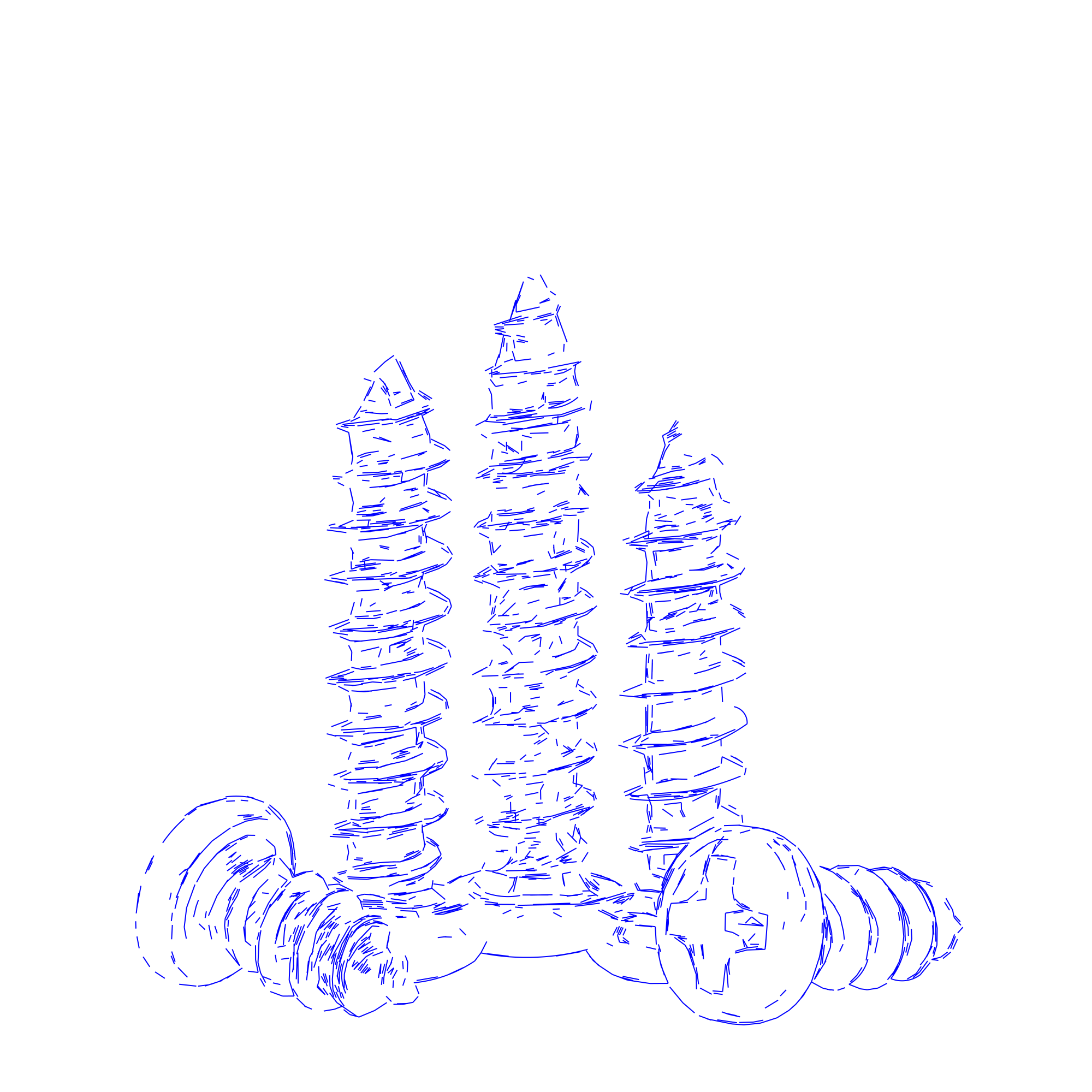
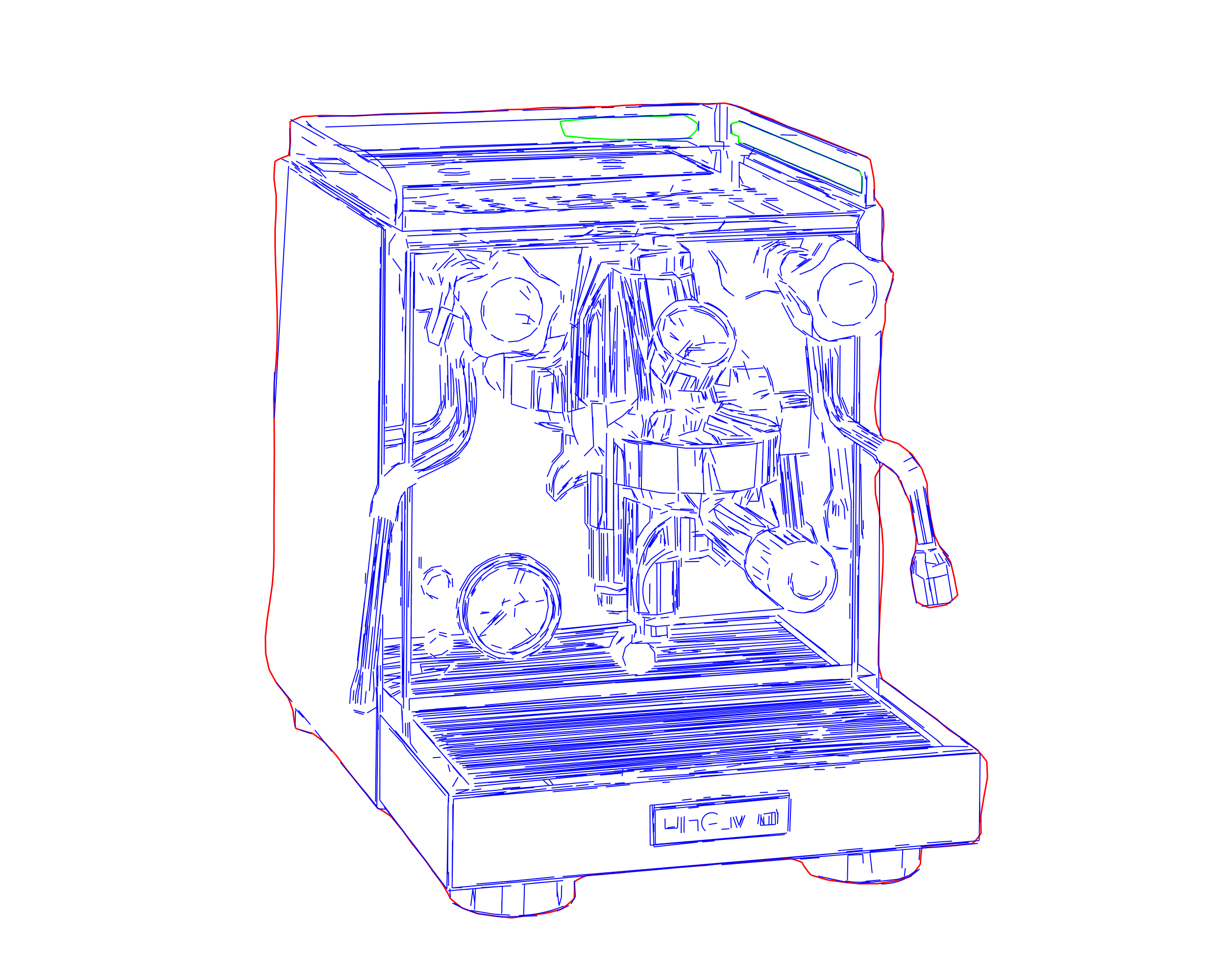
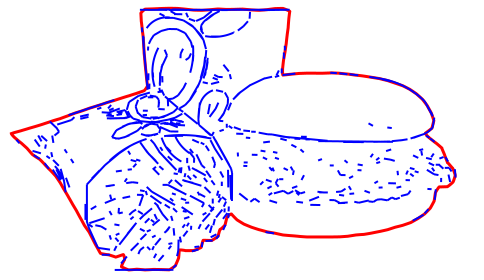
Convert your raster images into clean line-graphic SVG for use in manuals, product graphics, laser engraving, pen plotting, architectural illustration and design workflows. The graphics engine uses deep learning segmentation (neural networks) combined with advanced line detection methods. The output is controlled and consistent line-based geometry for business applications and design workflows.
How it works
- 1
Upload your photo
Drop the photos you want transformed.
- 2
Choose a preset
Pick the illustration style you love.
- 3
Get your rendering
Download the finished rendering in seconds.

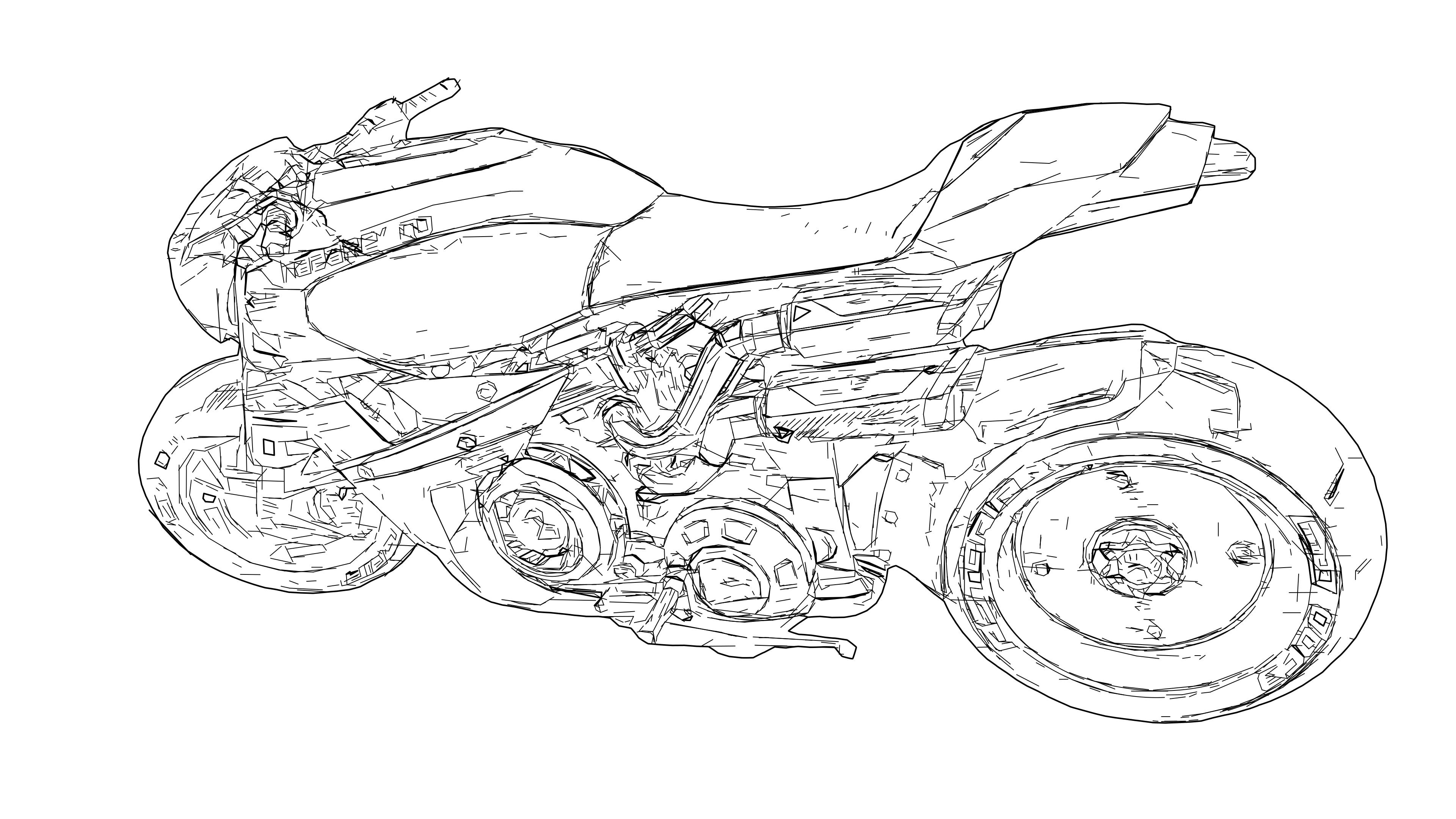
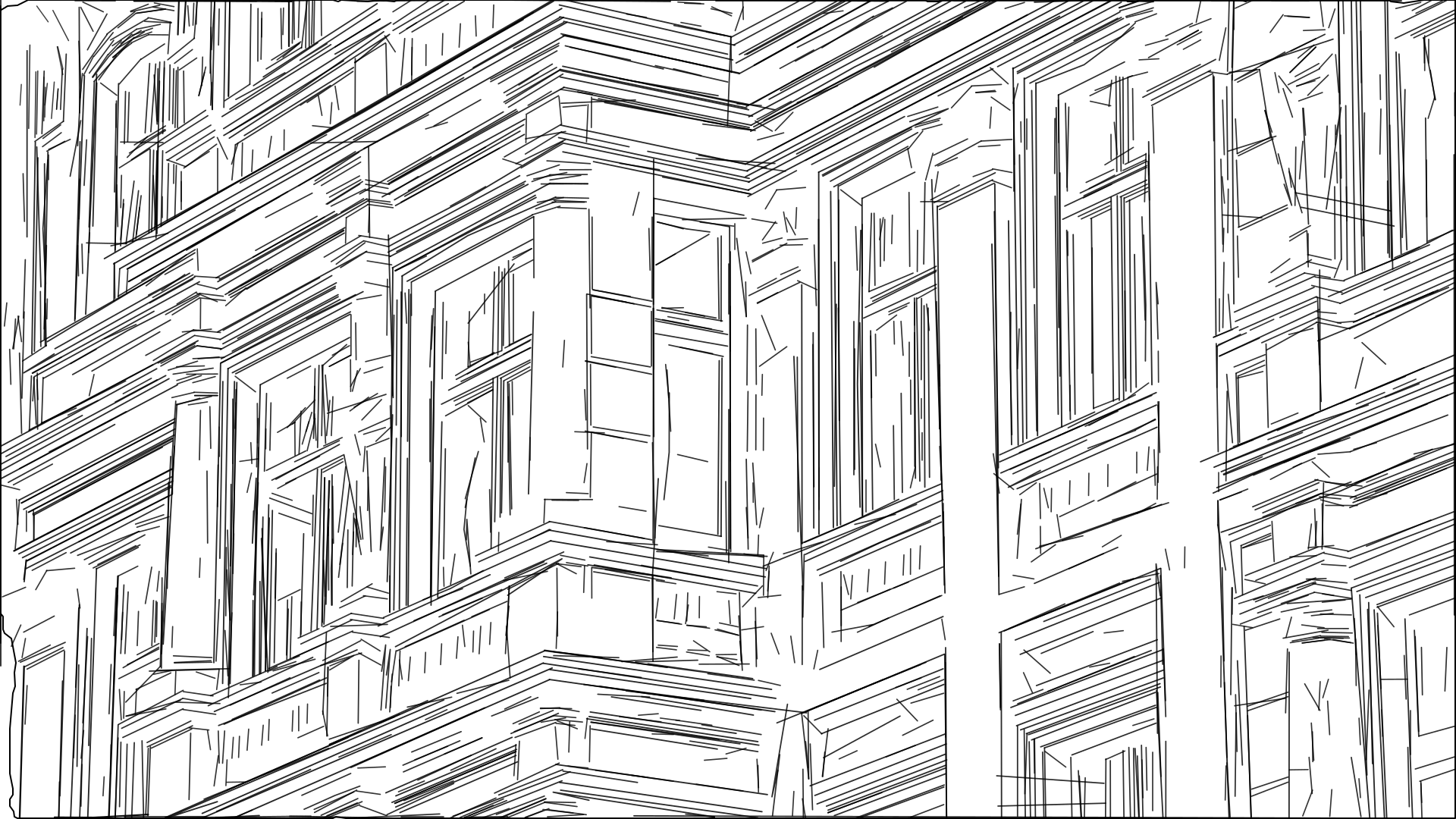
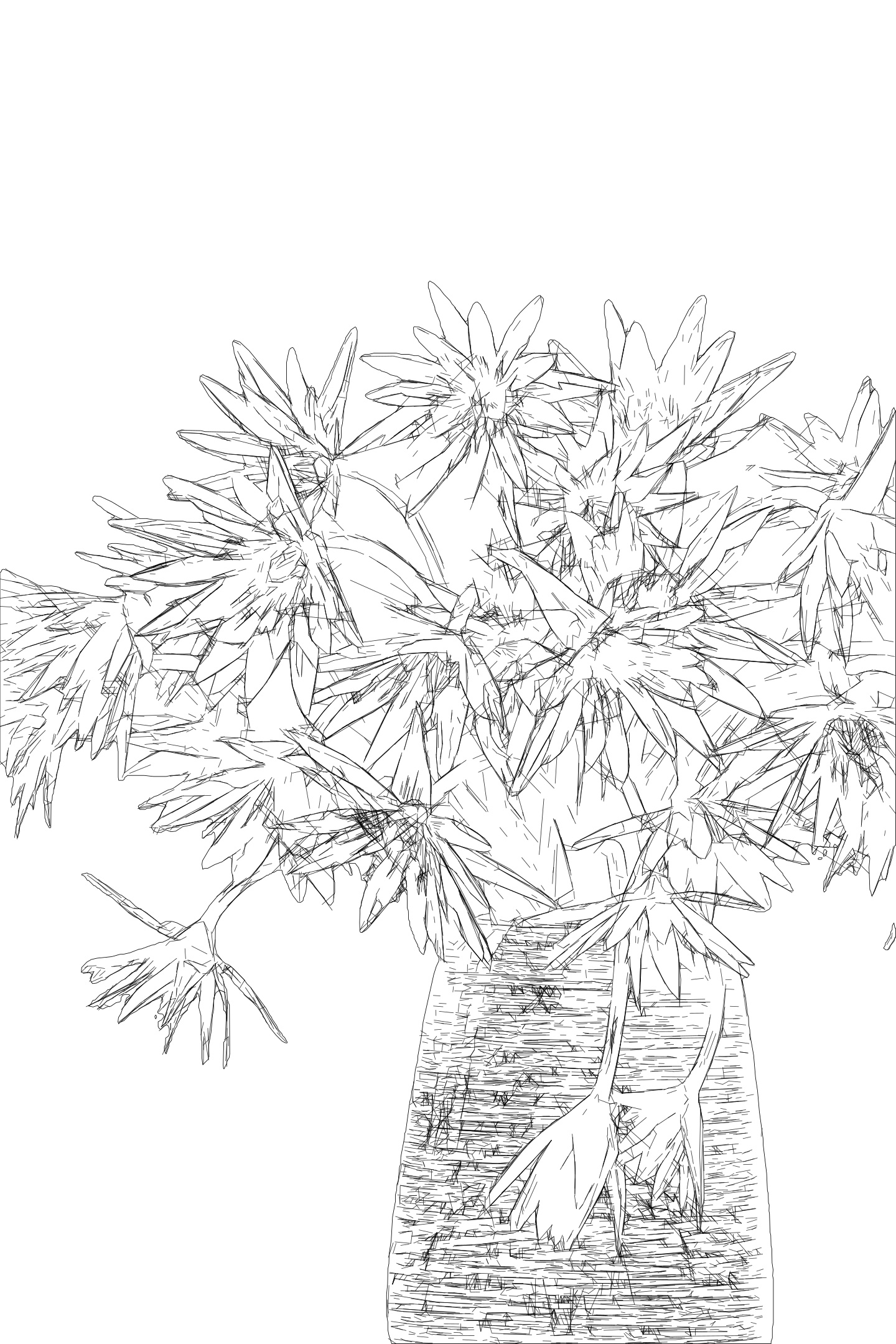
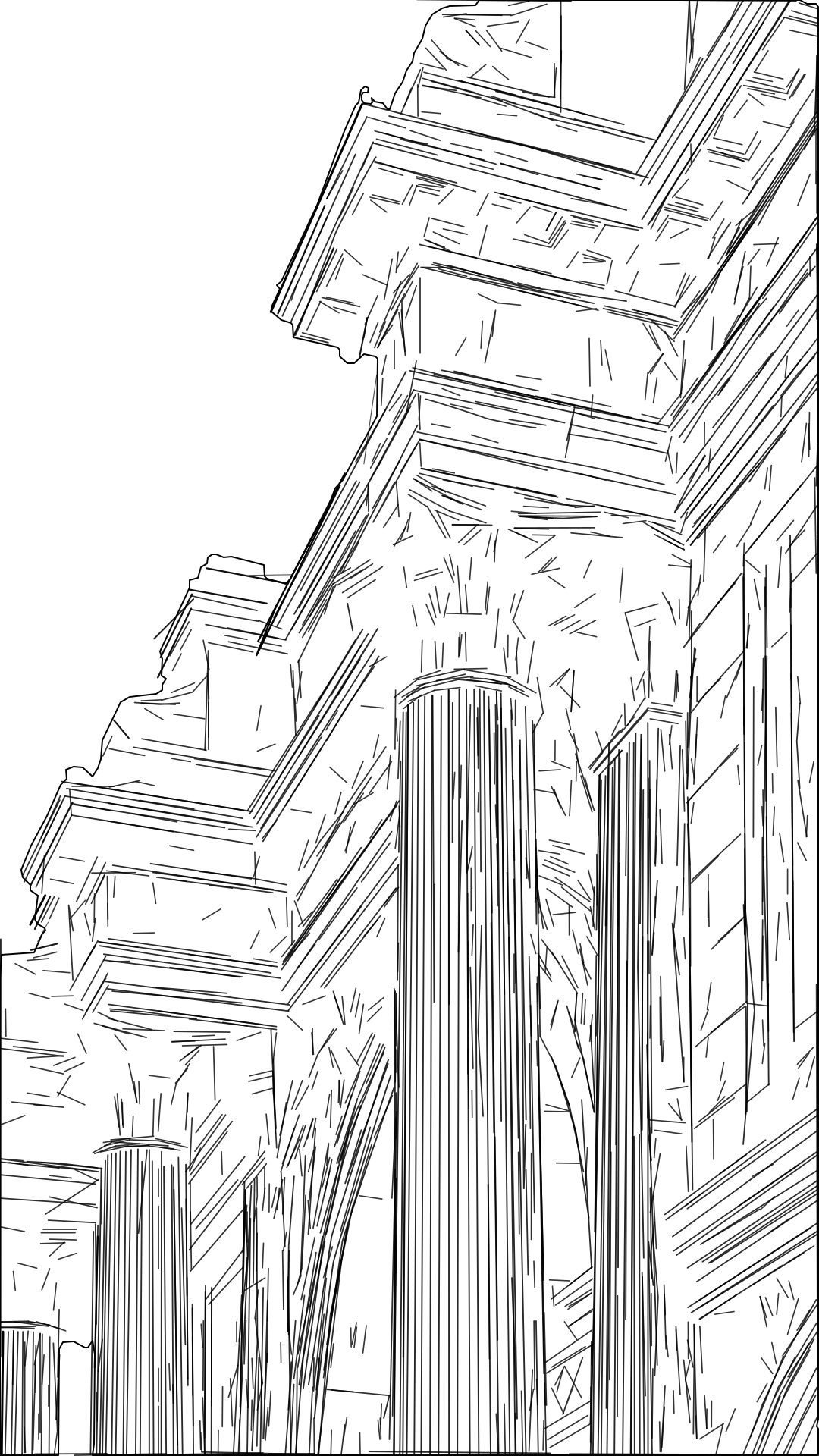
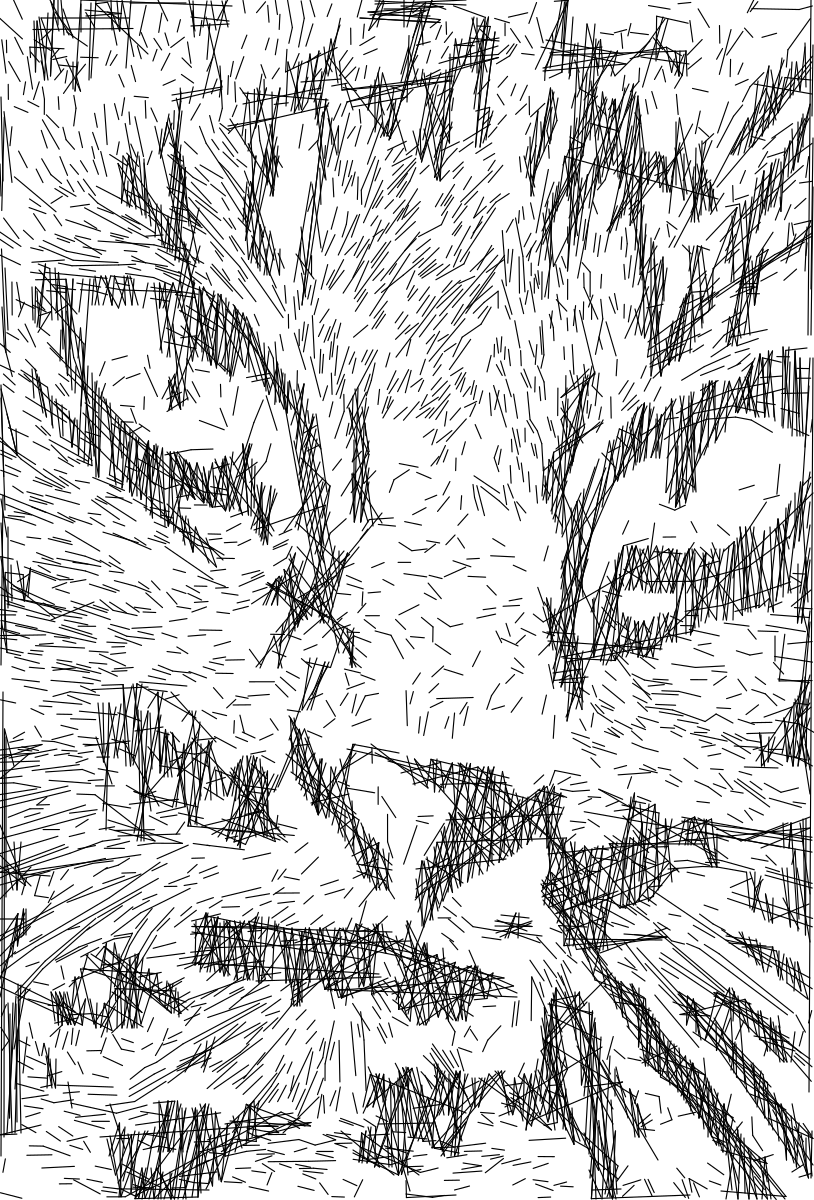
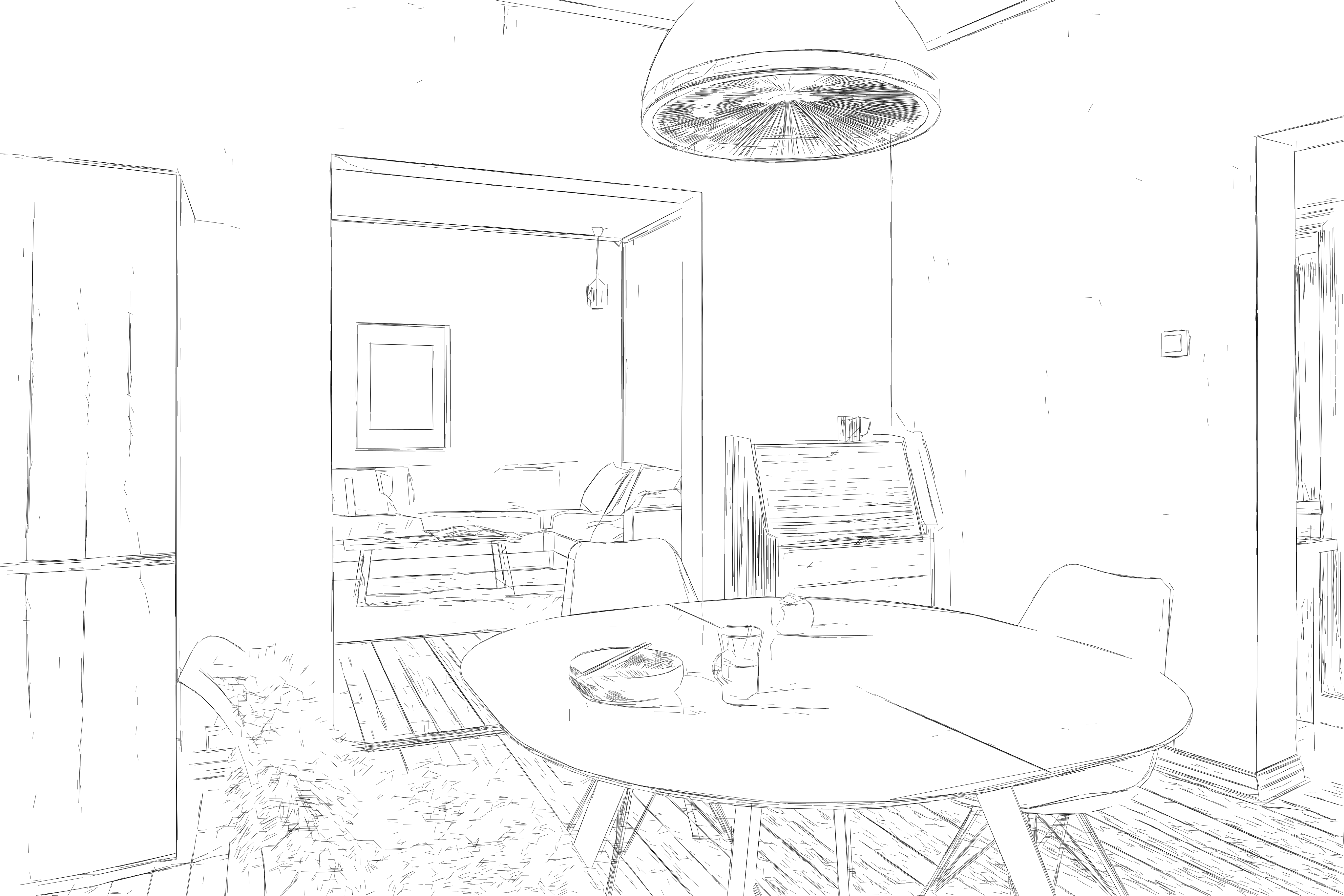
Rendering Examples
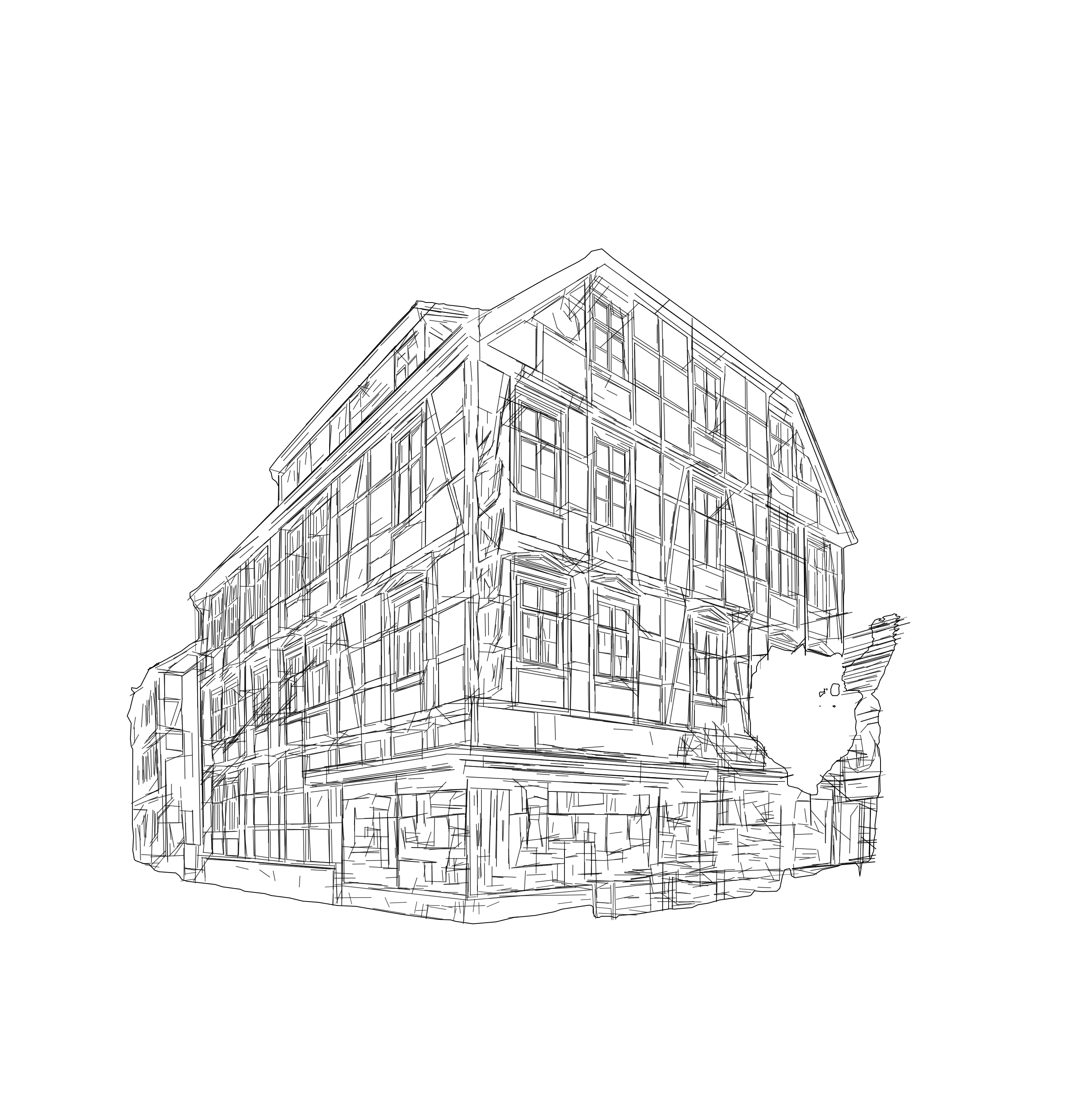
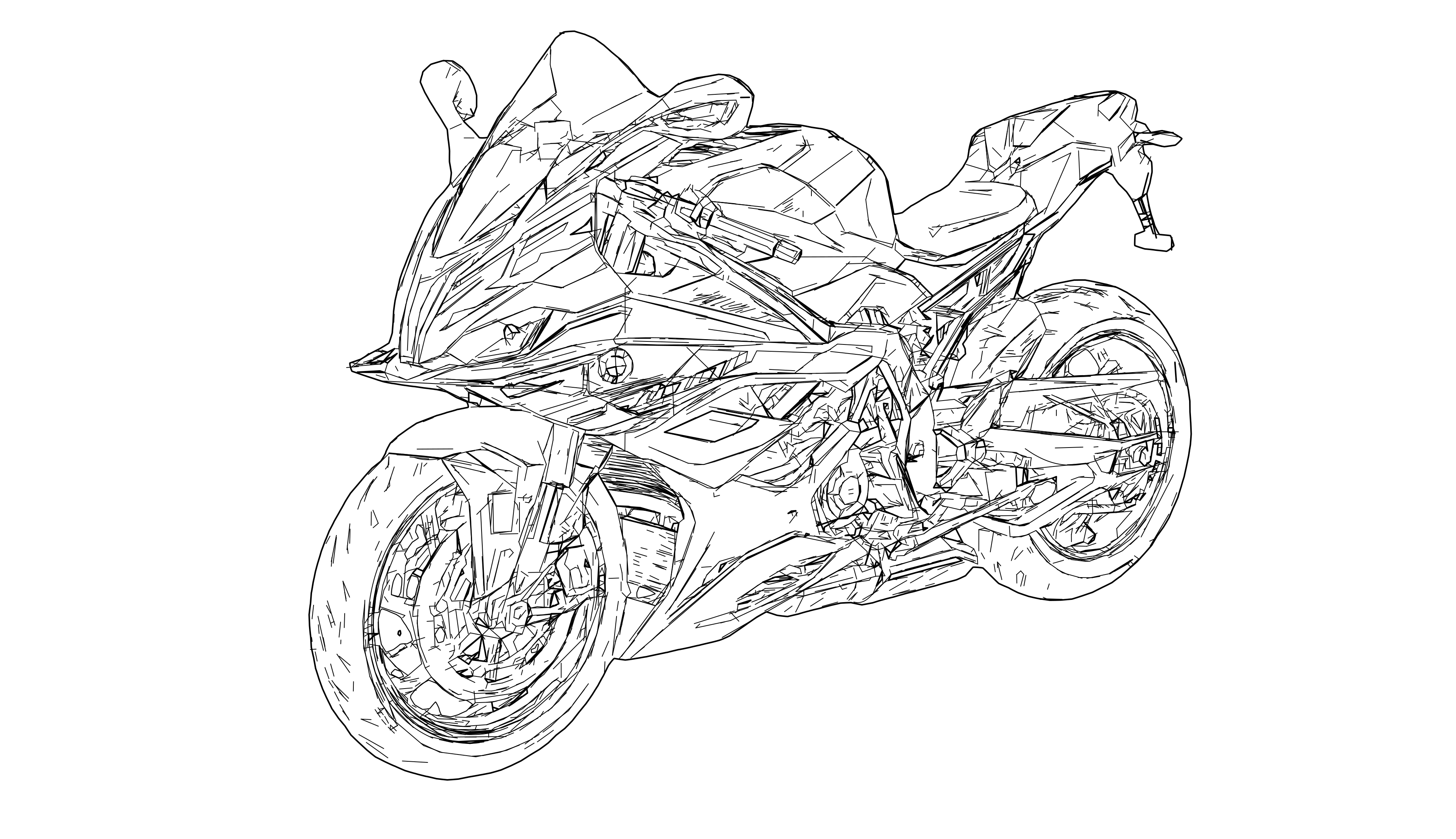
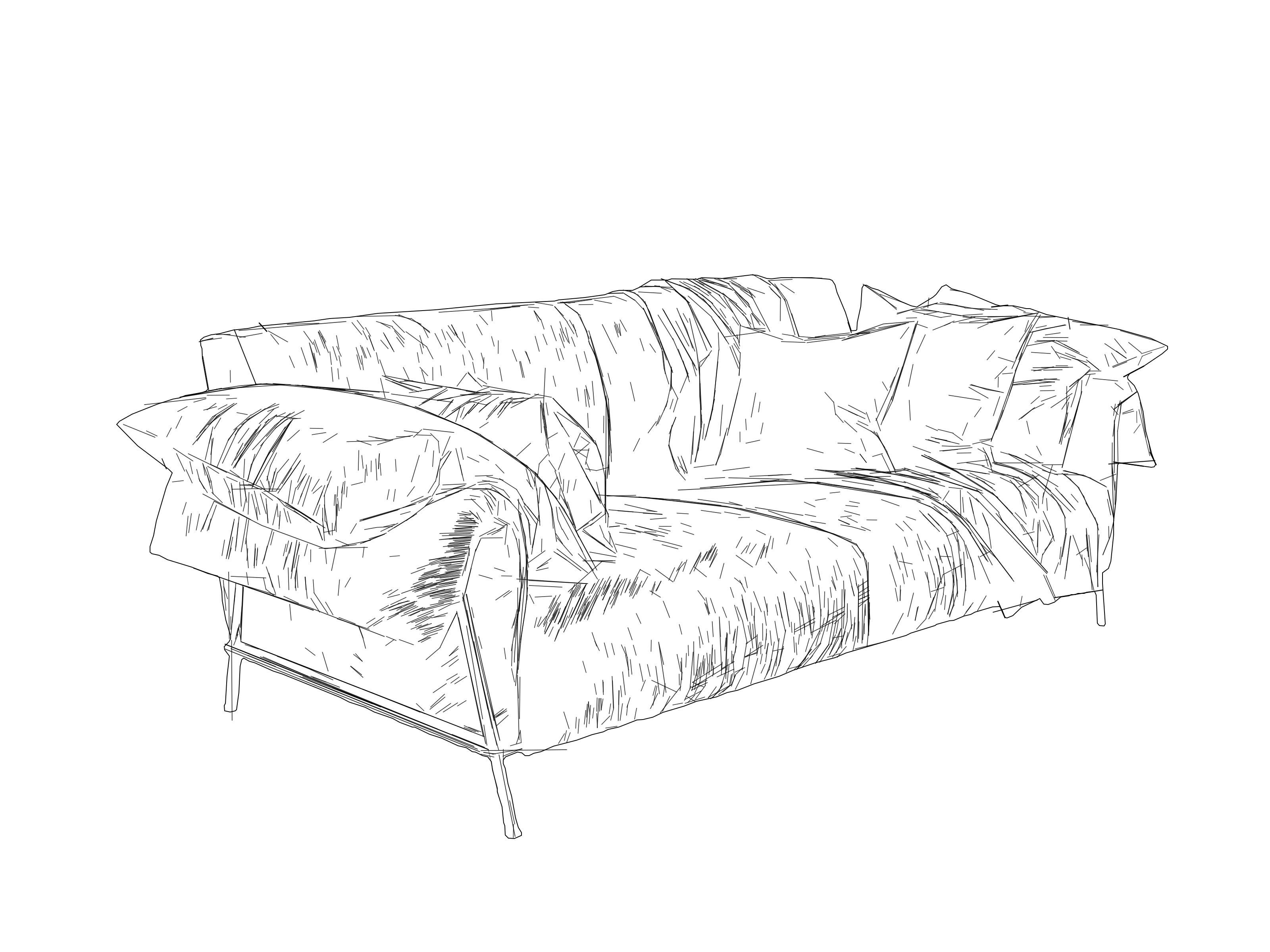
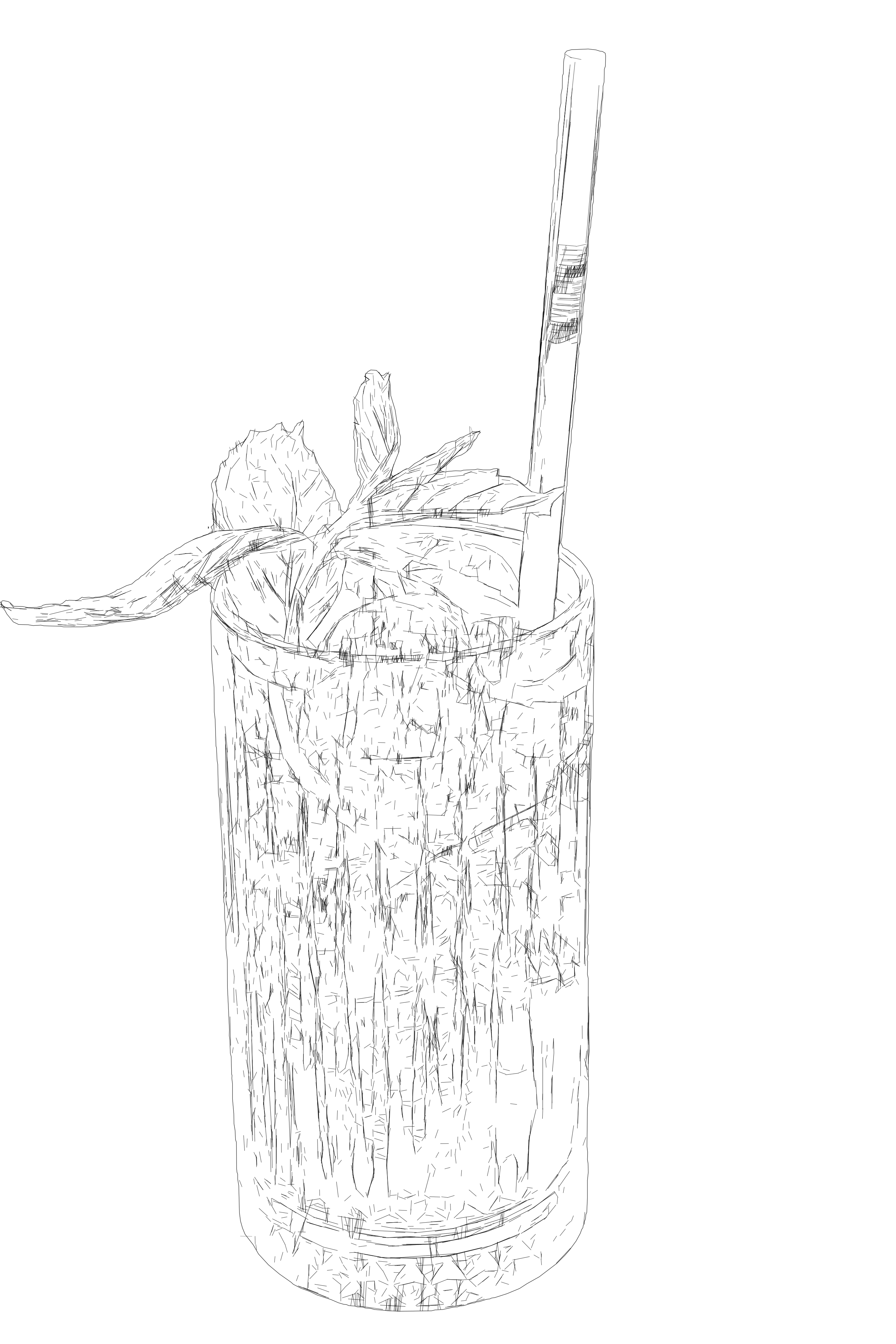
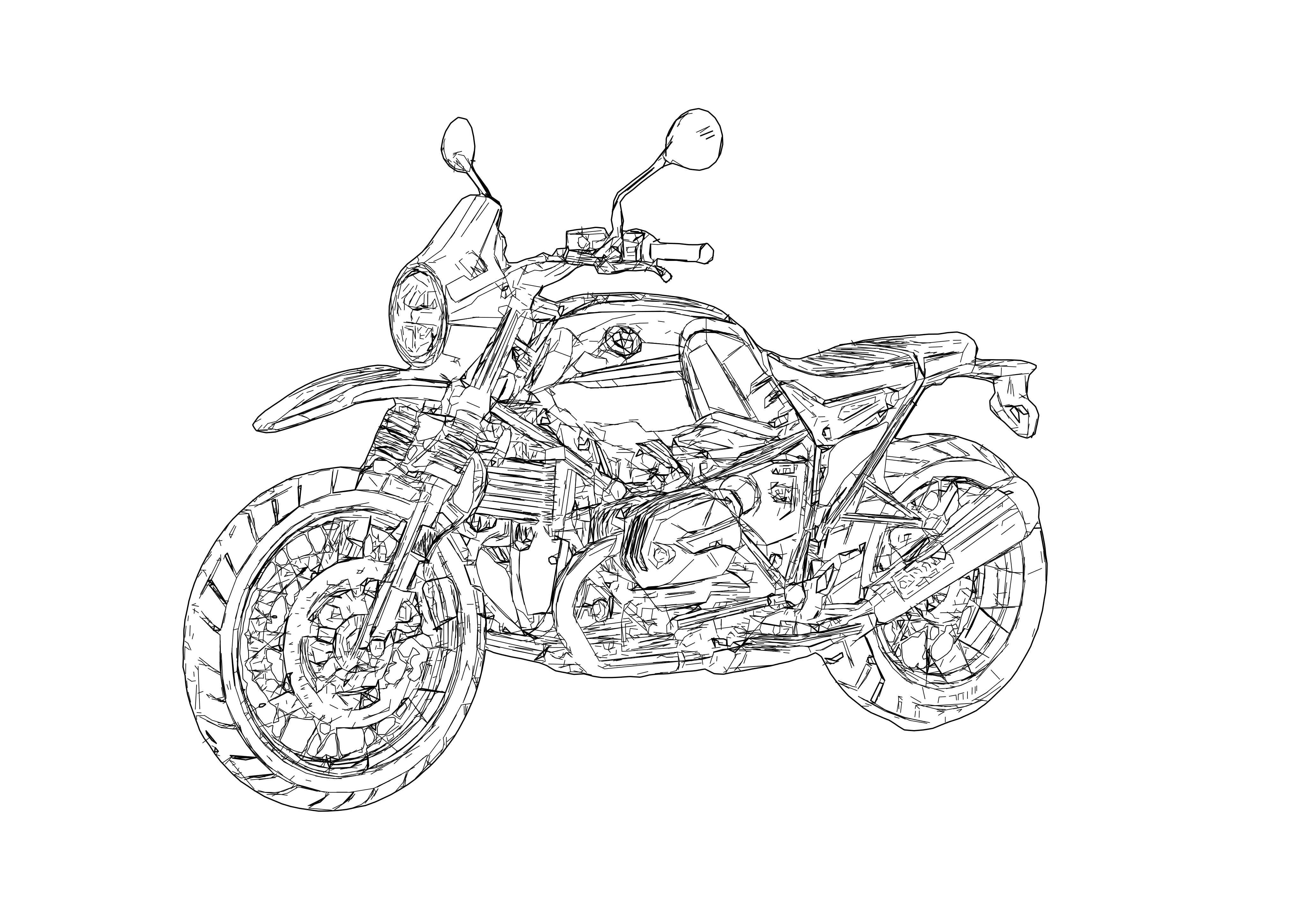
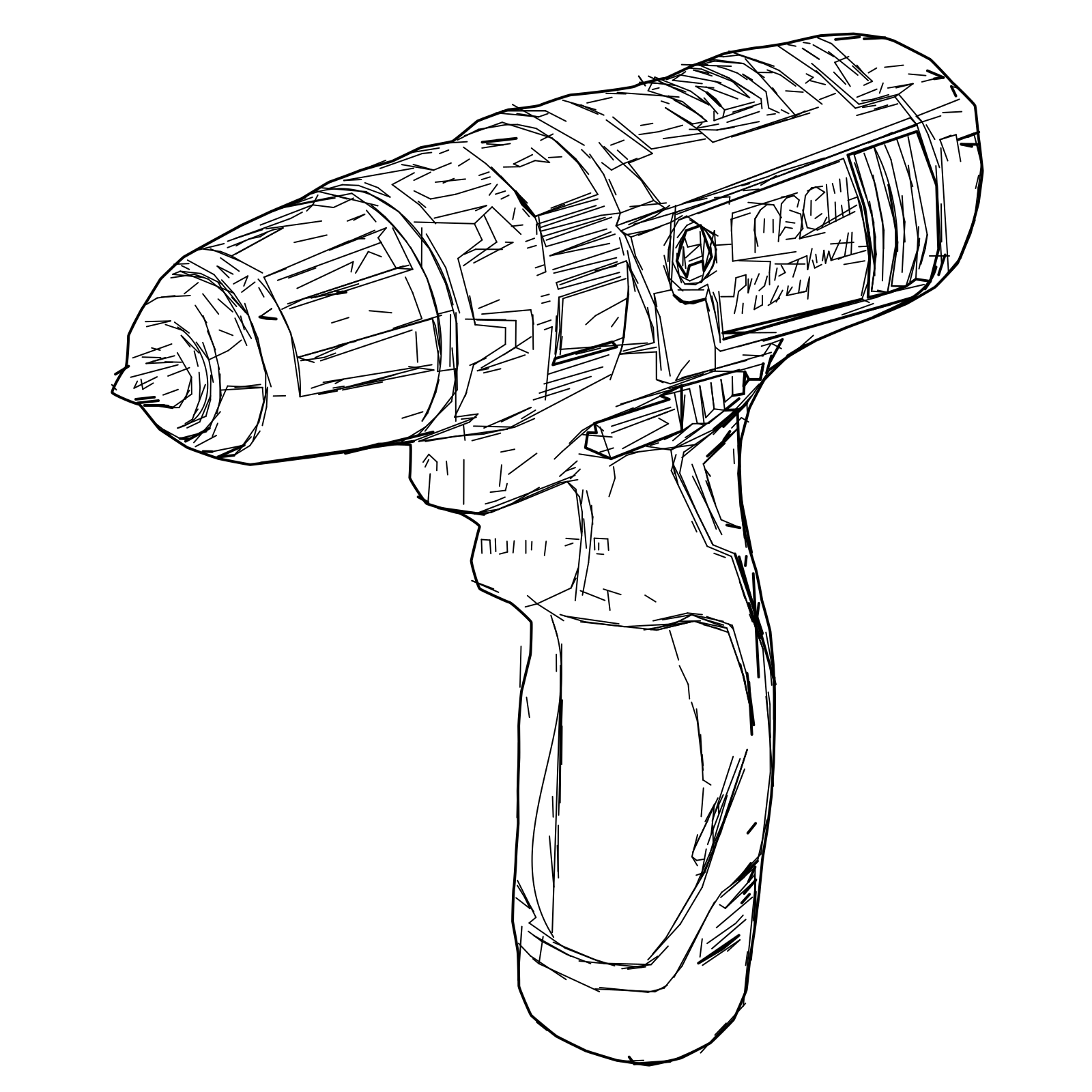
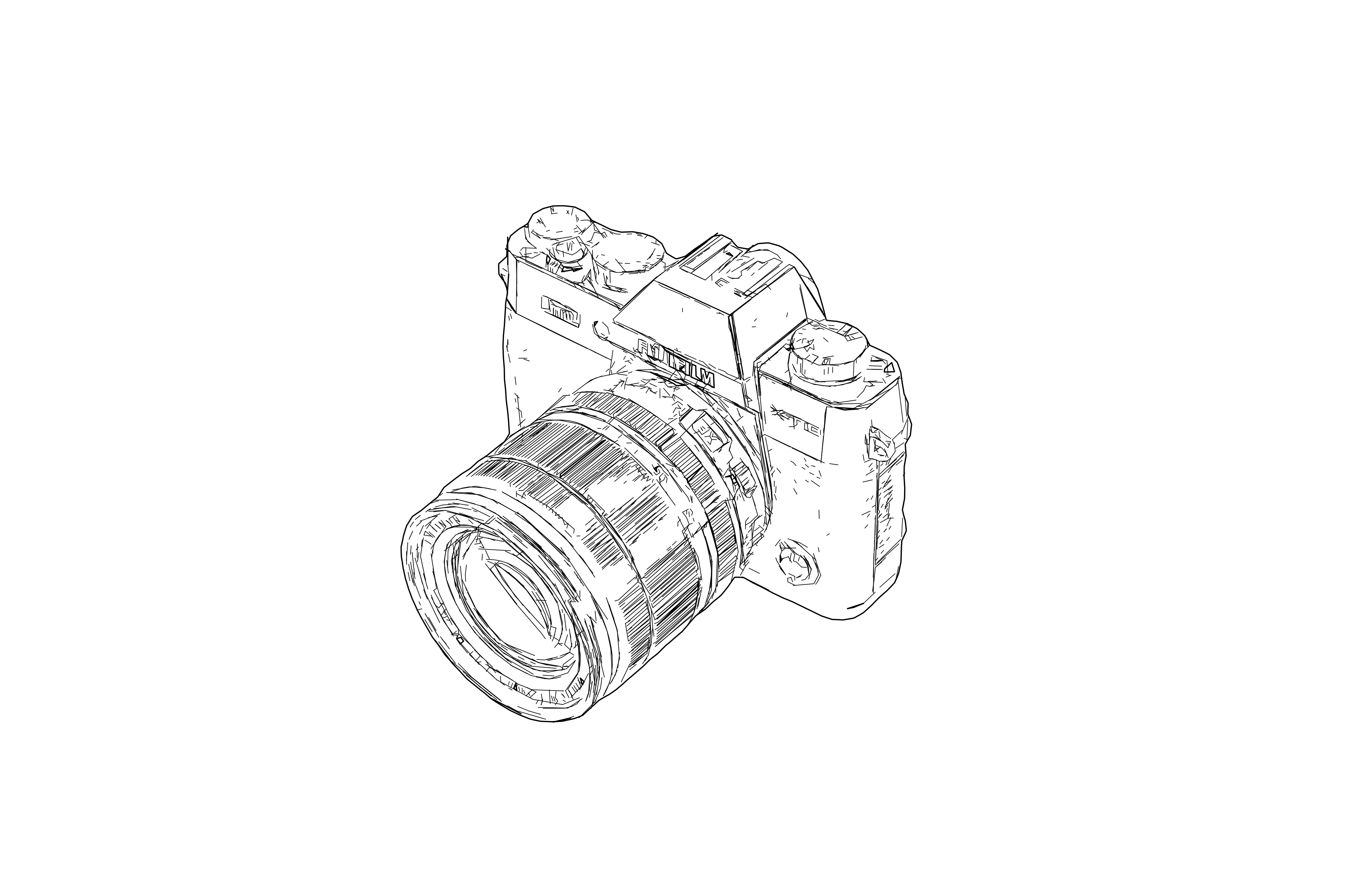
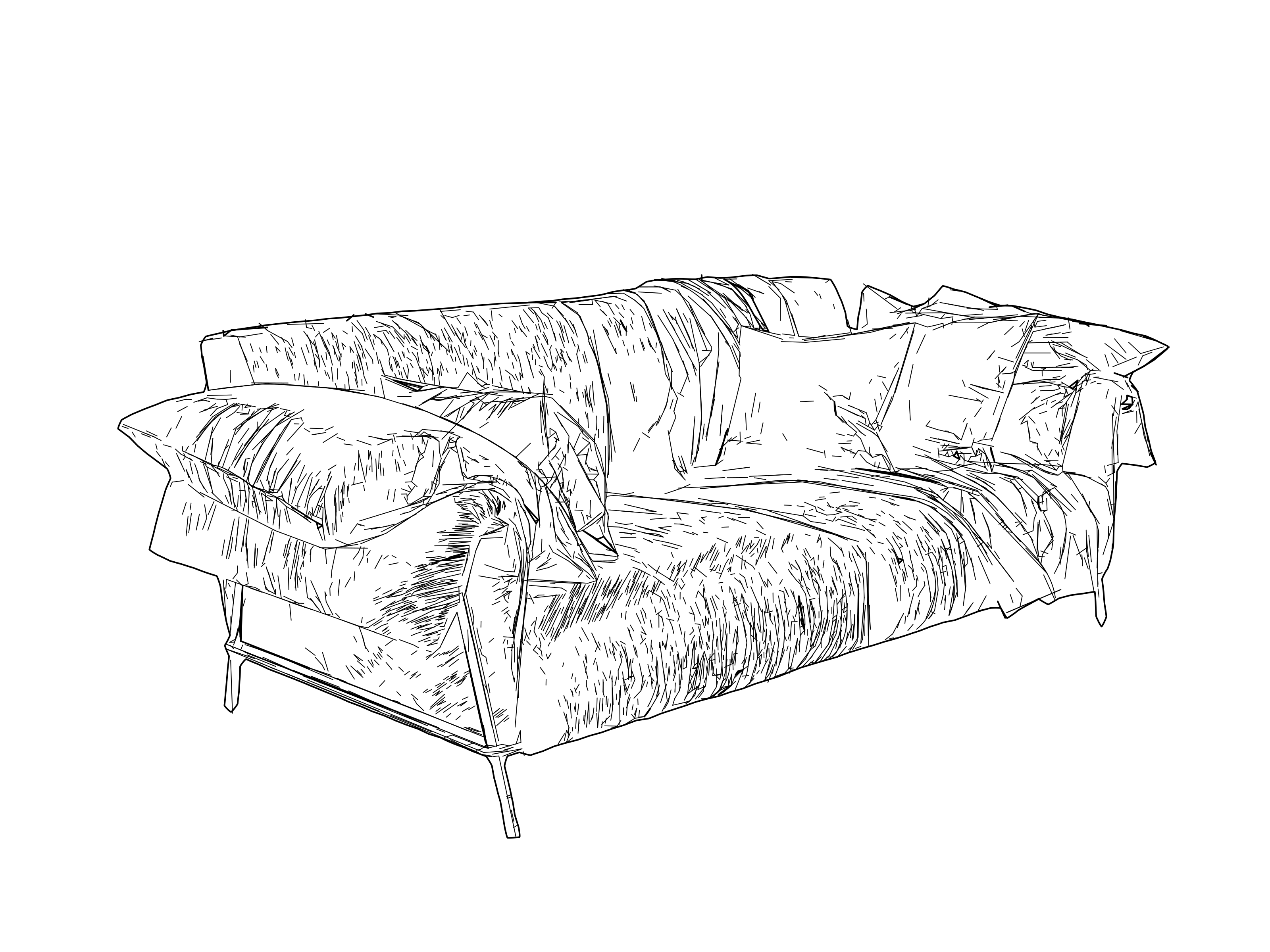
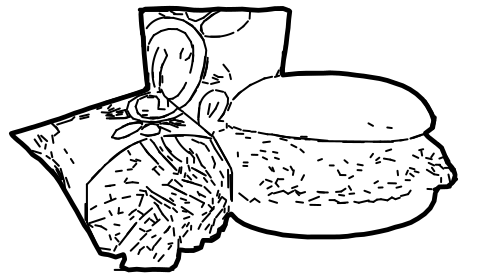
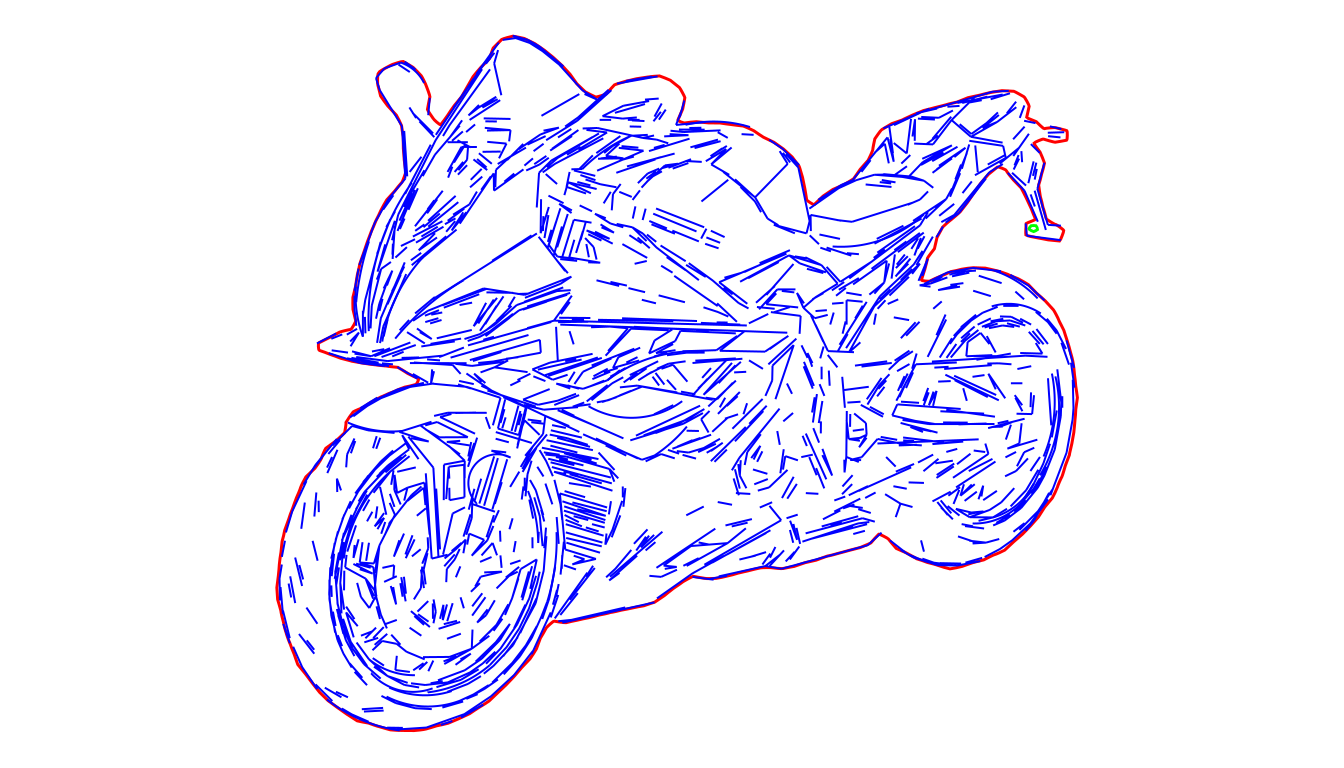
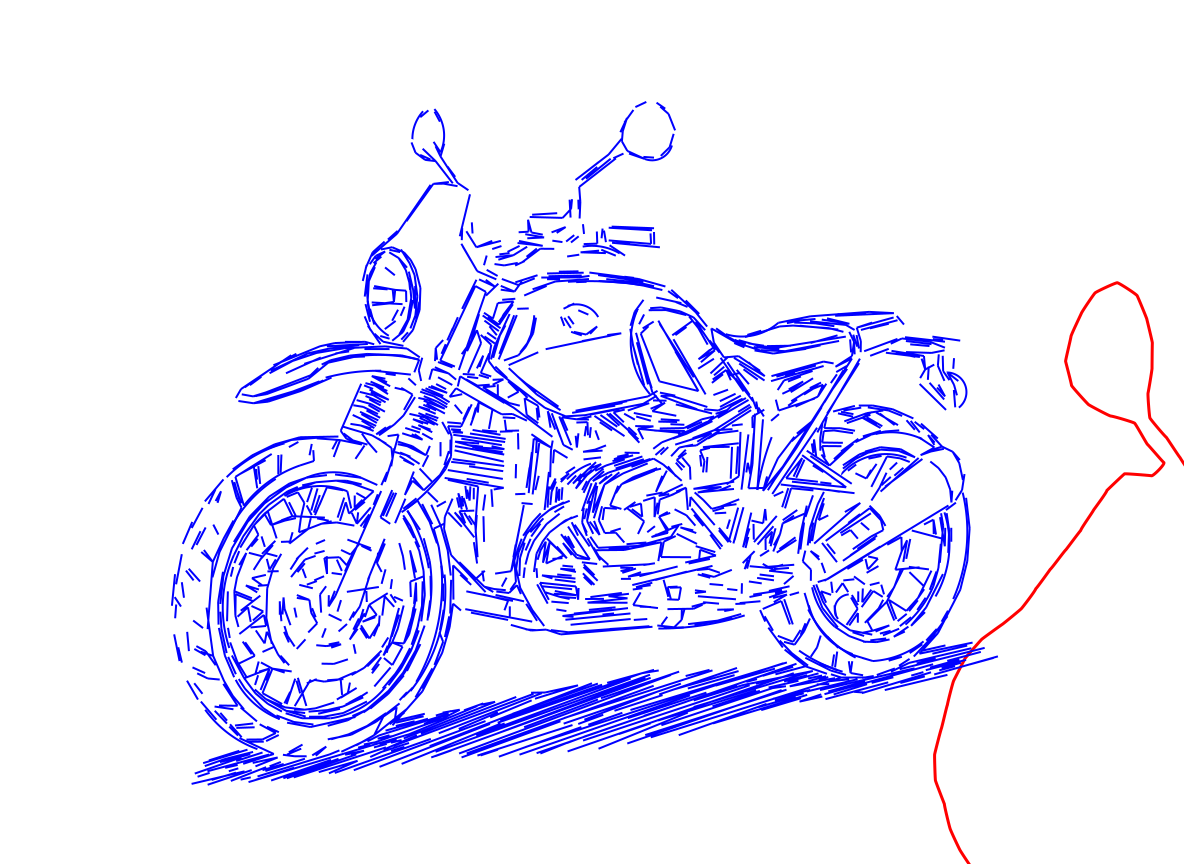
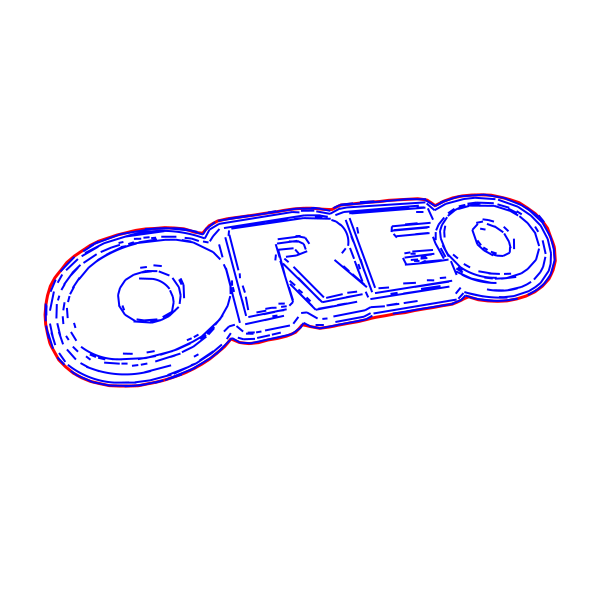
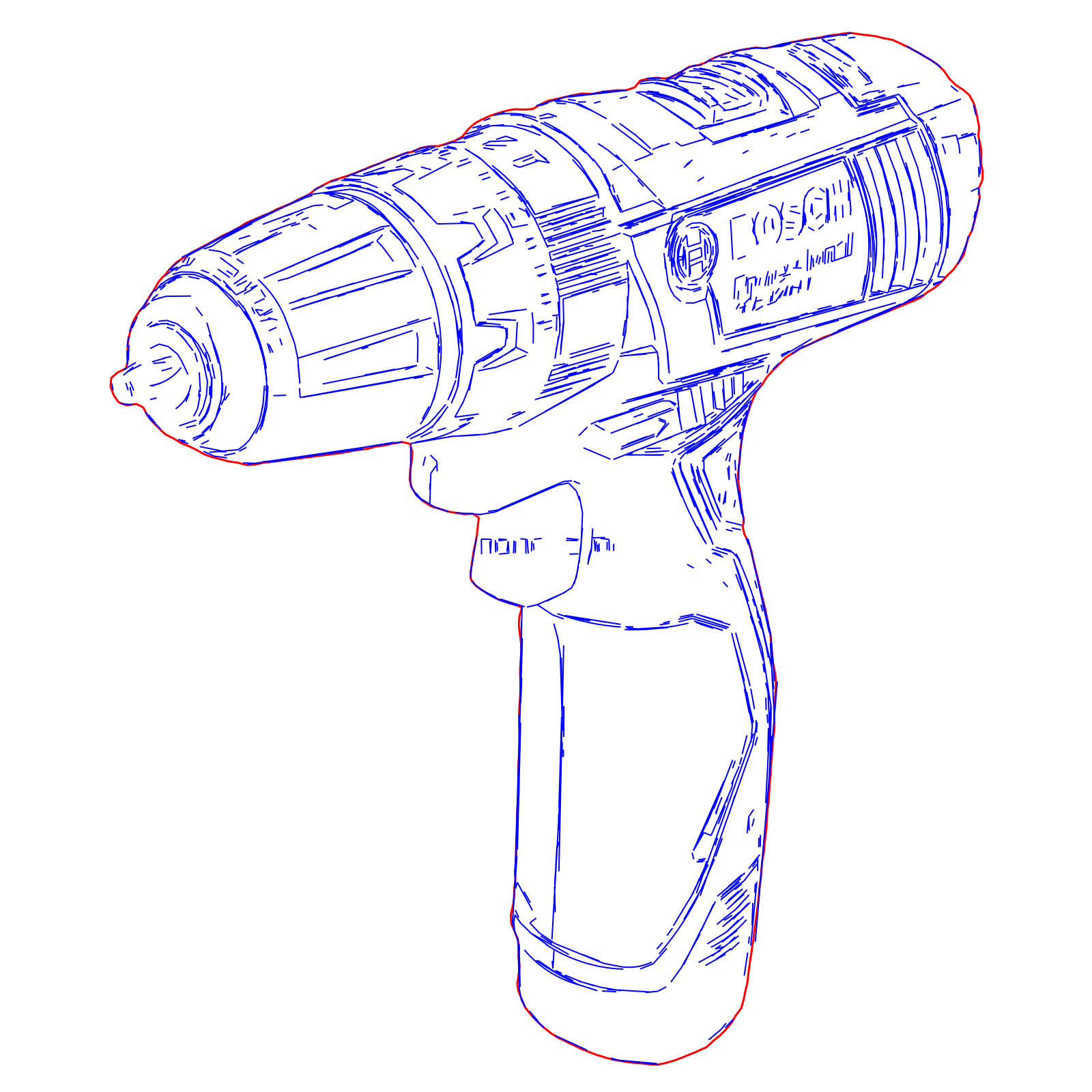
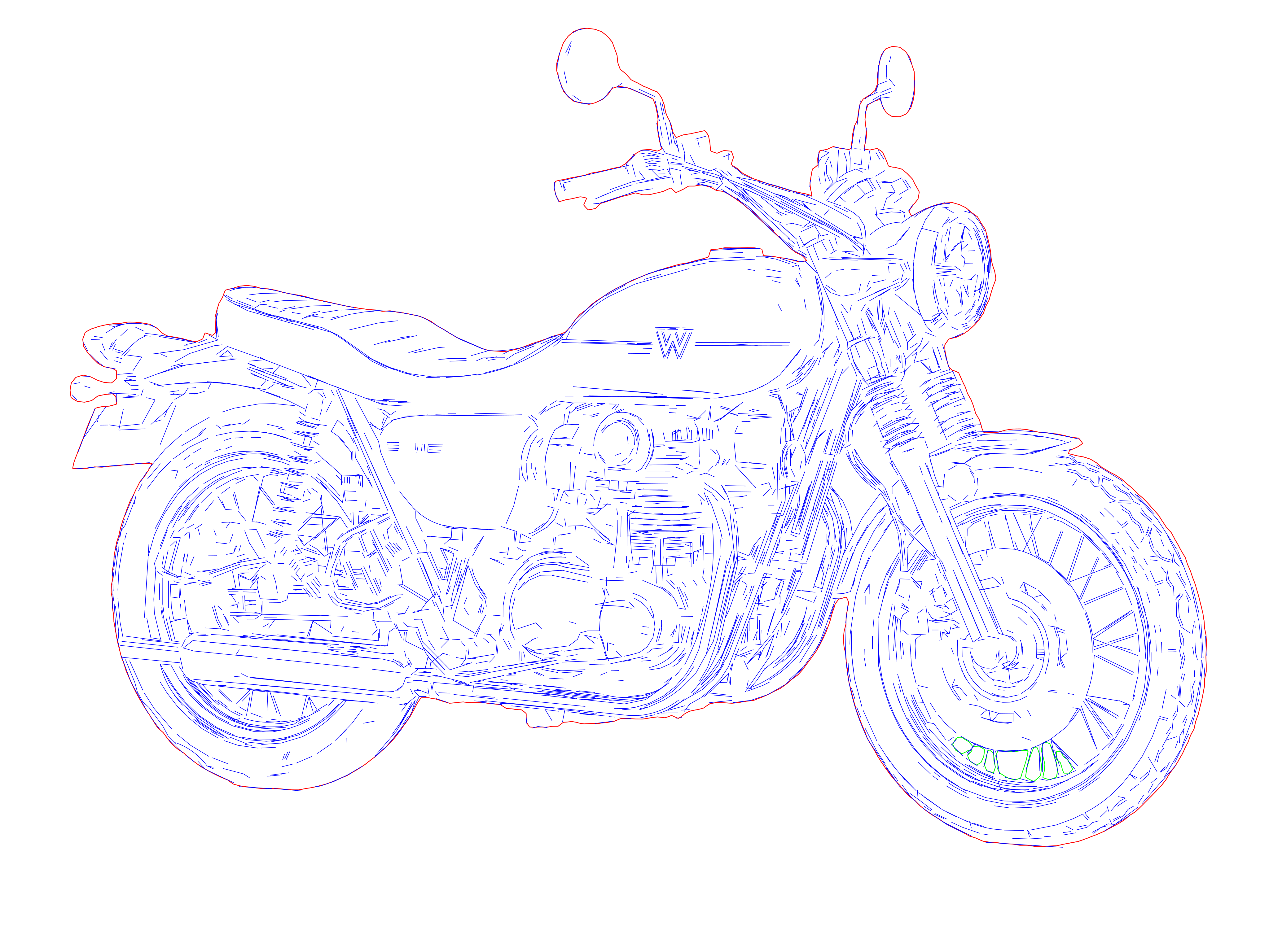
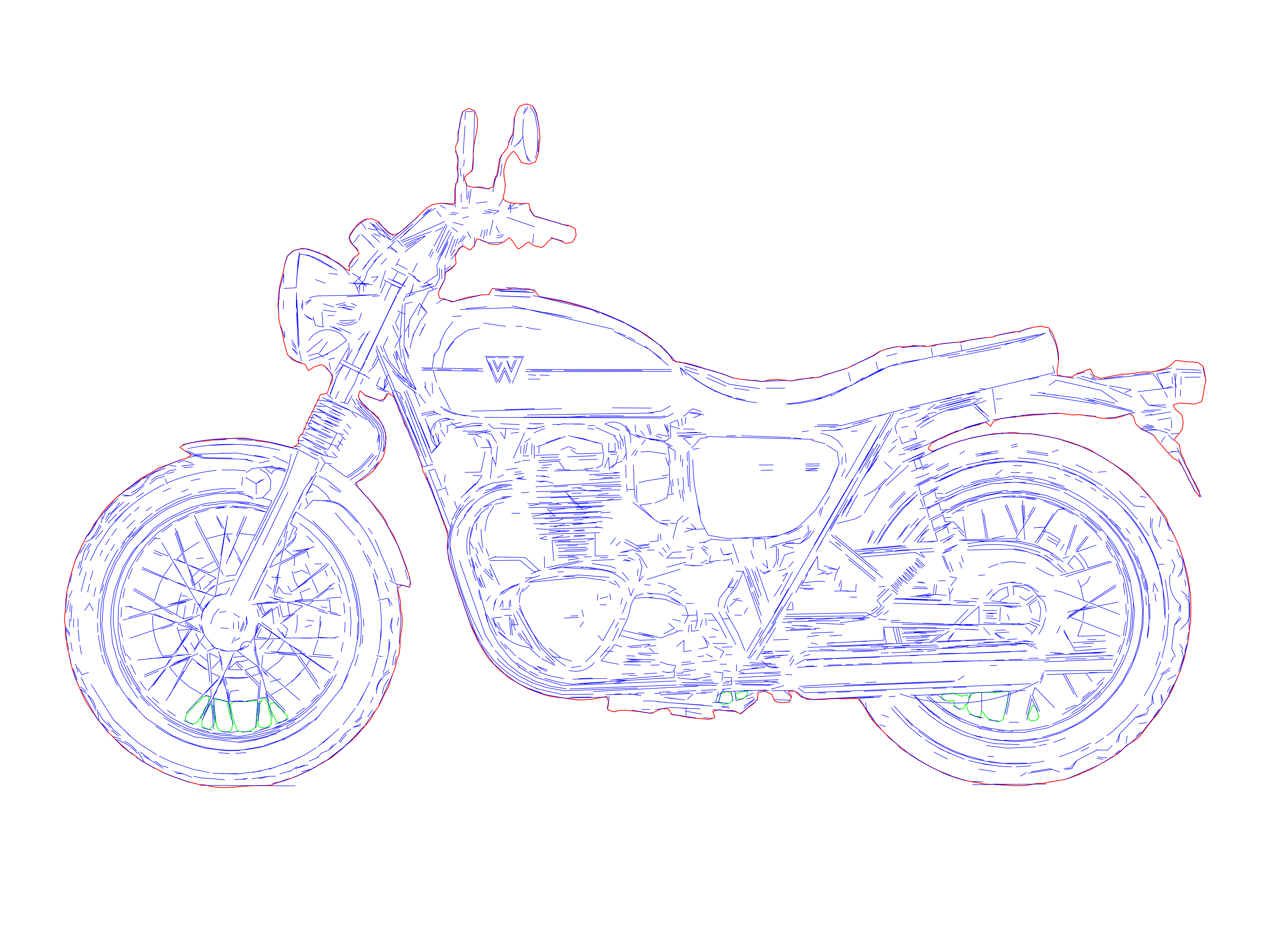
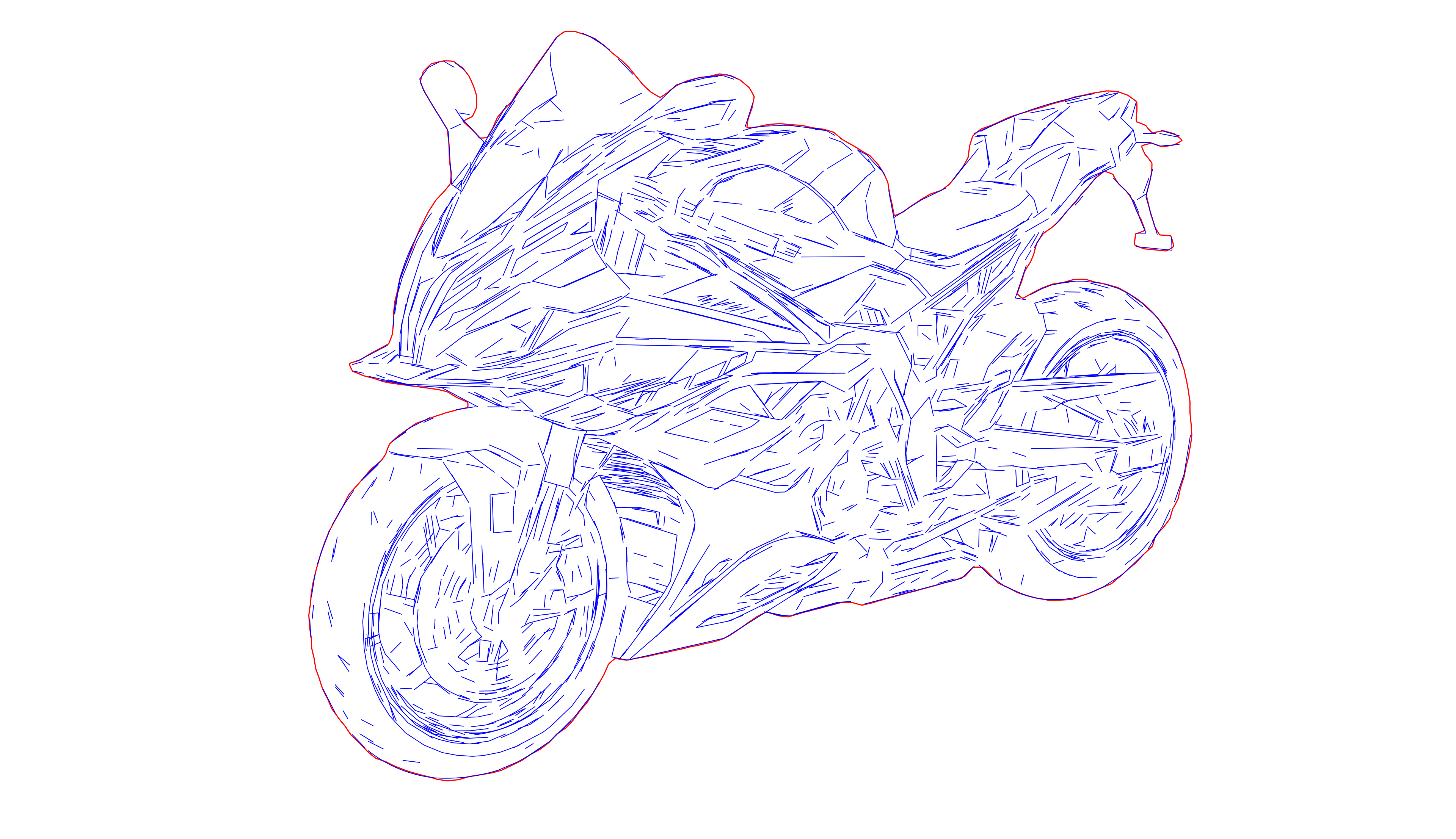
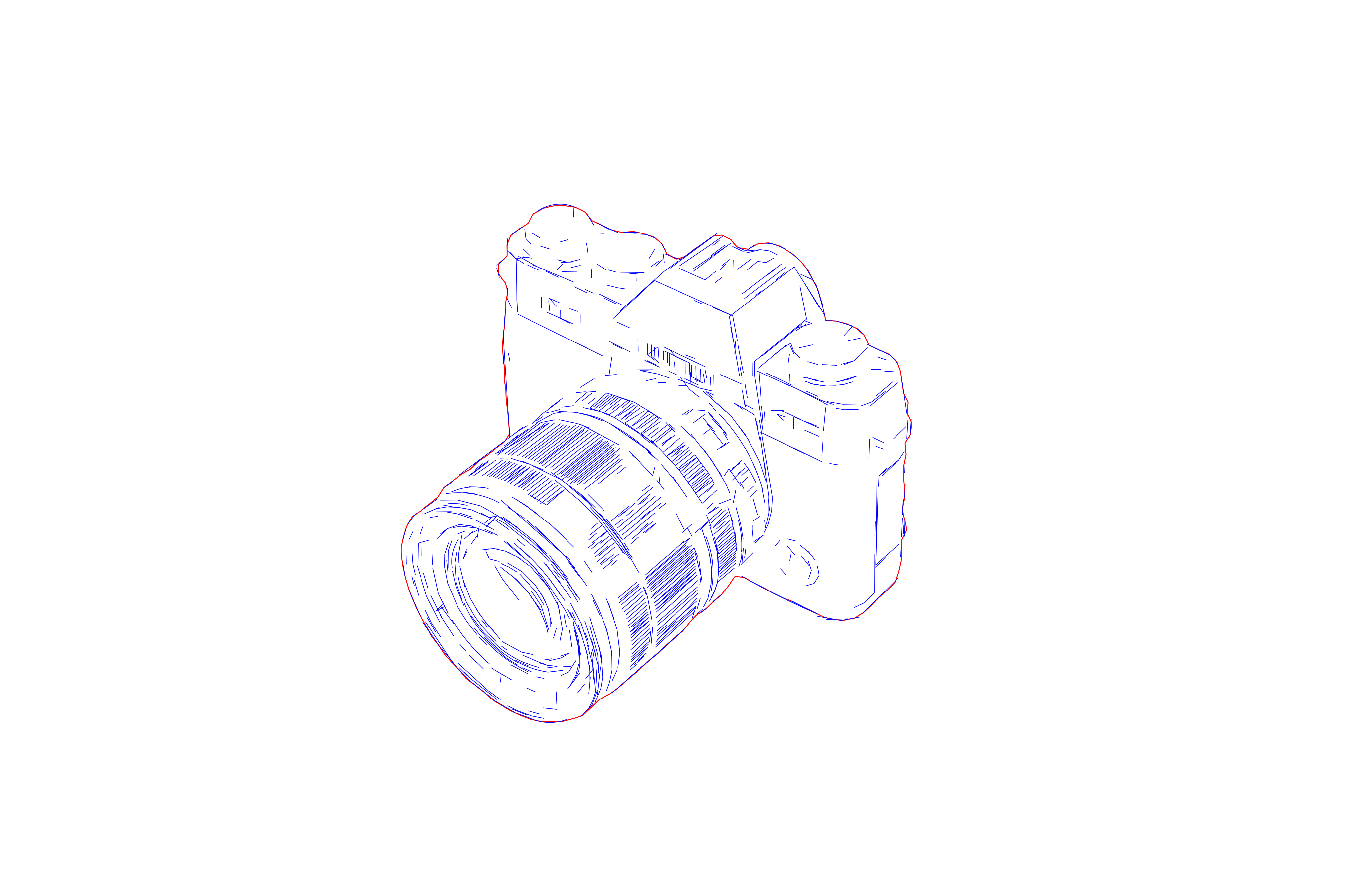
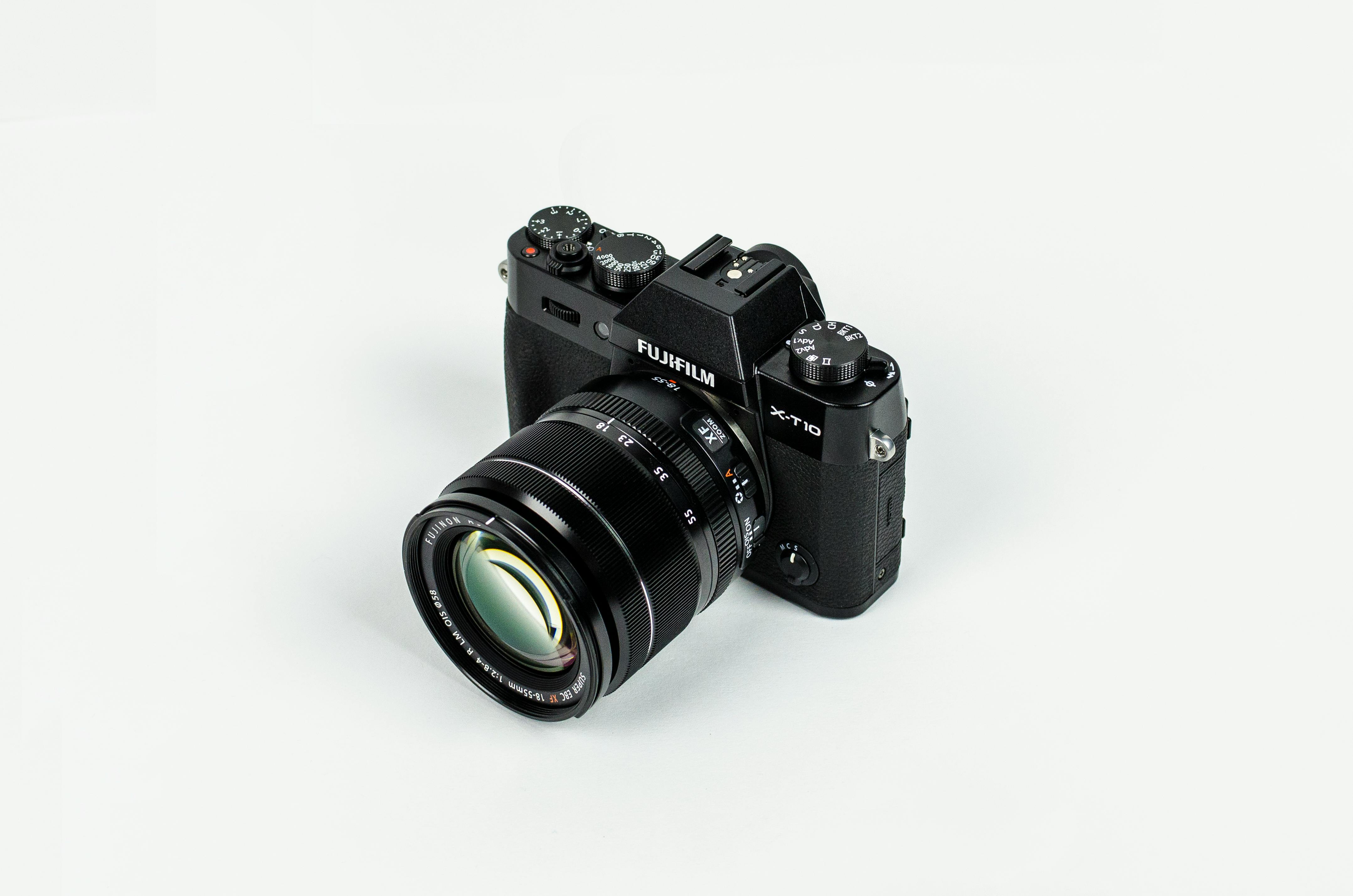
Still questions?
Here you find the answers!
What is Line Graphic Vectorization?
Line Graphic Vectorization produces line-based vector output — a line-graphic SVG built from paths instead of pixels. At Pixel2Lines, it is meant for professional workflows where readable line geometry matters. It is different from full-shape auto-tracing and different from hobby-style photo-to-sketch effects.
What is the difference between credits and previews?
Credits are deducted from your account when generating the final file. Previews are charged for preview generations because some presets require long computation times and often need the full calculation even to produce a preview image; therefore, preview generation is limited.
Can I use the SVG output directly with laser software like LightBurn or RDWorks?
Yes. The laser engraving presets produce multi-layer SVG files that are directly compatible with LightBurn, RDWorks, and LaserGRBL. Each layer corresponds to a different engraving depth or pass, so you can import the file into your laser software and start engraving without additional file preparation.
What resolution should my input file have?
Ideally upload your file to the workspace at a resolution between 2000 and 3000 pixels. Each rendering functionality is different, so we ensure in the background that your input image will be ideal for processing. We automatically scale prepare you input image as best we can.
Do you offer individual support and preset development?
Yes. We support you with preset configuration requests and are happy to help with any questions.
What output file formats does Pixel2Lines support?
Pixel2Lines outputs SVG (Scalable Vector Graphics), DXF (for CAD and CNC workflows), EPS, and PDF. SVG is the primary format for laser engraving and web use; DXF is ideal for CAD software, CNC machines, and embroidery workflows. Available formats depend on the selected preset.
How quickly will I receive the results?
Processing time depends on many factors such as the preset type, the input file resolution, the level of detail in the source image, and more. Some high-detail presets can take 5–10 minutes. Complex calculations and many optimizations are required to achieve the best results.
What if I am not satisfied with the quality of my result?
We welcome your feedback and in case the rendering result is not usable as promised we will provide a refund for the credits. Please send the failed rendering with a short description to support@pixel2lines.com and request the refund.